Dental tourism in Turkey has swiftly emerged as a global center for individuals seeking top-notch dental care at a fraction of Western costs. As Turkey enhances its reputation in this domain, understanding current trends, advantages, and the patient experience is crucial for potential medical tourists. This article explores the promising prospects for dental tourism in Turkey, focusing on modern facilities and cultural allure,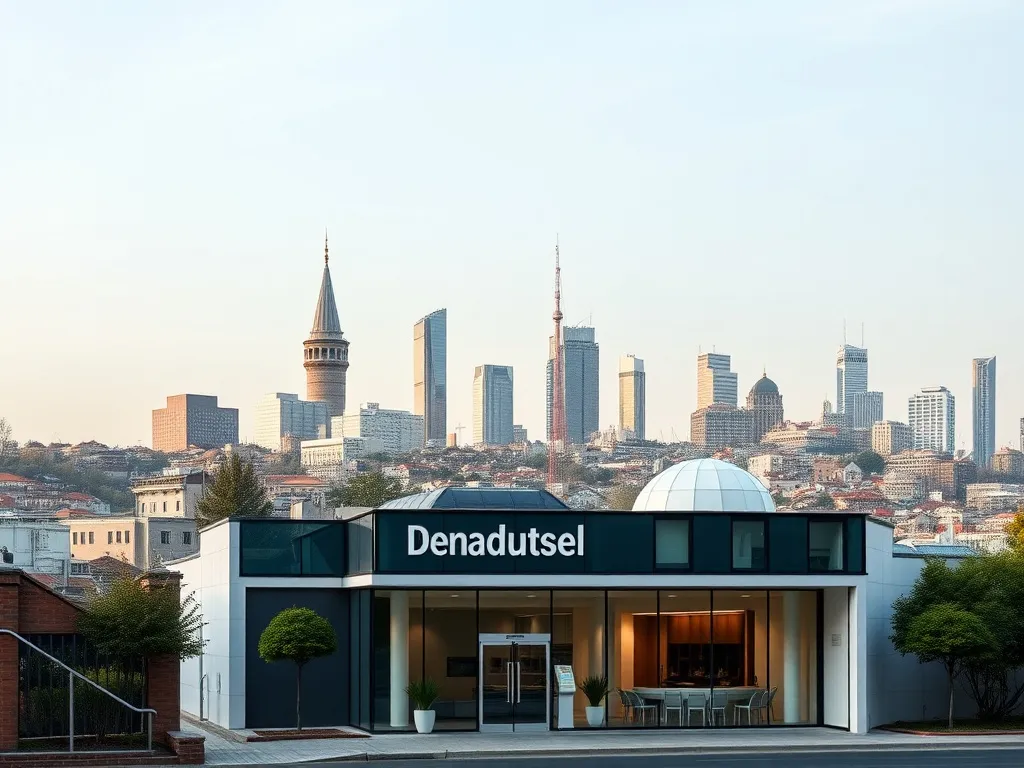 especially for Arabic-speaking visitors. Beyond price and quality, the country’s expanding airline network, favorable exchange rates, and visitor-friendly visa policies make arranging treatment both practical and predictable. Equally important, Turkish clinics have embraced service elements typical of premium hospitality—personal coordinators, curated accommodation recommendations, and flexible scheduling—so that even complex care feels manageable within a short stay. For many, the experience blends precision medicine with an enriching cultural journey, delivering a renewed smile alongside lasting memories of Istanbul’s skyline, Antalya’s beaches, or Cappadocia’s otherworldly landscapes.
Current Trends in Dental Tourism
In 2026, Turkey has secured its status as the “Smile Capital of the World,” with Istanbul leading dental tourist arrivals. The rise in interest is not solely about cost savings but also the perceived value of transformative dentistry coupled with a Mediterranean escape.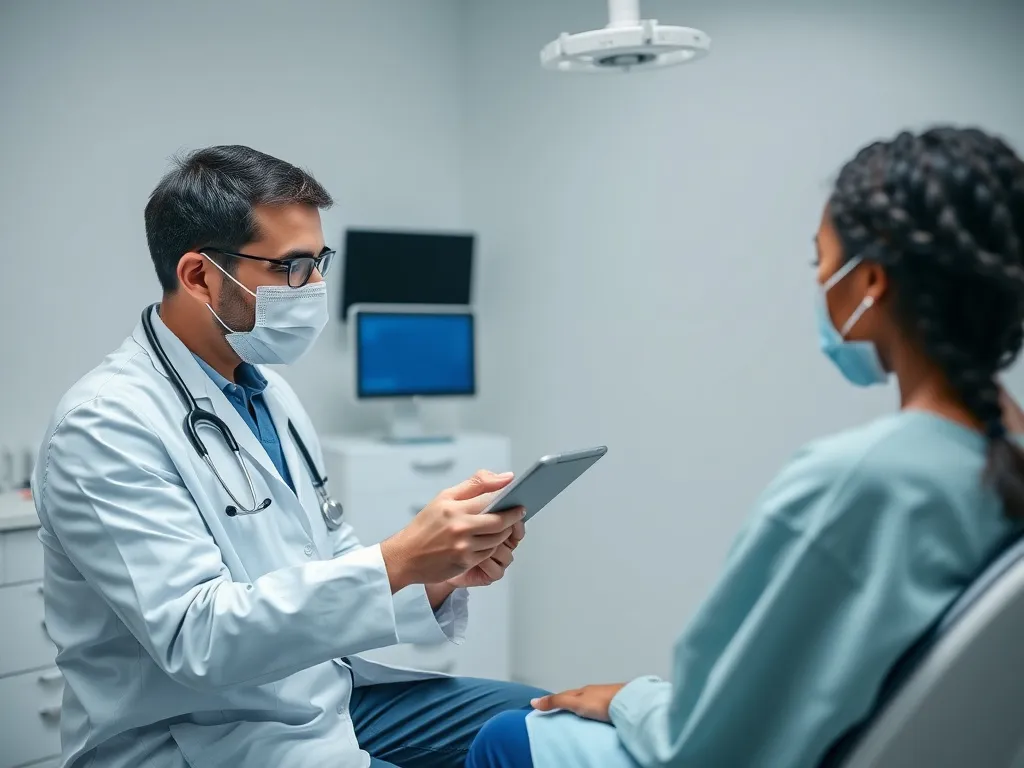 The Turkish government’s substantial investment in “Health Cities” and cutting-edge clinics ensures that facilities often surpass those found in more traditional medical centers like London and New York. Social media has amplified this momentum: before-and-after galleries, virtual smile previews, and candid reviews allow potential patients to visualize outcomes and gauge clinic professionalism long before boarding a flight. Influencers and public figures increasingly document their treatment timelines, demystifying procedures and setting realistic expectations about recovery. Flexible work arrangements have also broadened access; remote professionals can schedule follow-ups without extensive time away from their responsibilities, while retirees appreciate comprehensive packages that coordinate care, leisure, and transport into a single, streamlined itinerary.
The market is growing, with the dental tourism sector projected to reach a revenue of USD 532 million by 2033, increasing at a compound annual growth rate of 12.4% from 2026 to 2033. This trend highlights Turkey’s strategic foresight and the increasing international demand, especially from Western countries looking for affordable solutions for extensive dental work, such as full-mouth restorations or aesthetic improvements. Multiple drivers fuel this trajectory: the widening affordability gap between domestic care and overseas options; improvements in cross-border patient protections; and the availability of transparent treatment plans shared digitally. In addition, airline connectivity to Istanbul, Antalya, and Izmir has expanded, shortening travel times from major hubs across Europe, the Middle East, and North Africa. Patients often cite predictable scheduling as another catalyst—high-volume clinics can marshal surgical teams, dental technicians, and lab services to deliver complex results within days, not months. As insurance limitations leave many elective or combined restorative-cosmetic procedures uncovered at home, Turkey’s packaged pricing provides clarity and confidence from the outset.
Turkey’s dental services have evolved from basic treatments to sophisticated procedures like Digital Smile Design (DSD) and AI-assisted planning,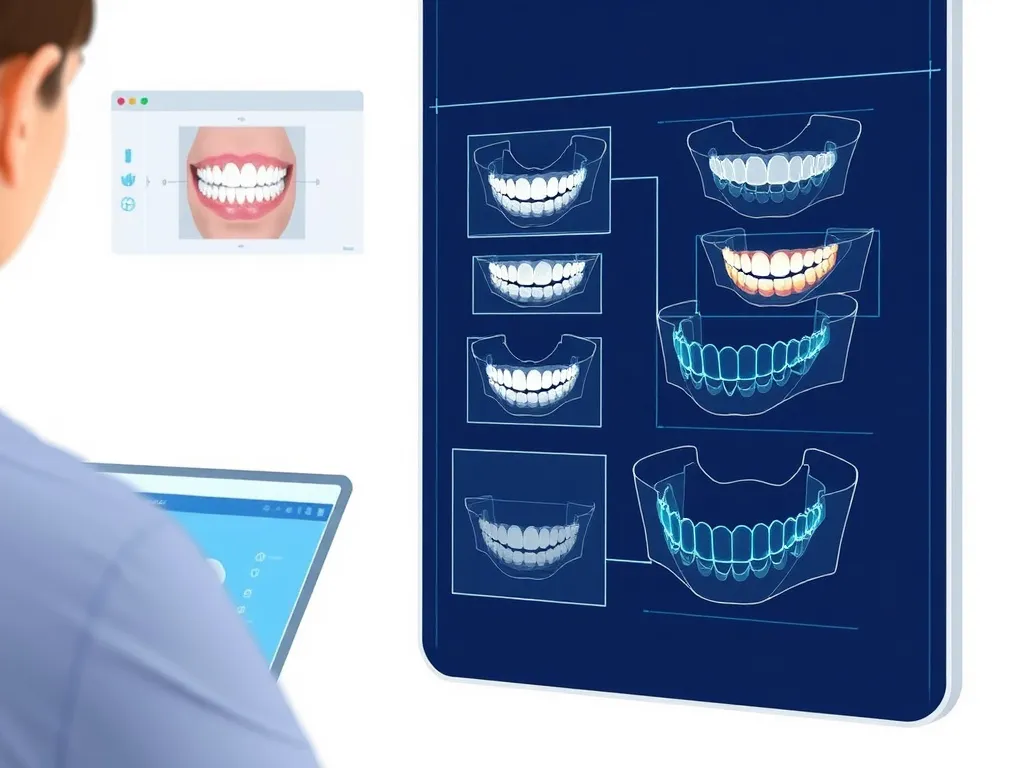 which predict post-treatment results with great accuracy. This is particularly appealing to international patients who seek reassurance before undergoing complex procedures. Alongside DSD, clinics rely on intraoral scanners to capture ultra-precise digital impressions, avoiding messy traditional molds and enabling comfortable, repeatable measurements across appointments. AI tools assist with occlusion analysis, implant positioning, and esthetic symmetry, giving clinicians a wider decision-making canvas. “Trial smiles” and temporary restorations let patients experience the proposed look and feel in real life, refining shape, hue, and bite alignment before committing to final crowns or veneers. For surgical cases, 3D-printed guides translate digital plans into millimeter-accurate execution chairside, while sedation options—ranging from gentle anxiolysis to deeper anesthesia under monitoring—support patients who are dental-averse or undergoing longer sessions.
Advanced Dental Care Facilities
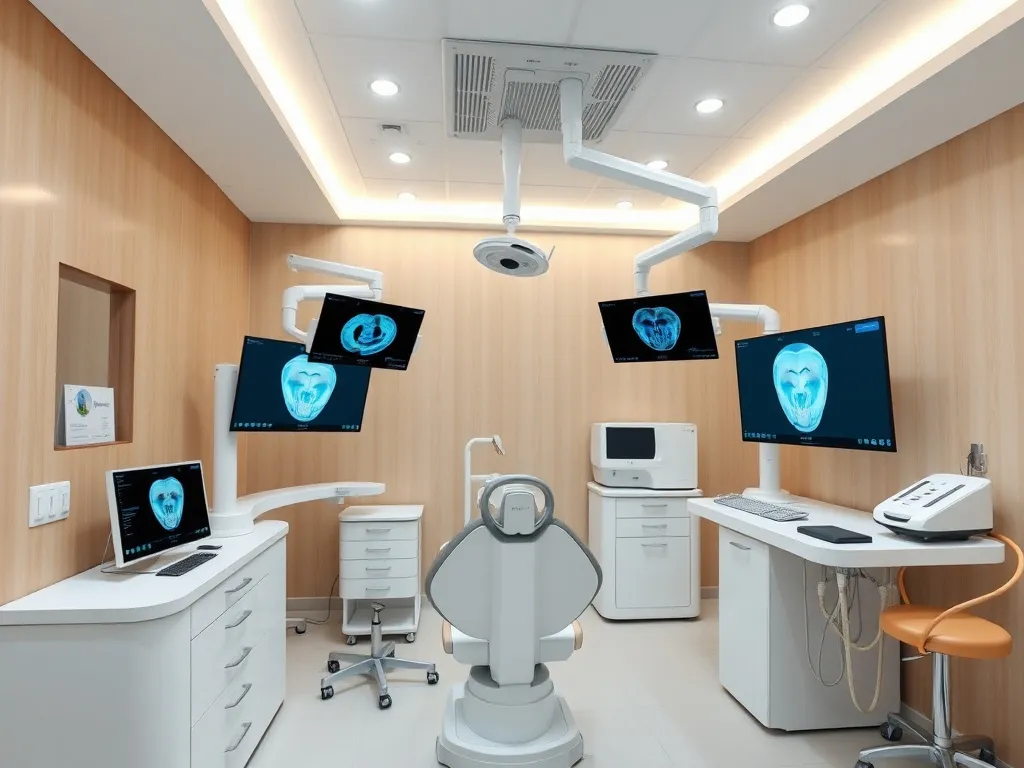
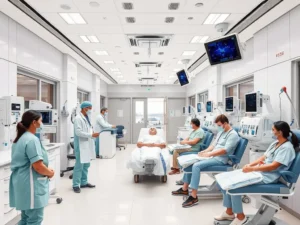
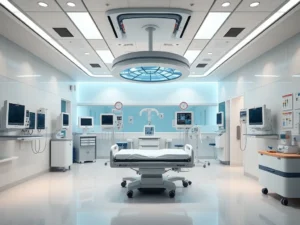
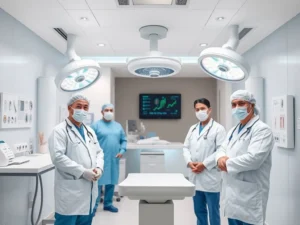
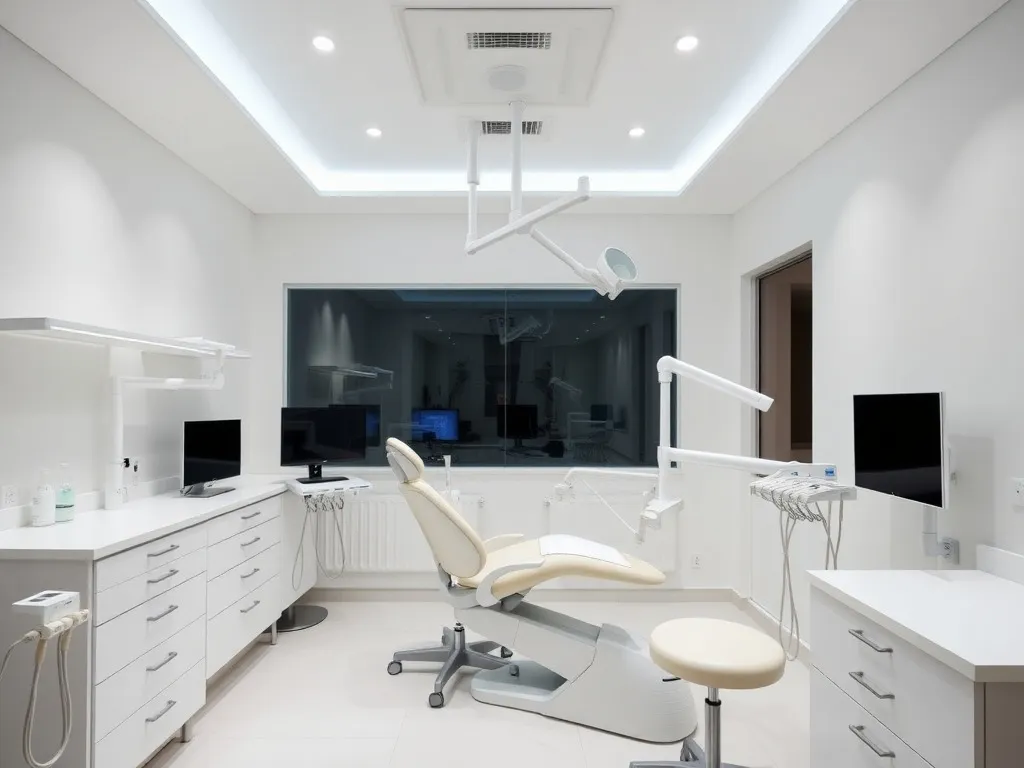
Modern clinics in cities such as Istanbul and Antalya boast the latest dental technologies, including chairside CAD/CAM systems for same-day restorations. This approach reduces treatment timelines—vital for international patients planning around travel schedules. Many clinics also use CBCT scanning for precise diagnosis and planning, reinforcing Turkey’s reputation as a hub of dental excellence. High-magnification microscopes improve root canal success by revealing micro-anatomy otherwise missed, while diode and erbium lasers enable minimally invasive gum sculpting, frenectomies, and bacterial decontamination. The typical same-day crown process is remarkably streamlined: an intraoral scan captures your dentition, software designs the restoration, and a milling unit carves the crown from a ceramic block within minutes. After glazing and firing for strength and translucency, the dentist fine-tunes the fit and shade, then bonds it permanently—all in a single visit. For multi-unit cases, in-house labs synchronize with clinical teams, compressing what once took weeks into a tightly orchestrated two- or three-day window.
The Turkish Health Ministry’s strict standards, which require clinics to hold the “International Health Tourism Authorization Certificate,” help ensure high-quality care and patient safety. This regulatory framework filters out subpar clinics and maintains consistently high standards, attracting discerning patients from around the globe. Many leading providers also adhere to global benchmarks such as ISO-based quality systems or international accreditation for affiliated hospitals, demonstrating mature infection control, sterilization, and documentation practices. Patients frequently receive clear, multilingual consent forms, radiographic records, and lab certifications for materials used in crowns, implants, and aligners. Transparent warranties—detailing coverage windows, maintenance expectations, and local partner collaborations for urgent aftercare—build post-treatment confidence. Data privacy and secure telehealth channels are now standard; digital case files, radiographs, and photographs can be shared with the patient and their home dentist, ensuring continuity of care long after the return flight.
The Benefits of Dental Treatments in Turkey
Cost Efficiency
The financial advantage is central to Turkey’s prominence in dental tourism. Patients can often save 60-80% on major procedures compared to costs in the UK, the US, or other Western countries. For instance, a full-mouth restoration can cost over USD 40,000 in the US, while the same procedure in Turkey can be completed for USD 10,000 to 15,000, including travel expenses. Implants, crowns, veneers, and gum treatments are similarly competitive: single implants with abutment and crown can be priced to rival the cost of just the implant fixture elsewhere; zirconia or e.max ceramic restorations are commonly available; and periodontal therapies pair advanced diagnostics with patient-friendly fees. Because many clinics maintain their own labs or partner with high-volume providers, they negotiate favorable rates on premium materials without compromising outcomes. Currency advantages further stretch budgets for visitors from the Gulf, Europe, and North America, and fixed quotes in widely used currencies help mitigate exchange-rate uncertainty.
This affordability makes a level of care accessible that might be financially unattainable at home, turning a focused dental trip into a feasible alternative to lengthy and expensive domestic treatment plans. Patients who have deferred care due to cost can finally address compounding dental issues in a single, integrated timeline—restoring bite function, stopping gum disease progression, and achieving esthetic goals without years of incremental fixes. For working professionals, consolidated treatment minimizes the disruption of frequent local appointments; instead of multiple visits spread across months, carefully planned blocks allow for targeted time off. Travel-inclusive packages can yield a surprisingly balanced value equation: even with flights and hotels, the comprehensive, time-bounded approach often outperforms piecemeal care, especially when a case requires interdisciplinary coordination between surgeons, prosthodontists, and lab technicians.
Combining Travel with Treatment
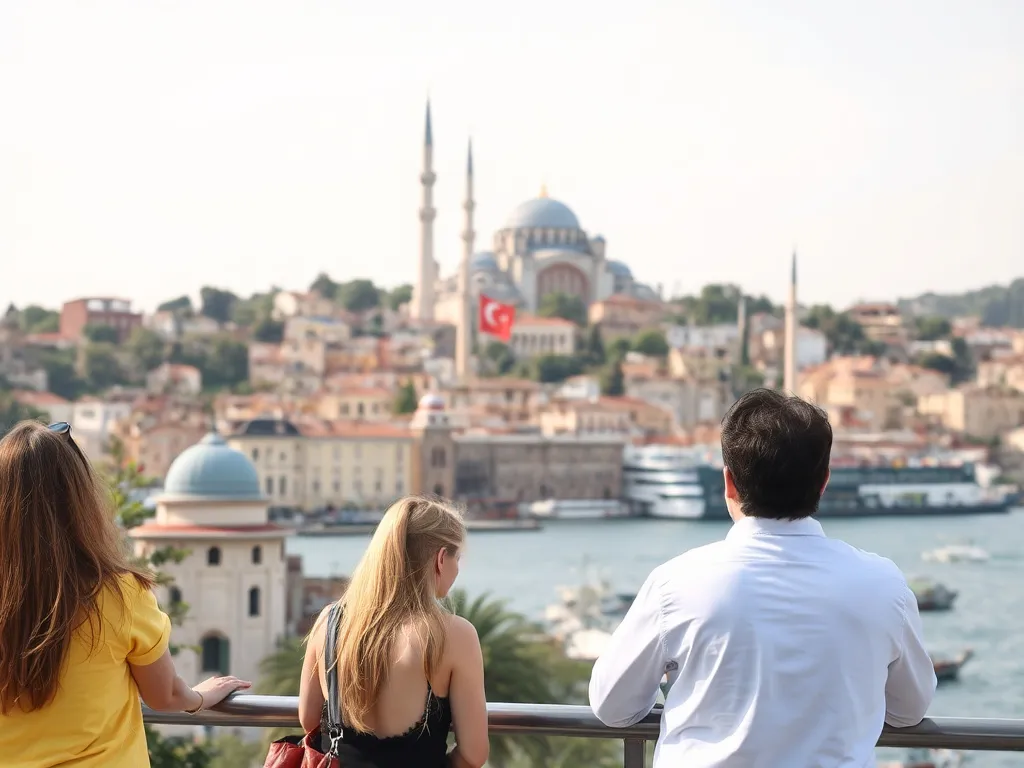
Beyond cost savings, merging dental treatment with a vacation in Turkey is a significant attraction. With its rich cultural heritage, stunning landscapes, and renowned hospitality, patients can enjoy a rewarding trip while attending to their oral health needs. This dual-purpose travel is particularly appealing to those looking to combine medical care with sightseeing and genuine relaxation. Many clinics provide suggested itineraries aligned with clinical milestones—for example, light touring on arrival day, procedures on days two and three, and gentle activities or spa visits during the recovery window. Istanbul offers low-exertion experiences between appointments, from Bosphorus cruises to museum visits; Antalya’s seaside promenades and shaded cafés suit post-treatment downtime; Cappadocia’s sunrise viewpoints are breathtaking yet manageable when heavy exertion should be avoided. Wellness complements dentistry here: thermal springs, hammams, and tranquil tea gardens provide soothing environments. Practical recommendations—soft-food dining options, shaded walking routes, and guidance on avoiding strenuous activities after surgery—ensure patients feel cared for not only in the chair, but throughout their stay.
Dedicated Patient Services
Turkish clinics often offer comprehensive services designed for international patients. These typically include English-speaking coordinators, virtual pre-consultations, and post-care telehealth services, ensuring a smooth journey from initial inquiry through follow-up. Concierge teams can arrange airport transfers, select hotels near the clinic, and coordinate appointment times around prayer schedules, family travel, or business obligations. Many practices provide detailed pre-visit checklists covering medication management, fasting guidelines when sedation is planned, and dietary tips for the recovery period. On treatment days, transportation support reduces stress, while pharmacy liaisons help procure prescriptions without language barriers. Aftercare continues digitally—secure messaging, structured check-ins, and video calls let clinicians monitor healing, adjust hygiene routines, and triage any concerns. Clear warranty terms and collaboration protocols with dentists in the patient’s home country add a final layer of reassurance, minimizing the risk of feeling “on your own” after returning home.
Patient Testimonials and Experiences
Testimonials from patients highlight the transformative nature of dental tourism in Turkey. For instance, Mark from Edinburgh shared his story of overcoming years of dental insecurity, stating: “In Turkey, I felt like a VIP. The clinic was spotless and offered more than just dental treatment—a complete transformation was achieved in not only my smile but my confidence too.” Such stories show how medical tourism can impact people’s lives beyond cosmetic improvements alone. A mother–daughter visit from Doha described how synchronized appointments allowed quality time together between procedures, turning what could have been a stressful week into an affirming bonding experience. A retiree from Toronto praised the clarity of phased implant planning—his team mapped out surgical and restorative steps across two visits months apart, with transparent pricing and interim solutions for eating comfortably. Others mention the calming effect of sedation options, the courtesy of being greeted in their native language, and the thoroughness of post-op instructions that made healing more predictable. While every case is unique, recurring themes include attentive communication, meticulous hygiene standards, and the ease of combining care with memorable sightseeing.
Arabic-Speaking Tourists: A Growing Segment
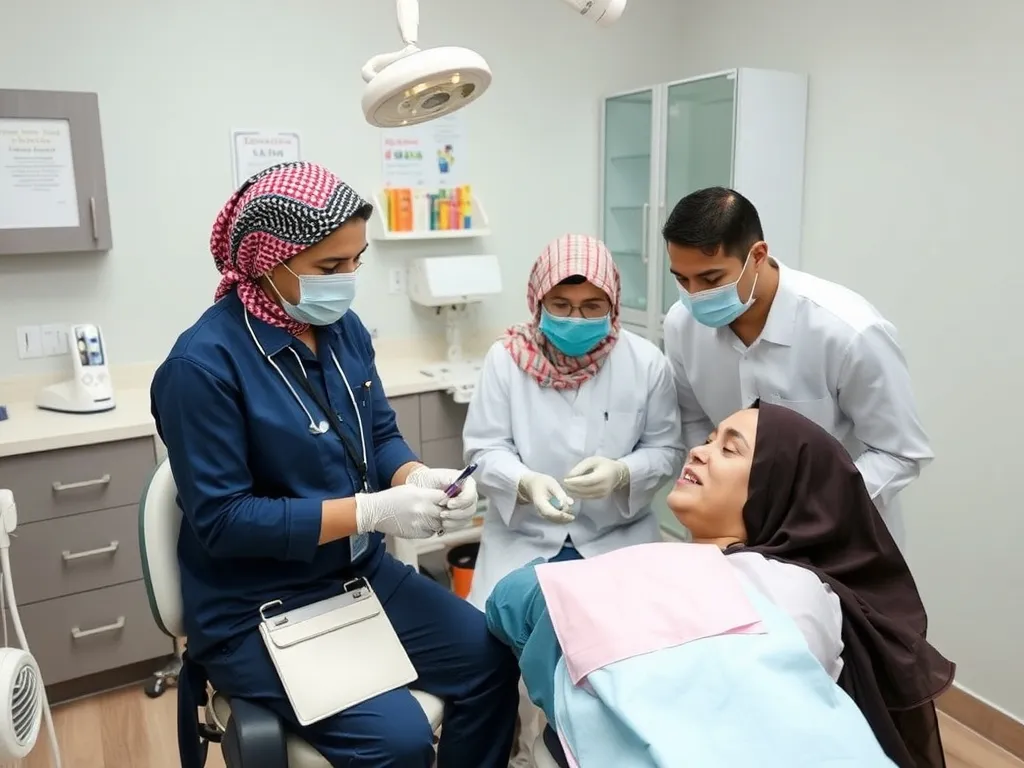
Turkey’s dental industry also resonates strongly with Arabic-speaking patients, supported by culturally sensitive services and language-appropriate care. Many clinics employ staff who can communicate effectively in Arabic and offer tailored packages aligned with specific preferences and expectations. Proximity and cultural similarities between Turkey and many Arabic-speaking countries further enhance its appeal as a medical travel destination. Clinics commonly provide Arabic intake forms, interpretation during consultations, and translated treatment summaries for review at home. Practical comforts—halal-certified dining recommendations, private family lounges, and prayer spaces—reflect thoughtful accommodation of religious and cultural needs. Patients may request female clinicians or assistants when preferred, schedule appointments around Friday prayers, or plan procedures to avoid fasting hours in Ramadan. For families, child-friendly waiting areas and adjacent hotels with connecting rooms streamline logistics. Cities popular among Arabic-speaking visitors—such as Istanbul, Bursa, Trabzon, and Antalya—offer familiar cuisine, Arabic-speaking tour guides, and retail experiences, making the entire journey feel both welcoming and efficient.
Steps for Arabic-Speaking Patients to Plan Their Dental Trip
For Arabic-speaking patients planning dental care in Turkey, the following steps can help ensure a seamless experience:
- Research Clinics: Look for clinics with a strong reputation, confirmed by patient reviews and official certifications such as the International Health Tourism Authorization Certificate. Examine before-and-after portfolios, especially cases similar to yours, and ask which dental labs and materials the clinic uses. Verify dentist credentials and specialties, and inquire whether the clinic has in-house CBCT and CAD/CAM capabilities to reduce external referrals. Red flags include vague pricing, reluctance to share sterilization protocols, or pressure to commit quickly. Ask for sample treatment plans, information on guarantees, and details of implant or ceramic brands. Mapping the clinic’s location relative to your hotel, airport, and attractions can also help you plan realistic daily schedules, ensuring you avoid long commutes during recovery.
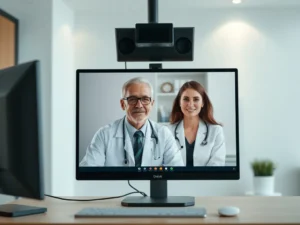
- Initial Consultation: Arrange video-call consultations to discuss treatment plans and gain a clear understanding of potential procedures. Many clinics offer these consultations free of charge to support international patient planning. Prepare by sending recent dental records, panoramic X-rays, or intraoral photos when available; share your medical history, medications, and any allergies. Ask for alternatives if multiple routes could meet your goals—for example, veneers versus orthodontic alignment—along with timelines, pros and cons, and cost differences. Clarify anesthesia options, pain control strategies, and your clinic’s approach to managing anxiety. Request a draft itinerary that synchronizes procedures with rest days, and confirm that you will receive consent forms in Arabic or a language you fully understand.
- Review Costs: Request a comprehensive quote that covers all potential expenses, from treatment to accommodation, and plan your budget to avoid surprises. Many clinics provide packages that combine treatment with accommodation and transportation. Seek a granular breakdown: diagnostics (CBCT, scans), surgical or procedural fees, prosthetic work (crowns, bridges, veneers), anesthesia or sedation, extractions or grafts if needed, post-op medications, and follow-up. Ask about contingencies if your case proves more complex than initially expected, and whether staged treatment is possible to spread costs. Confirm currency, accepted payment methods, and refund or change policies if your travel plans shift. Finally, review warranty conditions—what is covered, for how long, and where emergency support can be accessed after you return home.
- Plan Recovery Time: Schedule a few days after treatment to recover and enjoy Turkey’s cultural highlights, extending the benefits of your visit beyond medical care. Discuss realistic healing periods based on your procedure type: implants may require a staged approach with osseointegration time; extensive veneer or crown work often benefits from a day or two of light activities before final cementation. Build soft-food options into your itinerary and avoid strenuous exercise, saunas, or swimming immediately after surgery. Ensure you understand medication schedules, hygiene routines, and follow-up video checks. Confirm your emergency contact pathway and whether the clinic has partner dentists in your city should urgent issues arise once you are back home.
Conclusion: A Bright Future for Dental Tourism in Turkey
Looking ahead, the future of dental tourism in Turkey is highly promising. With state-of-the-art facilities, affordable treatments, and comprehensive patient care, Turkey stands out as a leading choice for dental tourists worldwide. As the market expands, supported by government initiatives and increasing global demand, Turkey’s position in dental tourism is set to strengthen further, offering robust dental care solutions and transformative patient experiences. Continued digital integration—AI-driven planning, interoperable records, and secure telehealth—will make cross-border treatment even smoother. On the service side, deeper cultural fluency and multilingual care teams are poised to elevate satisfaction for Arabic-speaking visitors, while clear warranties and international collaborations will sustain confidence after patients return home. For those considering a dental journey, the most reliable outcomes still rest on careful preparation: choosing accredited clinics, understanding treatment phases, and aligning recovery with realistic travel plans. When clinical excellence meets transparent communication and thoughtful hospitality, Turkey’s promise is more than a cost advantage—it is a comprehensive pathway to oral health that respects time, culture, and personal well-being.