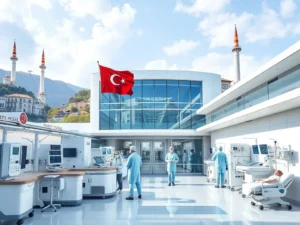
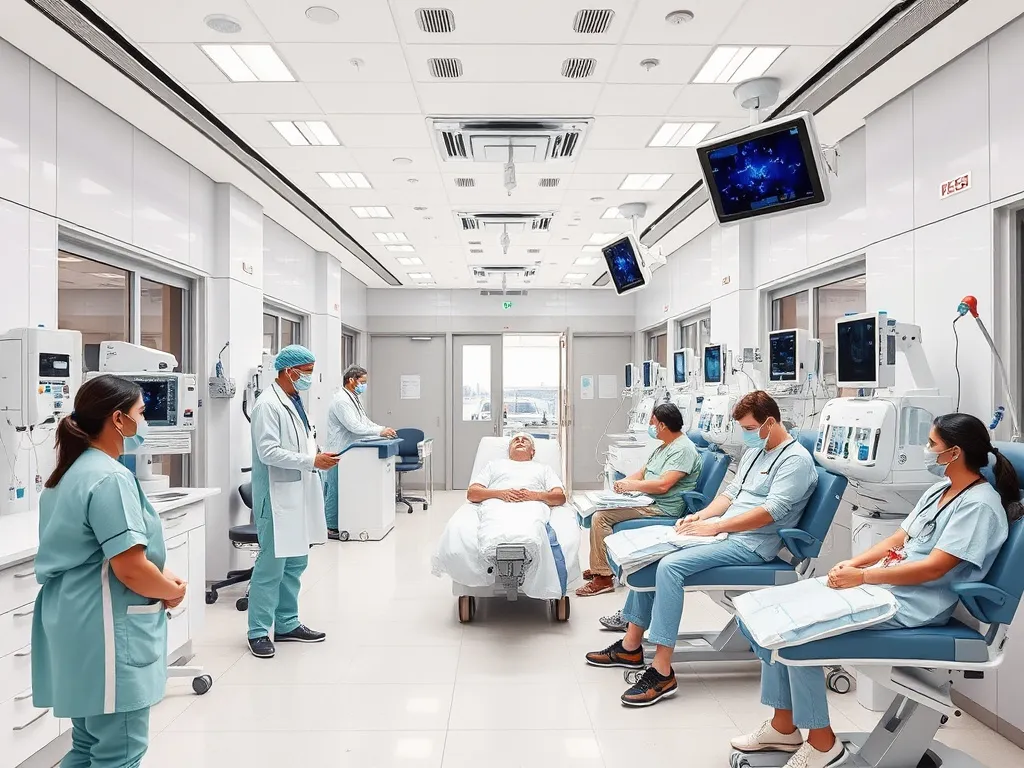
Medical tourism in Turkey offers strong options for Arabic-speaking patients seeking high-quality care at competitive prices. Major cities host internationally accredited hospitals, surgeons trained abroad, and care teams experienced with international cases. Patient coordinators who speak Arabic and English streamline steps from remote consultation to follow-up.
Facilities in Istanbul, Ankara, and Izmir are set up for fast diagnostics, efficient scheduling, and clear communication. Cultural familiarity—halal meals, prayer spaces, and family-friendly visiting policies—adds comfort.
 Combined with frequent flight connections and a hospitality sector used to medical travelers, Turkey delivers quality, efficiency, and attentive service in one place.
Understanding Medical Packages: Key Inclusions and Exclusions
Medical packages in Turkey combine clinical care with practical support to make treatment seamless. As noted by acibademinternational.com , they commonly bundle pre-assessment, specialist review, a tailored plan, and a clear timetable for arrival, diagnostics, procedure, and recovery. Many include patient education materials—often available in Arabic—so expectations are aligned. The more specific the offer, the fewer surprises and the easier it is to coordinate work leave or family travel.
- Medical Consultations: Initial meetings with specialists to customize your plan, including review of prior tests, examination, and discussion of options, risks, and outcomes.
 You may also meet anesthesia staff to review history and fasting rules. For travelers, preliminary video calls confirm candidacy before flights. If seeking a second opinion or extra clearances (for example, cardiology), ask if they are included or billed separately.
 - Diagnostic Tests: Standard labs and imaging needed for your treatment (e.g., blood work, X-ray/ultrasound, ECG). “Standard” varies by procedure: dental implants may include panoramic X-rays but not 3D cone-beam CT unless requested. Bring recent results in English or Turkish to reduce repeats, though some tests may be redone for safety. Ask which tests are included, which are conditional, and costs for additional imaging or labs.
- Surgical and Procedure Costs: Typically covers surgeon fees, operating room, anesthesia, and routine supplies. Standard consumables and implants may be included; premium brands or special materials can cost extra. Confirm choices, upgrade pricing, and who performs each step of the procedure. Ask about typical duration and whether revisions or touch-ups are covered if results deviate from plan.
- Hospital Stay: Includes the planned inpatient stay, room type, meals for the patient, and routine monitoring. Check visiting rules, whether a companion can stay, and interpreter access on the ward. Clarify charges for extra nights, ICU rates, and whether early discharge affects price.
- Nursing and Medical Care: Routine inpatient care, pain control, wound care, vital checks, and standard medications. If your treatment needs high-cost drugs or biologics, confirm coverage. Most packages include at least one follow-up visit; ask how many are covered and how extra visits are billed.
Non-medical services that might be included are: They reduce logistical stress so you can focus on recovery, especially if it’s your first visit to Turkey.
- Interpreter Support: Arabic-speaking coordinators or interpreters assist during consultations, consent, and discharge. Ask if support is in-person or remote, available on-demand or limited hours, and whether key documents will be translated. Confirm costs for extended or after-hours assistance.
- Transport and Logistics: Airport transfers and rides between hotel and clinics are often included. Check whether return transfers are guaranteed after flight changes, how rescheduling works, and if extra stops are possible. Ask about vehicle size for families and fees for late-night pickups.
- Accommodation Guidance: Help booking recovery-friendly hotels or apartments near the clinic (elevators, quiet rooms, accessible bathrooms). Verify negotiated medical rates, flexible check-in/out, and cancellation terms. If hotel nights are included, confirm property standards, breakfast, and companion coverage.
However, it is important to note common exclusions described by trueclinic.app : Knowing them upfront helps you plan and budget accurately.
- Flights and Visas: International flights and visas are usually your responsibility. Clinics may issue invitation letters for visa support, but airfare, schedules, and rules vary by season and nationality. Leave buffer days before and after the procedure for rest and follow-up.
- Additional Testing: Extra diagnostics beyond the standard package—advanced imaging, genetic or pathology studies, specialized cardiac tests, subspecialty consults—are billed separately. Request a price list and bring original reports and imaging to avoid repeats where safe.
- Complications and Extended Care: Unexpected complications, readmissions, ICU stays, or unplanned reoperations usually fall outside the package. Ask how the clinic defines a complication, whether corrective care is discounted within a set window, and policies on implant warranties and revision costs.
- Travel Insurance and Meals: Personal travel insurance and meals outside the hospital are typically excluded. Consider policies that cover medical complications and trip changes, and budget for pharmacy items, SIM cards, and city taxes.
Clarity prevents surprise expenses. Confirm currency, taxes, exchange-rate rules, payment methods, deposits, and cancellation or rescheduling terms—preferably in a signed quotation or pro forma invoice.
Comparing All-Inclusive Vs. Exclusive Packages
Choosing between all-inclusive and exclusive packages affects cost and convenience.
 An all-inclusive package may cover medical services, airport transfers, hotel stays, and postoperative care, giving you one coordinator and predictable budgeting, as noted by trueclinic.app . Some extras (such as SIM cards) can be removed to lower the price.
Exclusive packages focus on core medical services, with hotel and transport priced separately. They suit travelers who prefer specific hotels, loyalty programs, or local support. The trade-off is more self-coordination to align logistics with appointments.
Patients often find all-inclusive plans make finances and scheduling clearer, while independent travelers value control. Compare total trip cost under both models—lodging, meals, local transport, and potential rescheduling fees—and ask clinics to quote both a bundled and medical-only plan to see which best fits your needs.
Navigating Hidden Costs: How to Identify Them
To avoid hidden costs, request an itemized, written breakdown, as advised by acibademinternational.com . It should define services, timing, responsibilities, payment points, and what happens if clinical decisions alter the plan. Ask for a sample invoice and brief explanations of unfamiliar terms.
- Services Included: List every procedure, test, room level, anesthesia type, expected duration, and number of cycles (e.g., IVF or physiotherapy). If implants or grafts are involved, specify type/brand and upgrade fees. Confirm whether day-of-surgery meds, routine labs, and postop garments or splints are included.
- Non-Medical Support Provided: Detail transfers (which routes and how many), service hours, and policies for delays. If hotel nights are included, note the property and nights covered, breakfast, and companion policy. For interpreting, state in-person vs remote, included hours, and whether document translation is covered.
- Potential Additional Costs: Define triggers for extra charges—added imaging or labs, extended stays, ICU, specialized meds, or extra follow-ups. For variable-scope procedures (dental, hair transplant), clarify pricing if implant or graft counts change, and whether consent is required before significant add-ons.
Plan for companion expenses and a small contingency fund for items like extra medications, mobility aids, or unexpected hotel nights. Keep digital and paper copies of receipts and medical records (including imaging) to support follow-up care at home.
Real-World Patient Experiences and Outcomes
Testimonials highlight the benefit of integrating medical and travel services under one plan. IVF, dental, and aesthetic patients often report smooth sequences from consultation to recovery, with tightly scheduled clinic visits and hotel stays, followed by remote check-ins.
Patients also value language support, particularly when nuanced communication is essential to avoid misunderstandings. Arabic-speaking staff improve decision-making, help explain tests or plan changes, and ensure you understand consent and postoperative instructions. Translated discharge summaries and contacts also aid coordination with your home physician.
Flexibility matters when recovery alters timelines. Ask how flight or hotel changes are handled if you need an extra day. Patients who build in a rest day, set a small contingency budget, and keep close contact with coordinators report smoother experiences.
Taking Control: Making an Informed Decision
Make decisions methodically. Aim for value, clinical quality, and safety—not price alone. Start early, compare options side by side, and keep notes.
- Research Thoroughly: Use resources like globaldoctorreview.com to compare options and credentials. Look for consistent feedback across platforms and how clinics address criticism. Compare case volumes, outcomes, and package clarity. Patient forums can reveal practical tips.
- Verify Credentials: Confirm hospital accreditations and physicians’ board certifications. Ask who performs each key step, annual case numbers, outcomes, and complication rates. Transparent teams answer clearly.
- Evaluate and Compare Packages: Compare medical fees, hotel nights, transport, interpreter hours, and likely out-of-pocket costs. Watch for optional extras and request quotes for both fully bundled and medical-only plans. Choose the balance of comfort, control, and value that suits you.
- Secure a Comprehensive Written Plan: Get a documented timeline for preop tasks, procedure date, follow-ups, and discharge planning. Request coordinator contacts and an escalation path. Confirm you’ll receive translated prescriptions and medical documents before departure.
Map a simple day-by-day itinerary with rest built in, and add buffer time before flying home. Store records digitally and on paper, keep emergency numbers handy, and brief your companion. Small preparations—like confirming hotel accessibility or airport assistance—improve comfort and safety.
Conclusion
Turkey’s role as a leading medical tourism destination offers many advantages, provided patients understand exactly what their medical packages cover. By learning what is included—and what is not—you can build a care journey that matches your expectations. With sound research and open communication, packages can simplify complex treatment.
Compare options carefully, confirm details in writing, and choose the structure that best matches your needs. Doing so supports smoother travel, better outcomes, and the peace of mind that comes from knowing each step is planned and supported.