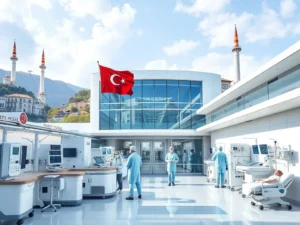
Epilepsy is a long-term neurological condition characterized by repeated seizures due to excessive electrical activity in a group of brain cells. Unpredictable by nature, it affects millions worldwide. These seizures can present in many ways—from brief lapses in awareness or muscle jerks to prolonged convulsions—and the same person may experience different seizure types over time. Triggers vary and may include sleep deprivation, stress, illness, or flashing lights, but many seizures occur without any obvious warning, which can make daily planning challenging. Beyond clinical symptoms, epilepsy can influence education, employment, driving eligibility, and mental health, underscoring the importance of timely, expert care. Turkey, known for its advanced medical technology and skilled specialists, offers excellent treatment options for patients seeking top-notch care at reasonable prices. The country’s position at the crossroads of Europe and Asia, robust medical tourism infrastructure, and a strong tradition of hospitality make it a practical and welcoming choice for international patients. Modern Turkish epilepsy centers combine sophisticated diagnostics with individualized treatment planning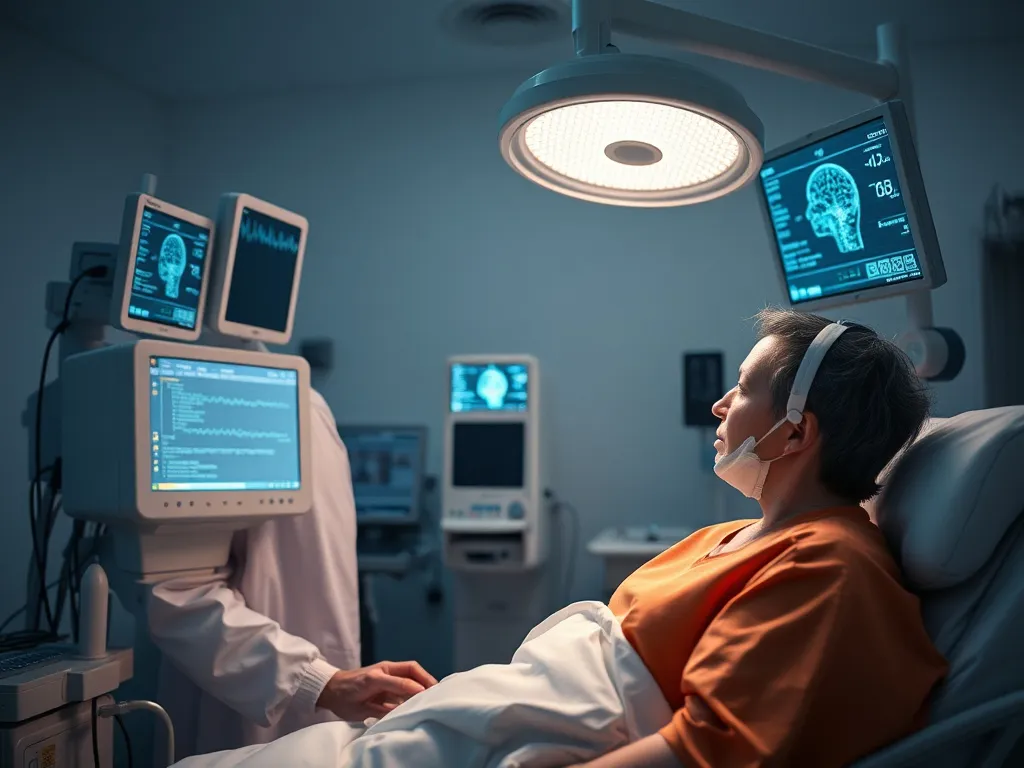 , while multilingual teams help ensure clear communication and culturally sensitive support from the first inquiry through long-term follow-up. For many families, this combination of expertise, accessibility, and affordability provides not just medical benefit but also much-needed peace of mind.
Overview of Epilepsy Treatment Options in Turkey
Turkey has become a leader in neurological care, providing innovative epilepsy treatments tailored to various patient needs. From anti-seizure medications and lifestyle adjustments to advanced surgical techniques like Deep Brain Stimulation (DBS) and Gamma Knife surgery , Turkish hospitals combine expert care with the latest technology. Equally important is the comprehensive diagnostic pathway that guides selection of these therapies. Most leading centers operate dedicated Epilepsy Monitoring Units where prolonged video-EEG helps capture typical events, differentiate epileptic from non-epileptic spells, and determine whether seizures arise from a focal region or are generalized. High-resolution 3T MRI with epilepsy protocols, functional MRI for language and memory mapping, PET and SPECT imaging to localize seizure onset zones, and neuropsychological testing to profile cognitive strengths and weaknesses are commonly integrated. Multidisciplinary conferences bring together epileptologists, neurosurgeons, neuroradiologists, neuropsychologists, and specialized nurses to review data and co-create a plan, ensuring that medication changes, dietary interventions, or procedures are aligned to each patient’s goals. This continuum of care spans pediatric through adult services, with smooth transition programs for adolescents and tailored approaches for women’s health, older adults, and individuals with complex comorbidities.
Medical Treatment and Lifestyle Management
The first step of epilepsy treatment in Turkey is anti-seizure medications, which manage seizures for many patients.
 Medicana Health Group notes that when medication is not enough, options like a ketogenic diet or surgery may be considered. Comprehensive management plans often include diet and lifestyle support to enhance overall treatment outcomes. In practice, physicians select medicines based on seizure type, age, reproductive plans, other health conditions, and potential side effects. Commonly used options include levetiracetam, lamotrigine, valproate, carbamazepine, oxcarbazepine, topiramate, lacosamide, and newer agents where appropriate. Treatment usually starts low and is gradually increased to an effective dose while monitoring for tolerability and interactions with other medications or supplements. Regular follow-ups, now frequently supported by telemedicine, allow fine-tuning of doses and timely detection of mood changes, bone health considerations, or cognitive effects. For women of childbearing potential, discussions cover contraception, folic acid, and pregnancy planning, while for children, growth, learning, and behavioral support are integrated into care. Lifestyle strategies often make a meaningful difference: consistent sleep schedules, stress management, moderated alcohol intake, and attention to illness prevention can reduce breakthrough events. Many centers encourage seizure diaries and smartphone apps to track patterns and potential triggers, and they offer education on first aid for family members and coworkers. Dietary therapies—such as the classic ketogenic diet, modified Atkins diet, or low glycemic index therapy—are provided under dietitian supervision, with structured initiation, laboratory monitoring, and practical coaching for meal planning. These nonpharmacologic tools are rarely standalone cures, but they can significantly decrease seizure frequency and improve quality of life, especially when combined with effective medication management.
Surgical Options
For epilepsy that doesn’t respond to medication, Turkey’s medical centers offer several surgical options, including vagus nerve stimulation , DBS , and Gamma Knife surgery . According to amedical.az , these procedures have shown impressive success rates, using precise interventions that reduce seizure frequency and improve quality of life. In addition to neuromodulation, resective and ablative surgeries are considered for well-localized focal epilepsy, such as temporal lobe surgery or lesionectomy when a clear structural cause exists. Minimally invasive laser ablation, guided by MRI, may offer shorter hospital stays and rapid recovery for selected patients, while traditional open surgery remains appropriate when broader access provides the best chance of seizure control. Vagus nerve stimulation involves placing a small device under the skin of the chest, connected to the vagus nerve in the neck, delivering intermittent pulses that can lessen seizure severity over time. Deep Brain Stimulation typically targets specific thalamic nuclei to modulate widespread seizure networks, and programming is personalized postoperatively to balance benefit and side effects. Gamma Knife, a form of stereotactic radiosurgery, uses focused beams to address defined targets without an incision, which can be valuable when standard surgery poses higher risk. Candidacy for each option is determined after thorough evaluation, often including invasive monitoring in complex cases. Turkish teams discuss expectations transparently—likelihood of seizure reduction, potential cognitive or mood changes, device maintenance such as battery replacement, MRI compatibility considerations, and the need for ongoing medication even after surgery. Many patients experience fewer hospital days due to enhanced recovery protocols, and structured rehabilitation and follow-up support help consolidate gains in daily functioning, schooling, or work.
Success Rates and Hospital Accreditations
Turkey’s strong success rates in epilepsy treatment are due to cutting-edge technology and experienced medical teams.
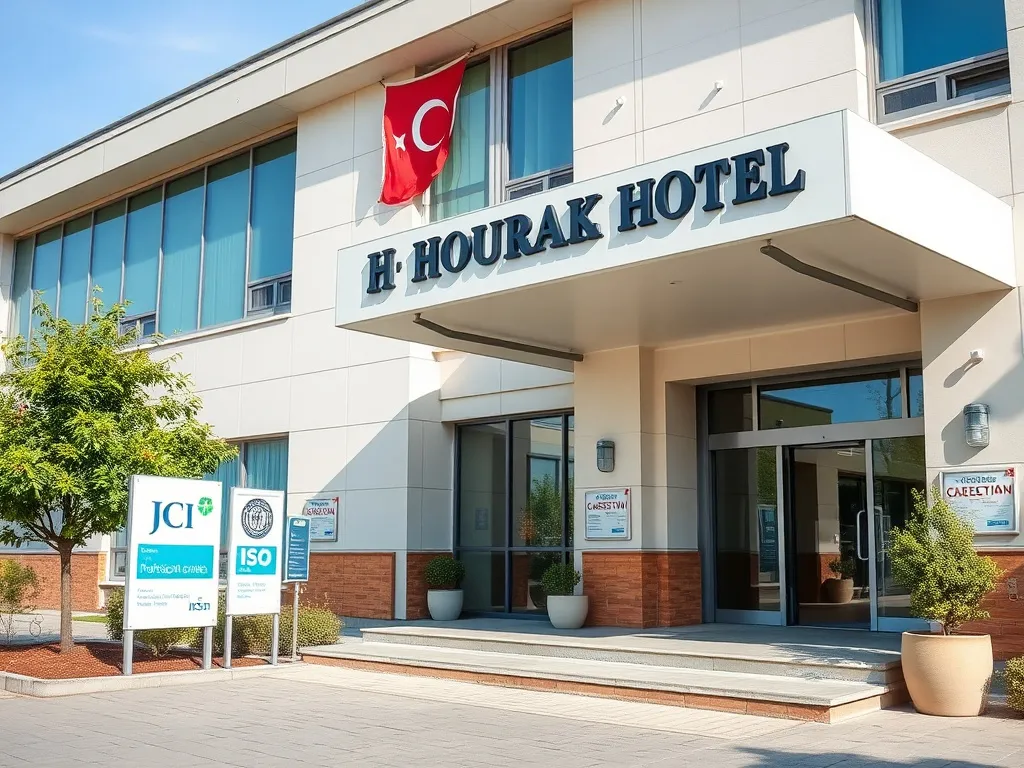 Leading hospitals like Acibadem Hospital and Koç University Hospital feature advanced diagnostic tools and seasoned neurologists. Their integrated pathways emphasize accurate diagnosis at the outset, because correctly classifying seizure types and localizing seizure onset zones powerfully influences outcomes. Many centers publicize quality indicators such as time to first specialist appointment, average length of stay in Epilepsy Monitoring Units, postoperative complication rates, and readmission metrics, which are benchmarked against international norms. Dedicated neuro-ICUs provide round-the-clock coverage for higher-risk cases, while specialized nursing teams support medication titration, seizure safety education, and discharge planning. The presence of multidisciplinary tumor boards and epilepsy surgery conferences ensures that borderline cases receive collective scrutiny, promoting judicious selection for intervention. This culture of data-driven practice, combined with accessible follow-up—including teleconsultations for international patients—supports sustained seizure control and patient-reported improvements in energy, concentration, and independence. Continuous audit and patient feedback loops further refine protocols year after year.
Global Recognition
The success rates of epilepsy treatments in Turkey often exceed international standards. For example, the use of Gamma Knife surgery has an impressive success rate of over 85%, according to amedical.az . In addition, these hospitals hold accreditations such as JCI and ISO certifications, assuring patients of adherence to global medical standards. JCI accreditation signals robust patient safety systems, infection prevention programs, medication management controls, and rigorous credentialing of clinicians; ISO frameworks support consistent processes, documentation, and quality improvement. Many Turkish neurologists and neurosurgeons train or complete fellowships in Europe or North America, contribute to peer-reviewed publications, and participate in international registries that facilitate outcome comparison across borders. When centers quote success figures, they increasingly reference recognized scales—like Engel classification or percentage seizure reduction—while noting that results vary with epilepsy type, lesion location, comorbid conditions, and prior treatment history. This transparency helps families understand that an 85% figure may refer to carefully selected candidates and specific endpoints rather than a universal guarantee. Recognition also extends beyond accreditation, covering patient experience initiatives, language access programs, and digital health tools that enable secure sharing of EEGs and imaging for second opinions before travel.
Patient Testimonials and Expert Interviews
Patient Experiences
Patients from many regions travel to Turkey not only for the quality of care but also for the individualized attention Turkish specialists provide.
 Testimonials often highlight the impact of accessible, compassionate healthcare. According to health.bookimed.com , patient satisfaction scores are high, reflecting positive treatment experiences. Common themes include clear explanations of diagnoses, realistic expectation setting, and active involvement of families in care plans. Individuals recount regaining confidence after years of uncontrolled seizures, returning to school or work, and, in some cases, progressing toward driving eligibility under local regulations once seizure control is sustained. Others praise the value of comprehensive evaluations that revealed non-epileptic events, allowing discontinuation of unnecessary medications and focused psychological support. International visitors often mention seamless logistics—from airport pickups and hospital admissions coordinated by patient liaisons to interpreter availability at every appointment. Amenities such as family-friendly rooms, prayer spaces, and on-site pharmacies contribute to comfort during longer stays. Follow-up reports and imaging are typically provided in English alongside native language documentation, simplifying communication with home-country physicians. While each journey is unique, the overarching message is that personalized attention, steady communication, and coordinated aftercare turn a complex medical trip into a manageable, even empowering, experience.
Insights from Specialists
Interviews with leading neurology experts in Turkey indicate that ongoing advances in research and technology have strengthened their ability to manage epilepsy. Specialists emphasize personalized treatment plans tailored to the specific characteristics of the disorder to optimize outcomes. Clinicians describe a precision approach that synthesizes seizure semiology, EEG patterns, high-resolution imaging, metabolic or genetic findings, and neuropsychological profiles to craft stepwise strategies—starting with the most conservative effective option and escalating only when risks and benefits are favorable. They note growing roles for minimally invasive ablation, refined targeting for Deep Brain Stimulation (DBS) , and smarter programming of implanted devices using data analytics. On the medical side, careful dose titration, attention to mood and sleep, and counseling on pregnancy or aging-related changes are routine. Psychologists and social workers are embedded in teams to address anxiety and depression, which can be as impactful as seizures themselves. Many experts are optimistic about emerging tools—wearable seizure detectors, AI-enhanced EEG review, and genetic panels that may guide medication choice in certain syndromes—while remaining candid that durable seizure freedom still hinges on meticulous diagnosis and ongoing partnership with patients. Above all, they stress shared decision-making: aligning treatment with personal goals, cultural values, and practical realities such as school calendars, job responsibilities, and family support.
Practical Guide for International Patients
For international patients considering epilepsy treatment in Turkey, the medical travel process is straightforward. Before arranging treatment, it is advisable to consult a healthcare provider to discuss options. Most Turkish hospitals provide coordinators who assist with logistics such as appointment bookings and accommodation arrangements. A typical pathway begins with securely sharing prior records—EEG reports, brain imaging, medication lists, and a seizure diary—so that Turkish teams can perform a preliminary review and propose a diagnostic or treatment plan. Once travel dates are set, coordinators advise on visas if required, airport transfers, and preferred neighborhoods near the hospital. Upon arrival, patients commonly undergo updated evaluations: neurologic examination, laboratory work, and targeted imaging to ensure compatibility with surgical planning protocols. If video-EEG monitoring is indicated, admission to an Epilepsy Monitoring Unit for several days enables safe capture of events under supervision. Multidisciplinary case conferences follow, culminating in a detailed consultation where clinicians and families discuss findings and next steps, whether that means medication adjustments, dietary therapy initiation with a dietitian, or consideration of procedures such as vagus nerve stimulation , DBS , or Gamma Knife surgery . Practical tips from experienced travelers include carrying extra medication in original packaging, bringing a concise medical summary in English, confirming international phone service or obtaining a local SIM card for hospital communications, and arranging a caregiver’s schedule for potential inpatient days. Cultural familiarity—such as widely available halal food, prayer areas, and English-speaking staff—further supports comfort during the stay.
Understanding Costs
The cost of epilepsy treatment in Turkey is significantly lower than in Western countries, making it a cost-effective choice for many. Pricing is transparent, with cost comparisons readily available from various hospitals and clinics, helping patients access quality care at an affordable price. While exact figures depend on diagnosis, length of monitoring, device selection, and hospital tier, families can expect clear quotations that separate preoperative evaluation, procedure fees, hospital stay, and follow-up visits. Typical expenses may include specialist consultations, EEG and video-EEG monitoring, high-resolution MRI and functional imaging, neuropsychological testing, anesthesia, operating room or radiosurgery suite time, device or implant costs where relevant, and postoperative imaging or programming sessions. Some centers offer bundled packages that include airport transfer and hotel discounts, which can simplify budgeting. Patients should ask about what is not included—additional nights in the hospital if monitoring takes longer than expected, unforeseen intensive care needs, or extra imaging—and whether translation, pharmacy, and courier fees for records are itemized. International payment options often include major credit cards, bank transfer, and in some cases medical financing. If an insurer or employer plan provides out-of-country benefits, hospitals can help with documentation to support claims. The overall value proposition typically reflects not only lower procedure costs but also shorter wait times and comprehensive service coordination, which together can reduce indirect expenses such as prolonged time away from work or school.
Final Considerations
Traveling for medical care can be daunting, but Turkey’s established track record in epilepsy treatment and patient support helps ease concerns. From comprehensive pre-treatment consultations to detailed aftercare plans, facilities are equipped to serve international patients. Additionally, because English is widely spoken among healthcare professionals, language barriers are reduced, making the experience more comfortable and efficient. As you plan, consider practical safety steps: wear a medical ID, share a written seizure action plan with your travel companion, and discuss flight considerations with your physician if seizures are sensitive to sleep disruption. Ensure vaccinations and routine labs are current, and carry an updated medication list with generic names and doses. Clarify how prescriptions will be refilled after you return home, and request digital copies of key records—operative notes, imaging, and device programming parameters—to share with your local neurologist. For families traveling with children, ask about child-life specialists and schooling accommodations during longer stays; for older adults, confirm physical therapy and fall-prevention resources. It can also be helpful to schedule a telehealth follow-up before you depart so you know when and how to reconnect in the weeks after treatment. Finally, remember that epilepsy care is a journey rather than a single event: success is built on partnership, realistic goals, and steady adjustments over time.
In conclusion, Turkey’s commitment to excellence in healthcare offers reassurance to those seeking specialized epilepsy treatment. With competitive pricing, advanced medical technology, and renowned experts, Turkey remains a leading destination for people confronting epilepsy worldwide. The combination of robust diagnostics, individualized medical and dietary therapies, and a full spectrum of surgical and neuromodulatory options ensures that plans can be tailored to each person’s needs at every stage of life. Patient-centered services—from multilingual coordination to thoughtful aftercare—help families navigate logistics with confidence and focus on what matters most: improved seizure control, safety, and quality of life. As with any major medical decision, prospective patients should consult their local clinicians, review accredited hospital credentials, and request detailed proposals from Turkish centers. Doing so enables informed choices and sets the stage for a well-organized, positive treatment experience that can bring lasting stability and renewed independence.