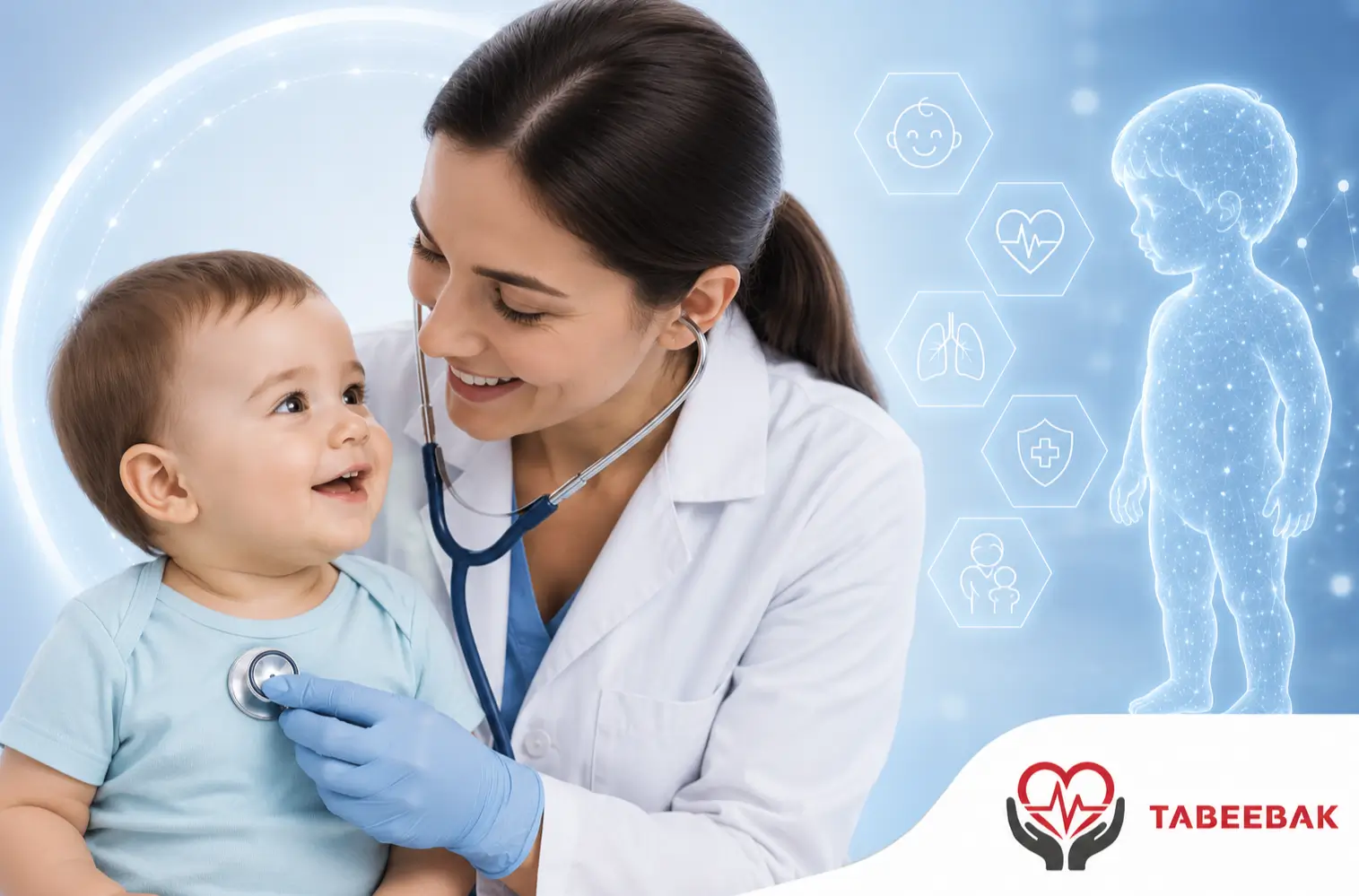
The Pediatrics Department is the first destination families turn to for reassurance about their children’s health and healthy development. This specialized field is dedicated to providing medical and preventive care for children from the very first moments of life until they reach adulthood at the age of 18. At Tabibak, we understand that your child’s health is your highest priority, which is why we are committed to offering content that connects you with the best medical experts and hospitals equipped to meet all of your child’s healthcare needs.
What Is the Pediatrics Department?
Pediatrics is a branch of medicine focused on the physical, mental, and behavioral healthcare of infants, children, and adolescents. The role of pediatricians goes beyond treating illness; it also includes preventive care and monitoring all stages of growth and development, including physical, motor, and language development. This specialty is distinguished by creating a child-friendly environment that helps reduce fear of hospitals while also providing parents with guidance on proper nutrition and effective childcare practices.
What Diseases and Conditions Are Treated in Pediatrics?
Pediatricians manage a very wide range of health conditions, from common minor illnesses to chronic diseases. The most important of these include:
- Infectious and inflammatory diseases: such as upper and lower respiratory tract infections, including bronchitis and pneumonia, middle ear infections, and throat and tonsil infections.
- Digestive system disorders: including gastroenteritis, diarrhea and vomiting, chronic constipation, infant reflux, and food allergies.
- Allergic and respiratory diseases: such as asthma, eczema, and allergic rhinitis.
- Growth and nutritional disorders: including vitamin and mineral deficiencies such as anemia or vitamin D deficiency, delayed growth, obesity, or severe underweight.
- Common skin conditions: such as skin rashes, chickenpox, and fungal or bacterial infections.
Diagnosis and Tests Used in Pediatrics
Diagnosing illnesses in children depends greatly on the physician’s ability to communicate with the child, observe clinical signs carefully, and take a detailed medical history from the parents. Diagnostic methods used in pediatrics include:
- Comprehensive clinical examination: measuring vital signs, examining the ears and throat, listening to heartbeats and lung sounds, and assessing neurological and motor responses.
- Laboratory tests: including blood samples such as a complete blood count (CBC) or inflammatory markers like CRP, as well as urine and stool tests to detect infections or parasites.
- Medical imaging: using X-rays or ultrasound to assess internal organs safely and with minimal radiation exposure.
- Motor and language development assessments: standardized evaluation tools used to determine whether a child’s development matches their age.
Treatment and Management of Childhood Diseases
Managing childhood illnesses requires exceptional precision in calculating medication doses, which are determined according to the child’s weight and age, not only the type of illness. The treatment plan may include:
- Medication therapy: prescribing antibiotics when necessary for bacterial infections, along with fever reducers and child-safe pain relievers.
- Nutritional guidance: adjusting the diet to support immunity and manage conditions such as anemia or food allergies.
- Referral to pediatric subspecialties: in complex cases, the general pediatrician refers the child to subspecialties such as pediatric cardiology, pediatric neurology, or pediatric surgery to ensure the most appropriate care.
The Importance of Vaccinations and Regular Check-Ups
Vaccinations and immunization schedules are a cornerstone of preventive pediatrics. They protect children against serious and potentially life-threatening diseases such as polio, measles, whooping cough, and hepatitis.
In addition to vaccinations, regular well-child visits are essential for monitoring growth curves, including height, weight, and head circumference, and for the early detection of vision, hearing, or behavioral disorders such as autism spectrum disorder. This allows for timely and effective intervention.
How Does the Tabibak Guide Help You Find the Best Children’s Hospital in Turkey?
Turkey is home to a distinguished group of hospitals equipped with advanced pediatrics departments and neonatal intensive care units (NICU), all specially designed to provide a child-friendly and comfortable environment. Through the Tabibak platform, we ensure that you receive:
- Access to top specialists: We connect you with highly experienced pediatricians skilled in managing a wide range of childhood conditions.
- International quality accreditations: We recommend hospitals that hold recognized quality certifications such as JCI and apply the highest standards of infection control and patient safety.
- Logistical and language support: We provide translation and medical assistance services to ensure clear and effective communication between you and the medical team, so you remain fully informed about every detail of your child’s treatment plan.