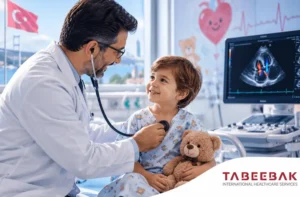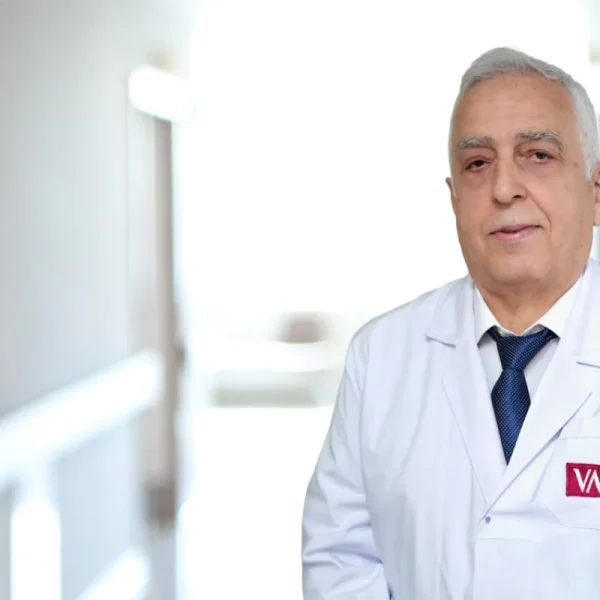

Your child’s immune health requires exceptional care and precise follow-up that should only be entrusted to a doctor with an outstanding professional background.
In the specialty of pediatric immunology and allergy, our primary focus is on the professional competence, academic background, and extensive clinical experience of the treating physicians.
The doctors we work with at Tabibak are among the leading consultants holding advanced qualifications and international accreditations in pediatrics and immunological diseases.
These medical experts ensure accurate and reliable diagnosis, along with strict treatment plans based on the latest internationally recognized research and scientific studies.
Conditions Treated by Pediatric Immunology and Allergy Specialists
Our consultant physicians manage a wide range of immune and allergic conditions affecting children from birth through adolescence:
- Respiratory allergic diseases: management and treatment of allergic asthma and allergic rhinitis, including seasonal allergies, to support healthy breathing and restful sleep for the child.
- Food allergies: accurate diagnosis of allergic reactions to cow’s milk protein, nuts, wheat, and other foods, with safe nutritional protocols.
- Allergic skin diseases: control of eczema flare-ups, also known as atopic dermatitis, and urticaria, with daily skin care plans.
- Primary immunodeficiency diseases: precise clinical and laboratory evaluation for children who suffer from recurrent infections and unexplained inflammatory episodes.
Latest Diagnostic and Treatment Protocols
Specialists rely on advanced diagnostic and treatment techniques to ensure the child’s comfort and a faster response to treatment:
1. Skin Prick Tests
A precise and quick in-clinic procedure used to identify direct allergy triggers, such as pollen or animal dander, safely and with minimal discomfort.
2. Immunotherapy
An advanced treatment strategy based on giving the child carefully measured and gradually increasing doses of allergens, with the aim of training the immune system and reducing allergic reactions over the long term.
3. Controlled Food Introduction Protocols
Direct clinical medical supervision for the gradual introduction of allergenic foods to help build immune tolerance in the child, also known as oral immunotherapy.
Why Choose Hospitals in Turkey for Your Child’s Immune Care?
Healthcare in Istanbul is distinguished by a child-friendly environment supported by medical infrastructure that meets the highest international standards.
We work closely with leading medical institutions, especially Medical Park Hospitals Group.
These hospitals include specialized pediatric immunology and allergy departments and laboratories, providing integrated care that begins with precise laboratory testing and continues with regular follow-up to help stabilize the child’s health and support normal development.