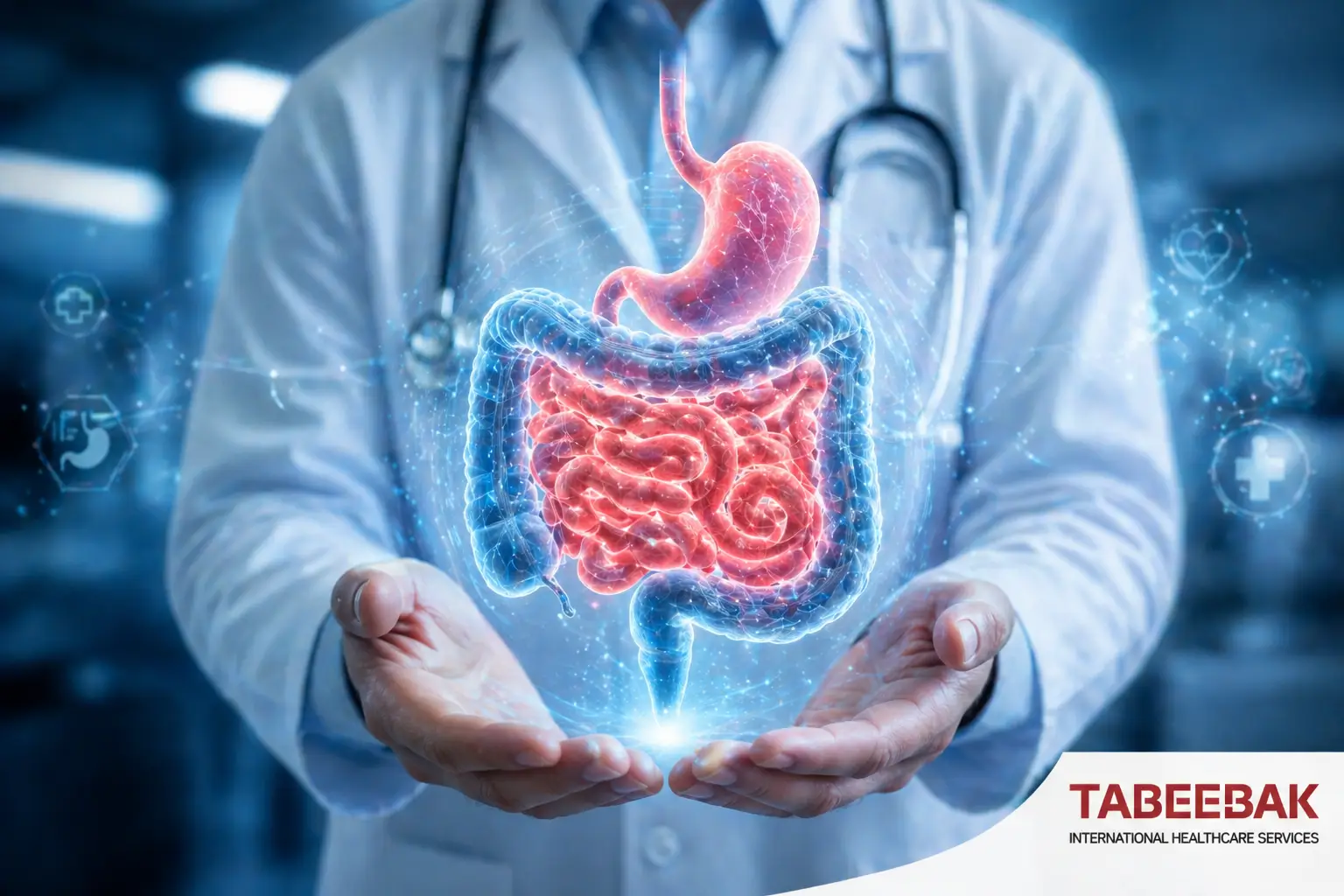
At Tabibak, we help patients access the best gastroenterology doctors and hospitals in Turkey, offering advanced medical options for diagnostic tests and modern treatments, including endoscopy, colonoscopy, liver tests, and specialized imaging techniques.
What Is Gastroenterology?
Gastroenterology is a medical specialty concerned with the prevention, diagnosis, and treatment of diseases related to the digestive organs, such as the esophagus, stomach, intestines, liver, gallbladder, and pancreas. This specialty treats both acute and chronic conditions that may affect digestion, absorption, appetite, weight, and quality of life.
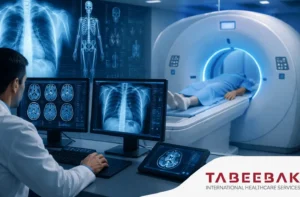
The department also includes many advanced diagnostic and therapeutic procedures, such as upper endoscopy, colonoscopy, biopsies, and imaging of the bile ducts and pancreas when needed.
What Conditions Does the Gastroenterology Department Treat?
Gastroenterologists deal with a wide range of diseases and conditions, including:
- Gastroesophageal reflux disease and heartburn
- Gastritis and stomach ulcers
- Irritable bowel syndrome and functional bowel disorders
- Ulcerative colitis and Crohn’s disease
- Different types of hepatitis
- Liver cirrhosis and fatty liver disease
- Gallstones and bile duct diseases
- Pancreatitis and pancreatic diseases
- Difficulty swallowing and esophageal diseases
- Digestive system cancers, such as stomach, colon, and esophageal cancer
- Intestinal infections and diverticular disease
Latest Technologies Used in Gastroenterology
Modern gastroenterology centers in Turkey rely on advanced technologies that help achieve accurate diagnosis and create a suitable treatment plan for each case. The most important technologies include:
- Upper endoscopy: used to examine the esophagus, stomach, and duodenum, and diagnose inflammation, ulcers, and tumors.
- Colonoscopy: used to examine the colon and detect inflammation, polyps, and bleeding.
- Endoscopic ultrasound EUS: used to evaluate certain lesions inside the digestive system with greater accuracy.
- FibroScan: used to assess liver fibrosis and fatty liver disease in a non-invasive way.
- ERCP: used to diagnose and treat diseases of the bile ducts and pancreas.
- Capsule endoscopy: used to image the small intestine and detect certain diseases that are difficult to reach with conventional endoscopy.
When Should You Visit a Gastroenterologist?
It is recommended to visit a gastroenterologist when repeated or persistent symptoms appear, such as stomach pain, chronic acidity, bloating, nausea, vomiting, difficulty swallowing, changes in bowel habits, chronic diarrhea or constipation, gastrointestinal bleeding, unexplained weight loss, or yellowing of the skin and eyes.
Gastroenterology in Turkey with Tabibak
Turkey offers advanced options for the diagnosis and treatment of digestive system diseases, thanks to modern hospitals, specialized doctors, and advanced technologies in endoscopy and medical imaging. Through Tabibak, you can access the right doctor and hospital for your condition, with complete medical coordination that includes consultation, appointment booking, translation, and follow-up.