
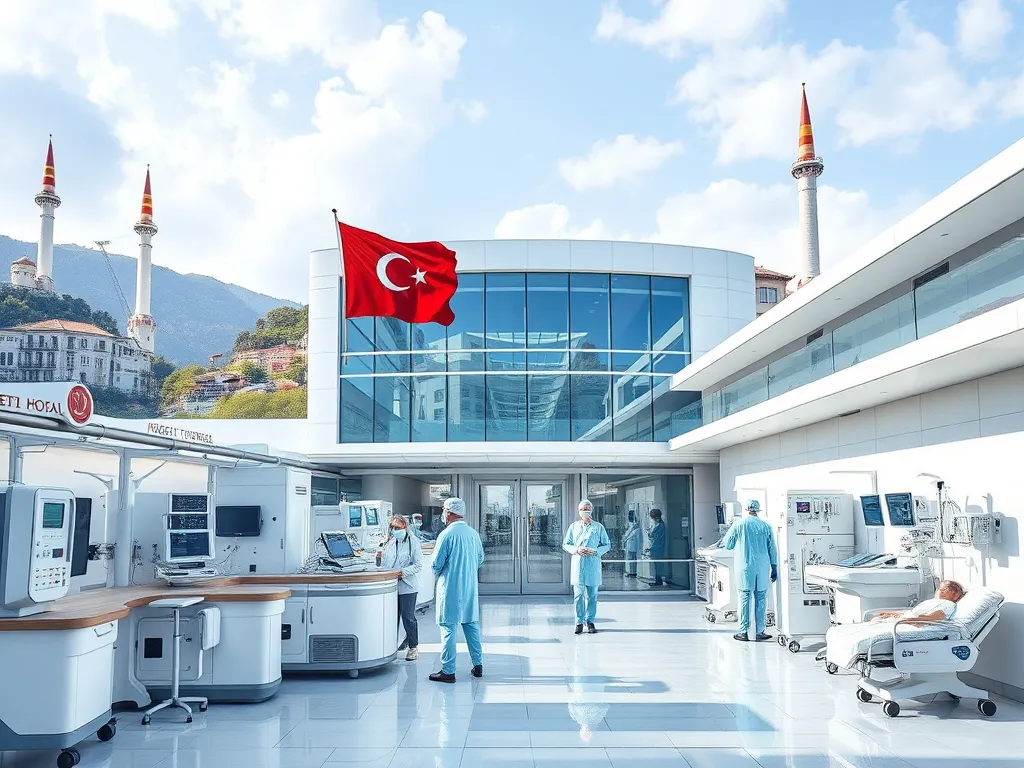
Turkey has become a top destination for medical tourism, drawing international patients for its excellent care, affordability, and beautiful surroundings. If you’re thinking about getting treatment in Turkey, it’s crucial to understand how medical packages operate to make an informed decision. This guide provides a straightforward summary of typical inclusions and usual exclusions, along with advice on choosing a package that suits your needs. The goal is to help future patients feel knowledgeable and confident throughout their medical journey. Beyond the attractive pricing and short waiting times, many travelers are drawn by Turkey’s extensive network of accredited hospitals, experienced surgeons, and advanced technology comparable to Western standards. Popular procedures range from cosmetic surgeries and dental work to orthopedics, cardiology, bariatric surgery, IVF, and ophthalmology. Understanding how packages assemble medical and travel components can help you compare providers fairly, avoid misunderstandings, and plan a realistic budget and timeline from pre-approval to post-treatment recovery.
Understanding Medical Packages in Turkey
A medical package generally combines surgeries, hospital services, and travel-related support into one plan. It’s designed to simplify the experience for international patients by offering a clear, organized outline of what’s needed for care in Turkey. Packages differ by treatment type and hospital, so it’s crucial to ask detailed questions before making a reservation. Some providers offer “all-inclusive” options that include airport transfers, translation, and basic aftercare, while others present “treatment-only” packages where you manage accommodation and transport yourself. You may also find tiered packages—basic, standard, and premium—varying by room type, length of hospital stay, and extras like companion meals or physiotherapy sessions. Clarify what happens before you travel (teleconsultations, required lab results), what occurs on arrival (in-person assessment and final confirmation), and what ongoing support is available after discharge (remote check-ins or local referrals). A well-structured package will outline this full timeline so there are no surprises.
Common Inclusions in Medical Packages

According to the Acibadem Hospitals Group , medical packages in Turkey typically cover several key elements. Keep in mind that “typical” does not mean identical: some inclusions are capped or limited by days, distance, or number of sessions. Always ask for the written scope of services, along with any thresholds that might trigger added costs.
- Consultations: Initial check-ups and pre-surgery meetings with the chosen specialist to plan the procedure. This usually includes reviewing your medical history, confirming your suitability for the treatment, explaining the risks and benefits, and discussing alternative approaches. Many clinics arrange a brief online consultation before you travel, followed by an in-person evaluation upon arrival to finalize the plan. If your case requires input from multiple specialists (for instance, cardiology clearance before major surgery), clarify whether those additional consults are included or billed separately.
- Hospital Services: Hospital stay for a set number of nights and use of operating rooms or procedure areas. Standard packages often provide a private or semi-private room, nursing care, meals for the patient, and basic amenities like Wi‑Fi. Some providers also include a bed or chair for one companion. Ask about the default room category, whether upgrades are possible, and the per-night rate if the surgeon recommends a longer stay than originally planned.
- Surgical Fees: Fees for the surgeon and medical team. This typically covers the lead surgeon, assistant surgeon if needed, scrub nurses, and the core clinical staff inside the operating theater. For complex surgeries, additional team members (e.g., plastic surgeon plus ENT for combined procedures) may incur higher fees. Ensure the quote specifies the exact procedure code or description so you know the fee matches your intended technique rather than a different variant.
- Anaesthesia: The cost of anesthesia during the surgery is often included. This usually encompasses the anesthesiologist’s professional fee, routine monitoring, and standard medications used during the operation. Clarify whether regional blocks or sedation for minor procedures are treated differently, and ask what postoperative pain control is covered while you are still in the hospital. If you have known anesthesia sensitivities, mention them early to avoid unexpected changes in plan or cost.
- Tests and Examinations: Standard pre-surgery tests like blood work, imaging, and other diagnostics. Most packages include a basic pre‑operative panel—commonly complete blood count, coagulation profile, biochemistry, ECG, and a chest X-ray where indicated. Depending on the procedure, you may also need ultrasound, CT, or MRI. If you recently completed tests at home, ask whether you can share those results to reduce duplication, and verify the timeframe within which external tests are considered valid.
- Post-Operative Care: Immediate follow-up consultations within the hospital to check recovery. This generally includes wound checks, dressing changes, and discharge planning with written instructions. Some packages add a scheduled clinic visit within a few days after discharge, as well as remote follow-up via messaging or video calls for a limited period. Clarify whether basic supplies (dressings, antiseptics, compression garments) are included before you leave the hospital or are considered out‑of‑pocket.
- Interpreter Services: Interpreter help, especially for non-Turkish speakers; many packages offer it. Interpreters bridge communication with doctors, nurses, and administrative staff, reducing misunderstandings about consent forms, medications, and aftercare. Ask which languages are available, the interpreter’s working hours, whether a dedicated person accompanies you to all appointments, and if off‑hours support is provided by phone or messaging in case you need urgent help at night.
- Airport Transfers: Pick-up and drop-off between the airport and the hospital or hotel. Most packages include one round of transfers covering arrival and departure within a certain distance from the clinic. Confirm the vehicle type, the waiting window if your flight is delayed, and whether extra stops (for example, pharmacy or currency exchange) are allowed without additional fees. If your itinerary changes, ask how rescheduling is handled and whether surcharges apply.
- Accommodation Guidance: Assistance in finding suitable accommodations, typically near the hospital. Some providers have preferred hotel partners offering medical rates, early check‑in, or accessible rooms. While guidance often means recommendations and booking assistance, verify if the room cost is included or if you pay the hotel directly. It’s wise to ask about proximity to the hospital, transportation options, and whether companion meals or late check‑outs are negotiated for patients.
These inclusions are designed to let patients focus on healing rather than logistics. Even so, ask for a day‑by‑day outline of what the package covers so you can plan rest, meals, and any necessary errands around your clinical schedule.
Common Exclusions in Medical Packages
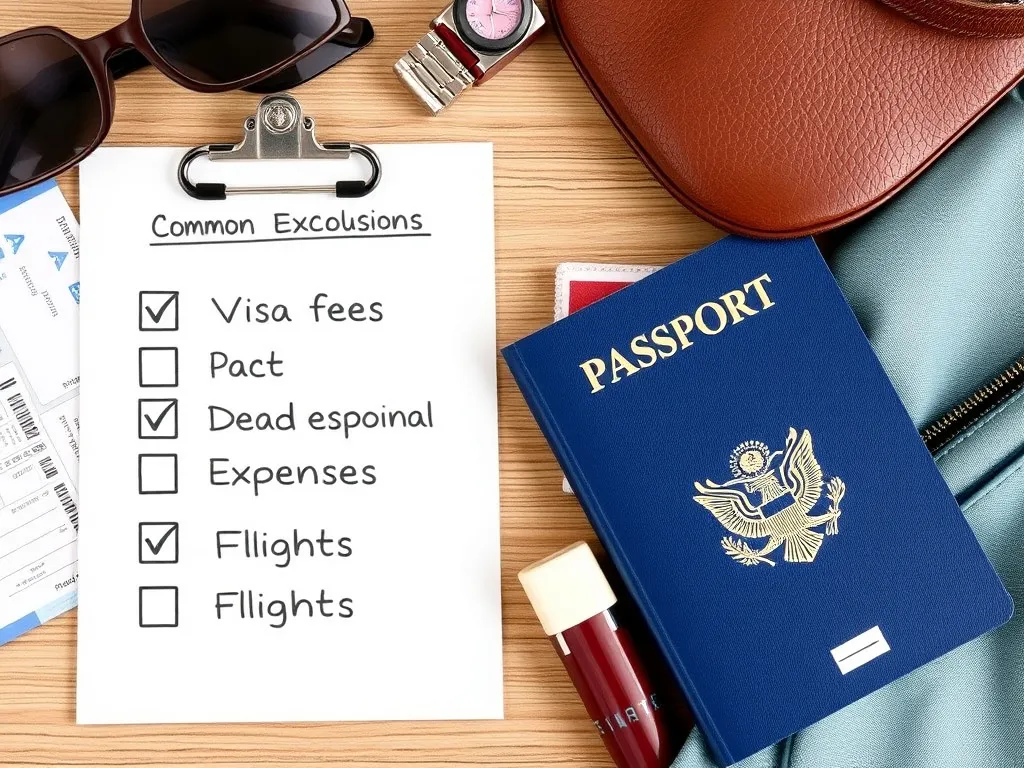
While many aspects are covered within the package, there are several exclusions patients should be aware of. Exclusions are not necessarily red flags; they simply indicate cost areas that vary too much to bundle, such as international travel or prolonged stays. By anticipating these, you can budget realistically and avoid last‑minute stress.
- Flights: International flights to and from Turkey are usually not included and must be arranged separately. Airfare can vary widely by season and departure city, so it’s prudent to check multiple dates and airlines. Flexible or refundable tickets can be valuable in case your surgeon recommends staying a few extra days. If you need to transport medical devices or medications, review baggage rules and carry supporting documents from your physician.
- Visa Fees: Costs related to getting a travel visa are generally excluded. Depending on your nationality, you may qualify for an e‑Visa or need to apply through a consulate. Clinics can sometimes provide invitation letters to support your application, but they do not pay the fee or guarantee approval. Verify processing times and ensure your passport validity meets entry requirements for Turkey.
- Personal Expenses: Day-to-day costs and personal shopping are not part of these packages. Plan for meals outside the hospital, local transportation, SIM cards or mobile data, laundry, and incidental purchases like toiletries or souvenirs. Tips for drivers, hotel staff, and interpreters are also typically at your discretion. Carry a small reserve of cash or a card with low foreign transaction fees for smooth day‑to‑day spending.
- Extended Accommodation: If recovery takes longer than expected, extra hotel nights may need to be paid for. Rate differences can be significant during holidays or peak tourist seasons, so ask your coordinator about average nightly costs near the hospital. Booking with a flexible cancellation policy offers peace of mind if your discharge date shifts. Consider travel insurance that includes trip extension coverage for medical reasons.
- Additional Tests: Diagnostic tests beyond the initial scope or extra specialist consultations. If the pre‑op assessment reveals issues requiring further investigation—such as advanced imaging, cardiac stress testing, or specialist clearances—these are often billed separately. Ask the hospital to estimate potential add‑on costs by scenario so you can set aside an appropriate contingency budget.
- Treatment for Secondary Conditions: Medical treatments for conditions not related to the original treatment plan. For example, managing an unexpected infection, addressing uncontrolled blood pressure, or treating an unrelated dental problem during your stay would usually incur separate fees. Clarify whether the hospital can coordinate such care and how payment is handled if you need a referral to a different department or facility.
- Intensive Care: Extensive post-surgery care may incur extra charges. Admission to the ICU, if medically necessary, is rarely included in basic packages because costs depend on duration, monitoring level, and medications or devices used. Ask for the daily ICU rate range and what it includes (ventilation, isolation, special medications) so you understand how a rare but serious complication might affect your budget.
- Additional Medications: Prescription drugs after discharge are usually not covered. Take‑home medications such as pain relievers, antibiotics, anticoagulants, or gastric protectants are typically purchased at a pharmacy. If you’ll need compression garments, mobility aids, or supplements, ask for an estimate to avoid surprises. Bringing a list of your regular medications and doses also helps prevent duplication and interactions.
Knowing these exclusions can help prevent complications later. As noted by Global Doctor Review , being clear on what’s not included is key to preparing for potential expenses. Request simple rate cards where possible, and ask how you’ll be notified—preferably in writing—before any optional out‑of‑scope services are added to your bill.
Evaluating and Choosing the Right Package
When comparing medical packages, request detailed written lists of both inclusions and exclusions. This makes it easier to evaluate offers side by side. Consider the following: ask for a sample itinerary with timing estimates, confirmation of the currency used for billing, and whether exchange rates or taxes could shift the total. If a package seems far cheaper than competitors, probe why: is it a shorter hospital stay, a shared room, or a different surgical technique? Transparent answers help you compare like‑for‑like.
1. Verify Provider Credentials
Confirm that the hospitals and doctors are accredited by recognized medical organizations. Credentials indicate a set standard of care and help reduce risks during procedures. Look for international accreditations (such as JCI) and national quality certifications, check the surgeon’s board status, years of experience, and case volumes for your specific procedure. If possible, review infection rates, revision rates, and complication statistics, and verify that anesthesiology, radiology, and laboratory services are supervised by qualified specialists.
2. Assess Package Transparency
Choose packages that offer a clear breakdown of included services with costs. Transparency helps avoid hidden fees and supports fair pricing. Ask providers to specify capped items (number of nights, transfer distances, dressing changes), common triggers for extra charges, and the unit prices for add‑ons you might realistically need. Request a pro forma invoice and clarify payment methods, deposit requirements, refund timelines, and whether credit card or bank transfer fees apply.
3. Compare Inclusions
Evaluate which packages include the services and support you consider essential. Some may offer additional perks like hotel accommodations that could influence your decision. Consider room category, companion policies, physiotherapy or rehabilitation sessions, compression garments, imaging, and extended interpreter hours. Balance value against your actual needs—if you won’t use hotel nights or spa benefits, a lower‑priced treatment‑focused option could be more sensible.
4. Understand Change Policies
Ask about the clinic’s policy on changes to the treatment plan after assessment and how those changes might affect cost and care. Inquire about fees for upgrading or downgrading procedures, rescheduling due to medical reasons or flight delays, and cancellations. Clarify whether price adjustments are made if the surgeon alters the technique for safety or efficacy, and confirm how unforeseen events (like ICU admission) are handled from both medical and financial standpoints.
5. Consider Aftercare
Aftercare is vital to successful recovery. Check whether the package includes follow-up visits and how they are organized. If complications arise, clarify how they are managed and the associated costs. Ask who provides remote support, the response time, and for how long follow‑up remains available after you return home. If you’ll need stitches removed or labs repeated locally, determine if the clinic can coordinate with your home doctor and share records in your preferred language.
Patient Experiences and Testimonials

Patient experiences can provide valuable insights into the effectiveness and credibility of medical packages. Many appreciate the comprehensive nature of these packages and report satisfaction with the clarity offered by reputable providers. The convenience of coordinating consultations, hotel logistics, and airport transfers is often highlighted as a major advantage. Patients who prepared thoroughly—by confirming procedure details, budgeting for exclusions, and arranging flexible flights—tend to report smoother recoveries and fewer unexpected costs. Common praise includes timely communication, modern facilities, and attentive nursing care.
However, potential patients are advised to review all documents and policies in advance and, if possible, speak to previous patients for detailed feedback. Ask former patients specific questions about what was included, whether any extras were needed, and how quickly the provider handled concerns. Online communities and independent review platforms can help you cross‑check impressions, but prioritize verified testimonials and references provided directly by the clinic to ensure authenticity.
Conclusion
Choosing the right medical package in Turkey is a critical step toward a successful medical tourism experience. By understanding the detailed components of the packages offered—both inclusions and exclusions—patients can help ensure their journey is as smooth as possible. The combination of international-standard medical care with thoughtfully designed support services makes Turkey an attractive destination for those seeking healthcare abroad. A careful, patient‑centered approach—verifying credentials, insisting on transparency, and aligning expectations with clinical advice—will help you select a plan that balances quality, comfort, and cost.
This guide aims to help patients approach medical tourism in Turkey with the knowledge and confidence needed to make informed decisions, prioritizing health and well-being above all else. Take time to read proposals closely, ask clarifying questions, and set aside a modest contingency fund for typical exclusions such as flights, extended hotel stays, or extra tests. The more you prepare ahead of time, the more you can focus on what matters most: a safe procedure and a smooth recovery.
For those considering this option, seek clear documentation, research your providers thoroughly, and prioritize your comfort and safety. Keep copies of your medical records handy, inform your home doctor about your plans, and consider travel insurance that covers medical travel. With thoughtful planning and the right team, a well-chosen package can transform a complex process into a coordinated, supportive experience from arrival to recovery.