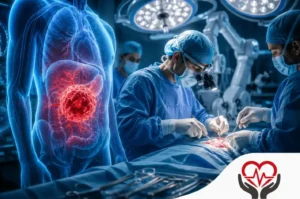

The Anesthesia and Resuscitation Department is dedicated to pain control and maintaining the patient’s vital stability during various surgical and medical procedures. This department manages every aspect related to preparing the patient for surgery, selecting the most appropriate type of anesthesia, closely monitoring the patient inside the operating room, and providing care during the recovery phase and in intensive care units.
What Is the Anesthesia and Resuscitation Department?
The Anesthesia and Resuscitation Department is a vital medical specialty that serves as a cornerstone of any surgical intervention or painful medical procedure. Its purpose is to eliminate pain completely and provide a safe environment for both the patient and the surgeon, ensuring the procedure is carried out successfully. The role of this department is not limited to the operating room; it also extends to intensive care units, pain management clinics, and rapid intervention in medical emergencies.
The success of modern and complex surgical procedures depends greatly on the remarkable advances in anesthetic medications and vital monitoring technologies, which have made surgery safer than ever for patients of all ages and medical conditions.
What Are the Responsibilities of the Anesthesia and Resuscitation Specialist?
The anesthesiologist is a specialist physician responsible for preserving the patient’s life and maintaining stable vital functions throughout the hospital stay for surgery. Their responsibilities are generally divided into three main stages:
- Before surgery: Assessing the patient’s overall health condition, reviewing medical history, examining laboratory test results, and discussing the available anesthesia options that best suit the case.
- During surgery: Administering anesthesia medications, continuously and directly monitoring vital signs such as heart rate, blood pressure, and blood oxygen levels, and adjusting dosages to ensure the patient remains stable and pain-free.
- After surgery (recovery): Safely stopping anesthesia medications, monitoring the patient in the recovery room until full consciousness is restored, confirming stable breathing and vital signs before transfer to the room, and establishing an effective pain control plan.
What Types of Anesthesia Are Used?
The type of anesthesia used varies depending on the kind of surgical procedure, its duration, and the patient’s overall health. The main types include:
- General Anesthesia: Affects the brain and the entire body. The patient becomes fully unconscious, feels no pain, and remembers nothing about the procedure. It is used in major surgeries such as heart, abdominal, and brain operations.
- Regional Anesthesia: Used to numb a large area or part of the body, such as the lower half or a whole arm, by injecting the anesthetic near a group of nerves. The patient remains awake but feels no pain in the targeted area. Common examples include epidural anesthesia and spinal anesthesia.
- Local Anesthesia: Used to numb a very small and specific area of the body for minor surgeries or simple medical procedures, such as wound suturing or dental work.
- Conscious Sedation: Sedative and pain-relieving medications are given to help the patient relax and reduce anxiety during uncomfortable medical procedures, such as endoscopy. The patient may become sleepy but can be awakened easily.
How Is Anesthesia Prepared for Before Surgery?
Proper preparation for anesthesia reduces risks and helps ensure a safe procedure. Preparation usually includes the following steps:
- Medical evaluation: Meeting with the anesthesiologist to review medical history, medication allergies, and previous surgical procedures.
- Fasting: The patient is usually asked to stop eating and drinking for a specific period, often 6 to 8 hours before scheduled surgery, to prevent stomach contents from entering the lungs during anesthesia.
- Medication adjustment: Stopping or modifying the doses of certain regular medications, such as blood thinners or diabetes medications, according to the physician’s instructions.
- Comprehensive tests: Performing the required investigations, such as blood tests, an electrocardiogram (ECG), or a chest X-ray, to confirm that the body is ready for anesthesia.
The Role of Resuscitation and Intensive Care (ICU)
The specialty of resuscitation is closely linked to intensive care. Anesthesia and resuscitation physicians manage and treat critically ill patients who require advanced life-support measures.
This includes patients who have undergone major and complex surgeries, as well as those suffering from severe trauma or failure of vital organs, such as respiratory or cardiac failure. In the intensive care unit, advanced equipment such as mechanical ventilators and circulatory support systems is used under close and continuous supervision to ensure the patient’s stability and safe passage through the critical stage.
Postoperative Pain Management
Pain management is an integral part of comprehensive care within the anesthesia department. Effective pain control not only provides comfort to the patient, but also accelerates recovery, reduces the risk of complications such as chest infections or blood clots, and allows the patient to move and mobilize earlier.
A variety of methods are used to relieve pain after surgery, including oral painkillers, patient-controlled intravenous analgesia (PCA), and the continued use of local or regional anesthesia techniques, such as an epidural catheter, for several days after the operation. Each pain management plan is tailored individually to meet the specific needs of the patient.