As medical tourism grows, Turkey has become a leading destination for surgeries and specialized treatments. A key part of planning is the pre-op consultation, now commonly held online for international patients. This guide explains how virtual consultations streamline care, from assessing candidacy and timelines to arranging travel, accommodation, and recovery. Turkish providers have invested in secure digital tools, multilingual coordinators, and accredited facilities, enabling you to compare surgeons, understand risks and expected results, and clarify your role in a safe recovery—before you book a flight. By setting expectations early, virtual consultations make your arrival smoother and your treatment more predictable.
Understanding Virtual Pre-Operative Consultations

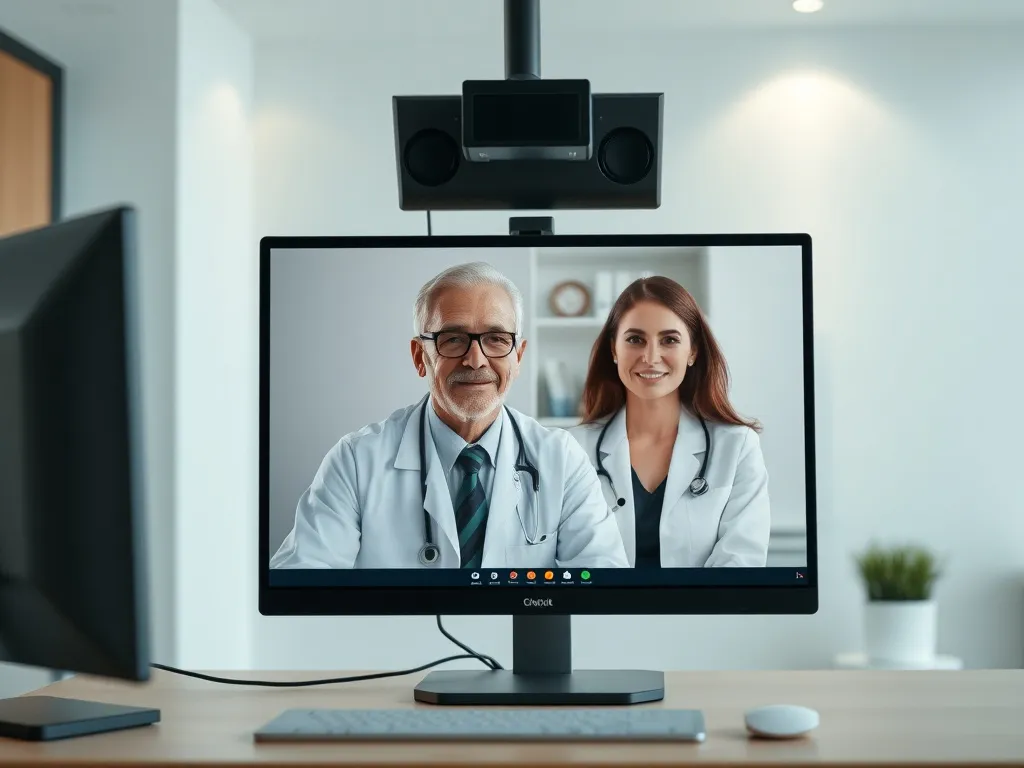
Virtual pre-operative consultations connect you with your surgeon via platforms like Zoom, Skype, or clinic portals to review medical history, current health, and surgical goals. You may share photos, imaging, or scans, discuss desired outcomes and limitations, and receive asynchronous materials—secure messages, videos, or documents—to review at your pace. Clinics commonly provide interpreters or bilingual staff and use encrypted systems with consent procedures that meet local regulations. The result is a thorough, two-way exchange that mirrors an in-person visit while giving you flexibility to prepare.
Step-by-Step Virtual Consultation Process
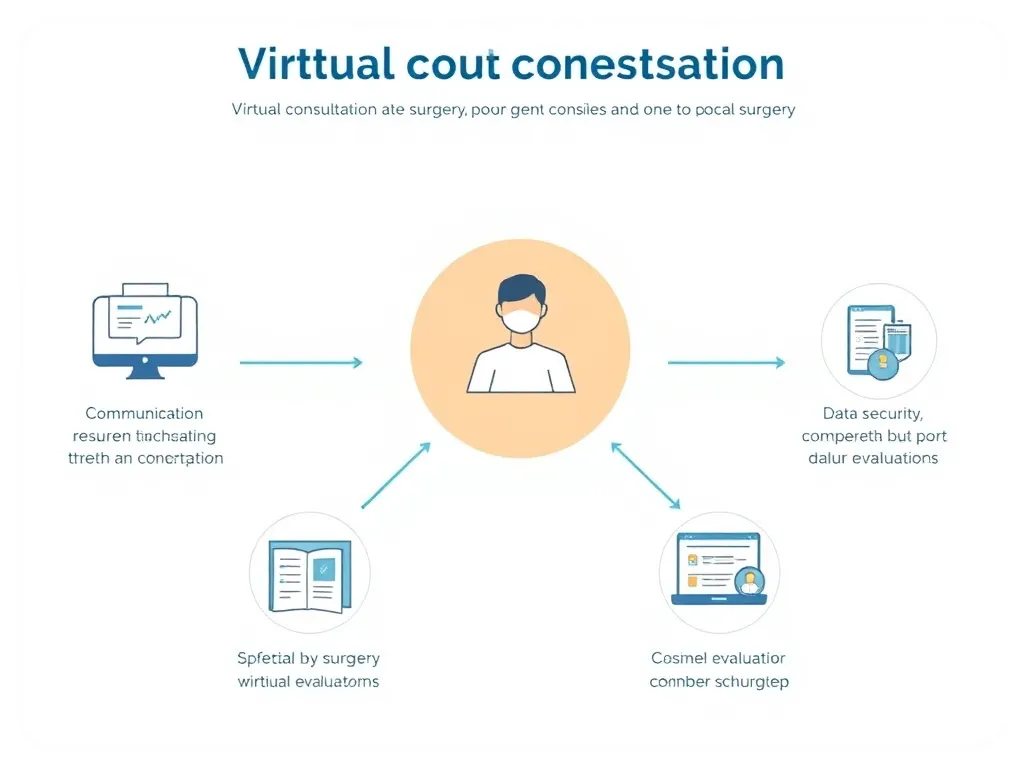
- Initial Contact: You reach out by form, email, or messaging app and are assigned a patient coordinator. A short health questionnaire covers allergies, medications, prior surgeries, chronic conditions, lifestyle factors, family history, anesthesia issues, and goals. Clinics explain data protection, request consent, and outline review timelines, consultation slots, and tentative surgery windows. Mention insurance or financing preferences early so the team can advise on documentation and billing.
- Photo Submission: You send clear photos of the relevant area so the surgeon can evaluate candidacy and plan. Typical guidance: good lighting, multiple angles, no filters, and scale if size matters. Orthopedic cases may require X-rays, MRIs, or CTs; dental cases often include panoramic X-rays and intraoral photos. Secure portals preserve quality, and short videos (e.g., range of motion) can help. Accurate visuals enable realistic planning and flag the need for any pre-travel tests.
- Surgeon Review: The surgeon—often with input from anesthesiology or radiology—assesses your health, BMI, prior scars, and objectives, and may suggest optimization: blood pressure or glucose control, medication adjustments, or smoking cessation. They may request local evaluations such as an ECG, blood work, imaging, or dental clearance. If an alternative procedure better suits your goals, they explain the rationale and options. This collaborative review reduces surprises and improves safety.
- Virtual Meeting: On a video call, you discuss the procedure, risks, benefits, alternatives, anesthesia, technique, hospital stay, pain control, scarring, and materials used. Logistics—length of stay in Turkey, caregiver needs, and follow-up (in-person plus virtual)—are clarified. A coordinator or interpreter may join to cover package details, payment milestones, cancellation policies, and what’s included (e.g., transfers, hotel, garments). Expect clear visuals and a tailored plan aligned with your priorities.
- Consultation Summary: After the call, you receive a written summary with a draft plan, itemized costs, and pre-op instructions. It outlines what is included/excluded, expected surgery date and duration, and recommended length of stay. You’ll get a checklist (fasting, medication pauses, smoking timelines, items to bring), sample itinerary (arrival, tests, surgery, recovery, final check), digital consent forms, and contact details for support. Any pending items—like lab results or insurance approvals—are noted with next steps.
Benefits of Virtual Communication with Turkish Doctors
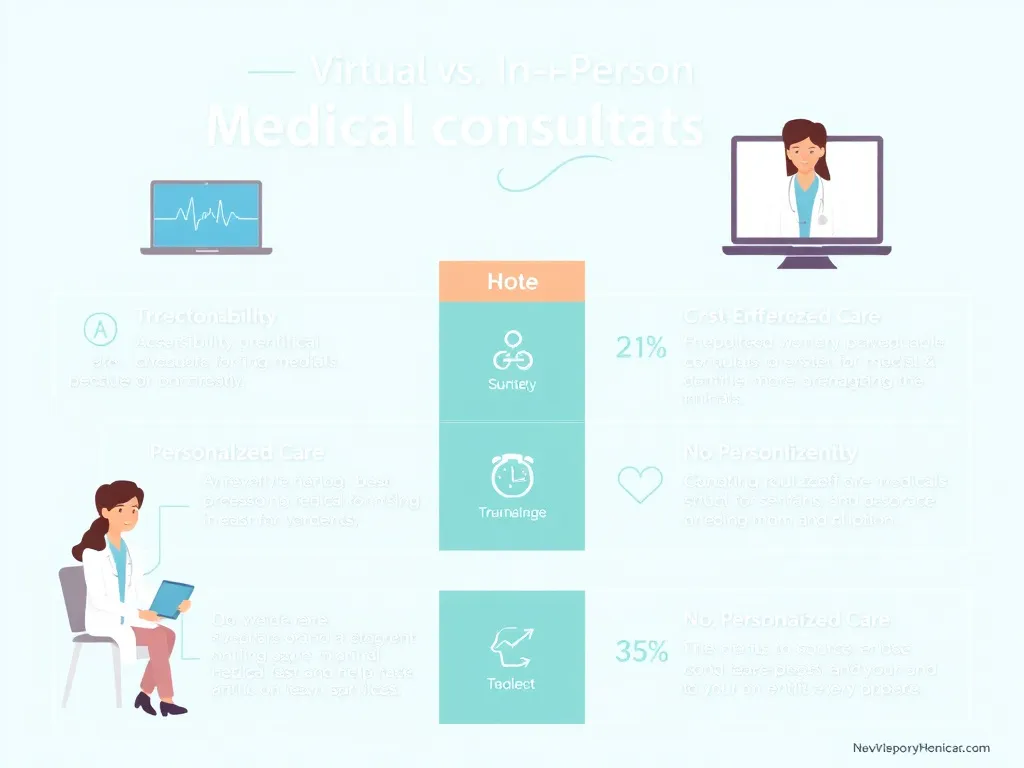
Virtual consultations reduce early friction and cost, letting you compare clinics and subspecialists from home and include family or caregivers in decisions. Combined with Turkey’s strong medical ecosystem, this approach produces more confidence, better preparation, and smoother surgical journeys.
- Accessibility: Speak with leading Turkish specialists without initial travel, saving time and money—especially helpful if mobility or distance is a challenge. You can quickly find targeted expertise, such as revision surgery specialists, and decide whether a trip is warranted before committing resources.
- Convenience: Flexible scheduling across time zones and secure follow-up messaging make preparation easier. Clinics share educational materials to review between calls, and loved ones can join remotely so your support system understands postoperative needs.
- Cost-effectiveness: Skipping exploratory travel lowers overall expenses. Early clarity on tests, stay length, and logistics helps you book flights and accommodation confidently and complete any needed pre-op labs at home to finalize plans before arrival.
- Transparency: Detailed discussions and written summaries set realistic expectations. You can review similar cases, alternative treatments, training credentials, facility accreditation, and clear cost breakdowns—reducing misunderstandings and surprises.
- Personalized Care: Your plan reflects medical history, preferences, and practical needs at home. Surgeons can anticipate allergies, cultural or religious considerations, mobility concerns, and communication preferences, tailoring both treatment and instructions.
Addressing Common Misconceptions
Some worry virtual consultations feel impersonal or can’t replace a physical exam, or they fear technical hurdles. In practice, they are an efficient first step that builds rapport, clarifies facts, and prepares you for an in-person evaluation in Turkey. Thoughtful virtual planning enhances, rather than replaces, hands-on assessments.
Misconception 1: Virtual Consults Are Impersonal
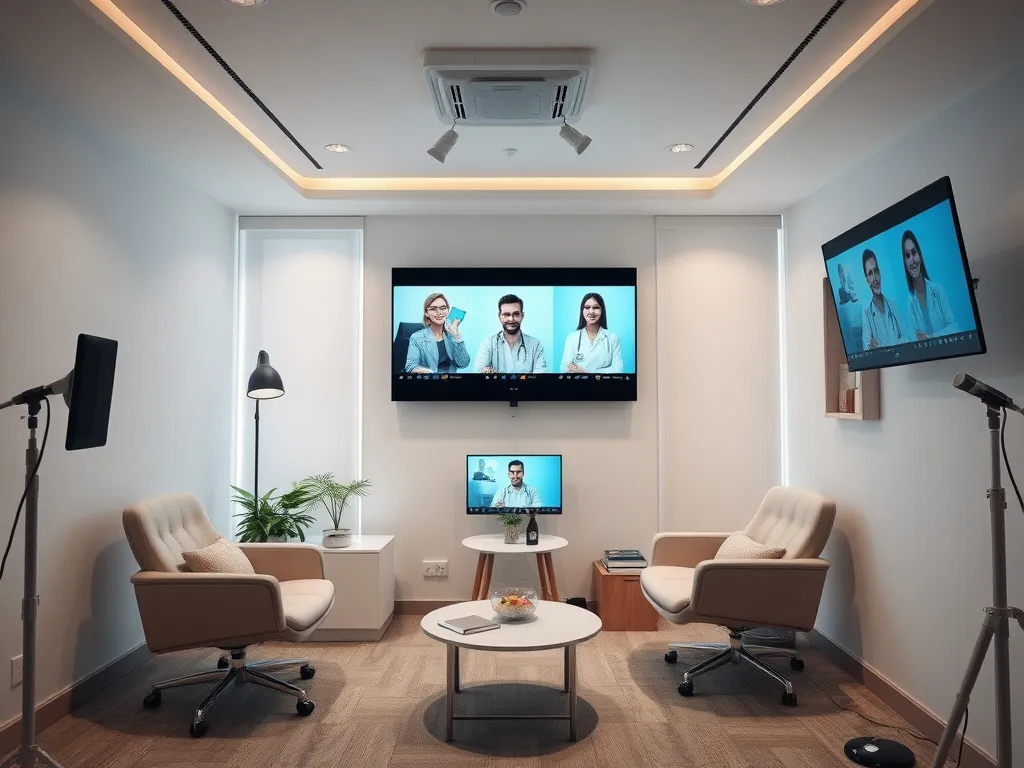
Virtual visits often encourage better preparation and deeper questions, yielding customized guidance. Surgeons allot time, use visual aids, and welcome follow-up messages; family or translators can join to create a supportive environment. Simple tips—eye-level camera, good lighting, and note-taking—make the conversation natural. Over multiple touchpoints, genuine rapport forms and carries into on-site care.
Misconception 2: Lack of Medical Examination
While a physical exam remains essential, virtual consults allow review of history, photos, and imaging, and can include guided movements to assess function. Many pathways pair the virtual visit with local pre-op tests so the plan is precise. A comprehensive in-person assessment in Turkey confirms candidacy and fine-tunes details before proceeding.
Misconception 3: Technical Barriers
Clinics use simple platforms and offer clear instructions and backup contacts. You can test equipment beforehand, switch to audio if needed, or reschedule without penalty. Captioning, interpreters, and time-zone-aware scheduling further reduce friction, making the process straightforward even for first-time users.
Setting Up Virtual Consultations Efficiently
Choosing the Right Technology
Use a stable internet connection and a device with a working camera and microphone. Choose a quiet, well-lit space, elevate your device to eye level, and consider headphones for clarity and privacy. Close unused apps, keep your device powered, update the platform, and test audio, video, and document access beforehand. A brief tech check lets you focus on the discussion.
Pre-Consultation Checklist for Patients
- Gather Necessary Information: Compile medical records, test results, imaging, allergy lists, and current prescriptions (including supplements). Organize files in a single folder or PDF for easy sharing so the surgeon can give specific, actionable advice.
- Prepare Questions: List questions on surgeon experience, facility accreditation, anesthesia, pain control, contingency plans, what’s included in pricing, stay length, and follow-up once home. If implants are involved, ask about brands, warranties, and maintenance.
- Test Equipment: Check internet stability and practice with your video platform. Verify you can join, mute/unmute, and adjust the camera if anatomy needs to be shown. Keep a backup device or phone line ready.
- Find a Quiet Space: Choose a private, well-lit area, keep documents nearby, and have a notepad ready. Let others at home know your appointment time to avoid interruptions.
Communication Tools and Platforms Commonly Used

Turkish providers balance security and ease of use by combining mainstream video tools with secure portals for files and messaging. Before sending sensitive data, confirm the clinic’s privacy practices and encrypted channels for images, scans, and lab results.
- Zoom and Skype: Widely accessible and easy to use, with waiting rooms, screen sharing, and sometimes captions. Surgeons can display imaging and annotate plans, keeping the focus on clinical details rather than tech complexity.
- Dedicated Healthcare Apps: Many clinics offer apps with secure messaging, e-signatures, reminders, and procedure-specific checklists—often with multilingual interfaces or integrated translation. Centralized records streamline the journey from pre-op to follow-up.
- WhatsApp and Email: Useful for quick clarifications and preliminary photos before moving to secure portals. Follow clinic guidance on privacy and file quality, verify official contacts, and minimize sensitive data sharing on non-encrypted channels.
Conclusion: Enhancing Patient Experience Through Virtual Consultations
Virtual pre-operative consultations now anchor medical tourism in Turkey by removing distance barriers, improving access to experts, and enabling informed decisions from home. They complement, not replace, in-person assessments: when you arrive, the team already understands your goals and health history, making on-site testing and exams more efficient.
As comfort with digital care grows, clinics are expanding remote education, optimization programs, and app-based follow-up for wound checks, medication reminders, and tele-nursing. This continuity lets the same team guide your preparation, surgery, and recovery across borders, enhancing safety and outcomes.
Before booking, choose accredited centers and experienced clinicians. Verify licenses, hospital accreditation, and safety protocols, and evaluate how clearly the team communicates risks, benefits, and costs. Transparency, responsiveness, and a structured plan signal you will be well supported from first message to final post-op check.