

Autism Spectrum Disorder (ASD) includes social, communication, and behavioral difficulties, affecting around 1 in 54 children globally. With no conclusive cure, the quest for effective treatments continues. Recently, Mesenchymal Stem Cell (MSC) -based therapies have attracted attention as promising options that address core neurobiological issues rather than just relieving symptoms. Families and clinicians are motivated by a complex reality: ASD is highly heterogeneous, often accompanied by co-occurring conditions such as epilepsy, sleep disturbance, gastrointestinal challenges, anxiety, and sensory processing differences. Traditional supports like behavioral therapies, speech and occupational therapy, and educational interventions remain foundational and help many children progress, yet there is still a pressing need for new strategies that may address underlying biological contributors to symptoms. Medications can be valuable for specific concerns like irritability or attention, but they typically do not modify the trajectory of core social-communication features. As a result, a cautious, evidence-informed curiosity has grown around biologically targeted approaches, including cell-based interventions, that might gently recalibrate neuroimmune pathways implicated in ASD. The appeal lies not in the promise of a cure—which responsible clinicians and researchers do not claim—but in the possibility of improved day-to-day functioning, greater participation in learning and relationships, and a tangible reduction in distress for both children and their families.
Introduction to Stem Cell Therapy for Autism
Stem cell therapy involves delivering stem cells to repair or replace damaged cells in the body. For autism, this method targets neuroinflammation, synaptic issues, and imbalanced neuroimmune responses. These therapies utilize the unique immune-regulating and anti-inflammatory traits of Mesenchymal Stem Cells, examined in both preclinical and early-phase clinical trials. In the broader scientific context, stem cells come in several forms—embryonic stem cells, induced pluripotent stem cells, hematopoietic stem cells, and mesenchymal stem cells—each with distinct capabilities and safety considerations. MSCs have risen to prominence in ASD research because they can be sourced from bone marrow, adipose tissue, or perinatal tissues like umbilical cord and Wharton’s jelly, and because they exhibit a favorable safety profile in many other medical applications. Rather than becoming new neurons en masse, MSCs are thought to help by releasing bioactive molecules that quiet overactive immune signals, calm microglia and astrocytes, and nurture the brain’s natural capacity to rewire and heal. Delivery methods vary by study design, with intravenous and intrathecal routes most commonly explored; both approaches aim to expose neural and immune tissues to the cells’ signaling molecules, though optimal routes and dosing schedules remain active areas of investigation. Importantly, researchers are also exploring MSC-derived extracellular vesicles, sometimes referred to as exosomes, as a potential cell-free alternative that may capture many of the same beneficial signals while simplifying storage and standardization. Each of these avenues is framed not as a stand-alone solution, but as one potential component of a comprehensive care plan that includes behavioral, educational, and family supports.
How It Works
Studies highlight several ways through which MSCs may help reduce ASD symptoms. According to Springer Nature , MSCs release active factors that control inflammation, boost neurogenesis, and support synaptic flexibility. These include neurotrophic factors that promote nerve growth and neural circuit restoration. Specifically, MSCs can regulate the gut-brain connection, enhance brain blood flow through new blood vessel formation, and decrease oxidative stress, collectively aiding improvements in behavioral and cognitive functions.
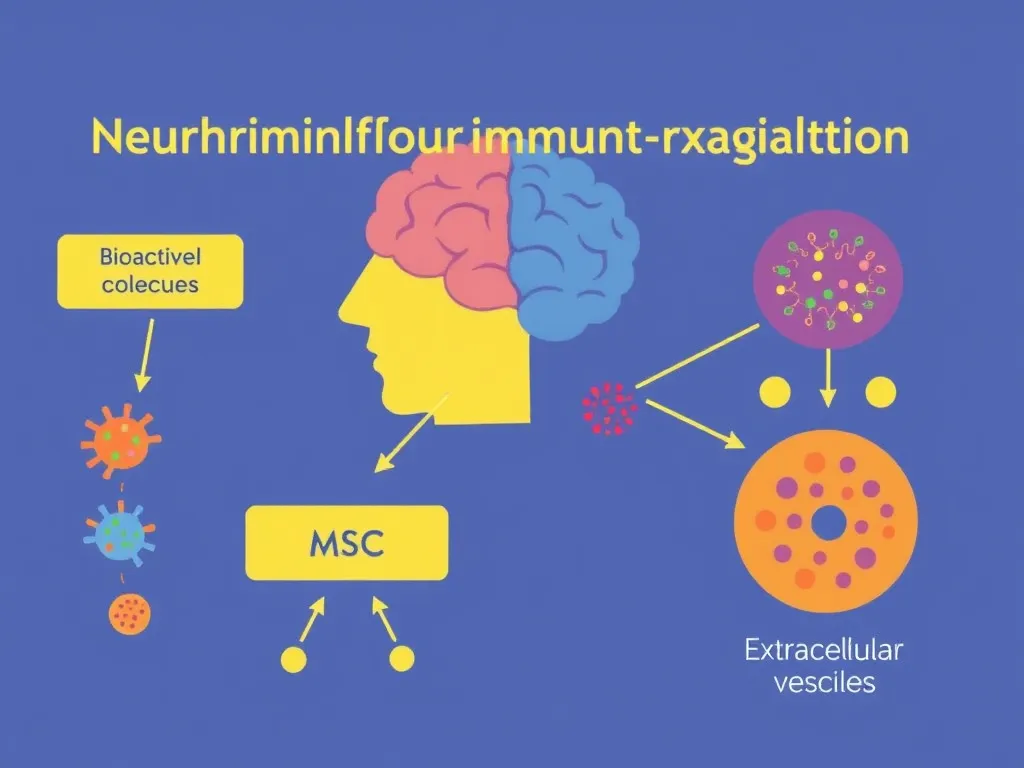 At the cellular level, MSCs are known to secrete a portfolio of molecules such as brain-derived neurotrophic factor (BDNF), glial cell line–derived neurotrophic factor (GDNF), nerve growth factor (NGF), vascular endothelial growth factor (VEGF), hepatocyte growth factor (HGF), and insulin-like growth factor 1 (IGF-1). These signals support synaptic plasticity—the brain’s ability to strengthen or prune connections based on experience—while also encouraging angiogenesis that may improve regional cerebral perfusion. In parallel, MSCs appear to tilt the immune balance toward resolution of inflammation: they can upregulate anti-inflammatory cytokines like interleukin-10 (IL-10) and downregulate pro-inflammatory mediators such as tumor necrosis factor alpha (TNF-α) and interleukins IL-1β and IL-6. In animal models, this shift is associated with microglia moving from a pro-inflammatory “M1-like” state to a more reparative “M2-like” state, which in turn correlates with improved social interaction and learning behaviors. Beyond soluble factors, MSCs communicate through extracellular vesicles enriched with microRNAs and proteins that influence gene expression in recipient cells. Early research suggests that microRNAs such as miR-21 and miR-146a may modulate NF-κB signaling, a master regulator of inflammatory responses, potentially dampening chronic neuroinflammation implicated in ASD pathophysiology. Another proposed mechanism is mitochondrial transfer, in which MSCs donate healthy mitochondrial components to stressed cells via tunneling nanotubes or vesicles, helping restore cellular energy production and reduce oxidative stress. Because oxidative stress has been linked to attention variability, sleep disturbance, and sensory reactivity in ASD, even modest improvements at this level could reverberate through multiple functional domains. The gut-brain axis is also part of this picture. Dysbiosis—an imbalance of gut microbial communities—has been observed in subsets of autistic individuals and is associated with gastrointestinal complaints and systemic inflammation. MSCs may support mucosal healing, improve barrier integrity, and indirectly influence microbial composition and metabolites such as short-chain fatty acids. Families sometimes report downstream benefits in comfort, regularity, and behavior when gut inflammation subsides. It is worth noting that most of these mechanisms work through paracrine signaling—the cells act like small “bioreactors” that release helpful cues rather than replacing large swaths of tissue. Because of this, the timing, dose, and frequency of administration likely matter, as does the overall health context of the child, including sleep, nutrition, and ongoing therapies. Researchers are beginning to track objective biomarkers—cytokine panels, oxidative stress markers, EEG features, and imaging measures—to better match specific biological patterns with the children most likely to benefit. As data accumulates, the field anticipates moving toward individualized protocols that complement behavioral and educational programs instead of attempting to supplant them.
Success Stories and Patient Testimonials
Case Study: Remarkable Recovery Over Time
An impressive case study published in Cureus details the journey of a boy with severe autism and epilepsy who underwent multiple MSC therapy sessions. After the initial MSC infusions, notable progress was seen: stopping of seizures, improved social interactions, and clear emotional expression. His experience underscores the potential of MSC therapy to improve quality of life for those with severe ASD.
 Over subsequent months, the report describes a sequence of changes that many families would recognize as meaningful: more consistent eye contact, increased tolerance of transitions, and a new capacity to join family routines. Caregivers and clinicians observed that he began to use gestures and vocalizations more purposefully, and periods of agitation shortened in duration and intensity.
 Educational staff documented greater engagement during structured tasks, with more time on activity and fewer behavioral interruptions. Neurophysiological assessments, including EEG, reportedly reflected stabilization concurrent with the cessation of seizures, suggesting that the immune-modulatory and neurotrophic effects of MSCs could have influenced cortical excitability. That said, the authors were appropriately cautious, noting that this was a single case, open-label intervention without a control group, and that other variables—medication adjustments, maturation, and ongoing therapies—could have contributed to the gains. Still, the boy’s path points to what may be achievable for a subset of children when biological and behavioral supports align: tangible improvements in safety, participation, and communication that expand a child’s world. For clinicians, the case also emphasizes the importance of careful documentation, multidisciplinary follow-up, and transparent discussion of uncertainties so families can make informed decisions as research advances.
“My son’s ability to communicate and interact socially was unimaginably improved,” noted the boy’s mother after the treatments. “The changes are beyond what we ever hoped for.” She added, “He smiles more, reaches for us, and even initiates simple games with his sister. Our home feels calmer, and the progress has given us the confidence to plan for school and community activities we once thought were out of reach.”
Personal Accounts: A Path to Hope
In another example, parents of an 8-year-old girl who received stem cell therapy noted improvements in her ability to maintain eye contact, follow directions, and interact with peers. They expressed their satisfaction with the treatment progress, reflecting the therapy’s potential despite the high costs involved. Prior to treatment, the family described daily hurdles that will be familiar to many—overwhelm in noisy spaces, difficulty transitioning between tasks, limited tolerance for new foods, and restless nights that left everyone exhausted. Within a few months of the MSC infusions, they reported subtle but steady gains: the girl began pausing to listen when spoken to, responded to her name more reliably, and showed curiosity about classmates’ activities. Her teachers noticed more consistent participation during group time and better imitation of modeled actions, a key early learning skill. At home, sensory routines became smoother, with fewer meltdowns during bathing and dressing, and a new willingness to try different textures at mealtimes. Sleep consolidated into longer stretches, which the parents felt amplified the benefits of her daytime therapies by improving attention and regulation. The family emphasized that MSC therapy was not a cure-all; speech remained limited and some social boundaries still needed coaching. Yet the combination of biological and behavioral progress translated into a higher quality of life. They also discussed practical considerations that frequently shape decisions around emerging therapies: travel to a qualified center, time away from work, and financial planning for a series of infusions. With their clinical team, they set clear goals and tracked changes using standardized measures alongside daily observations, which helped them separate true gains from natural fluctuations.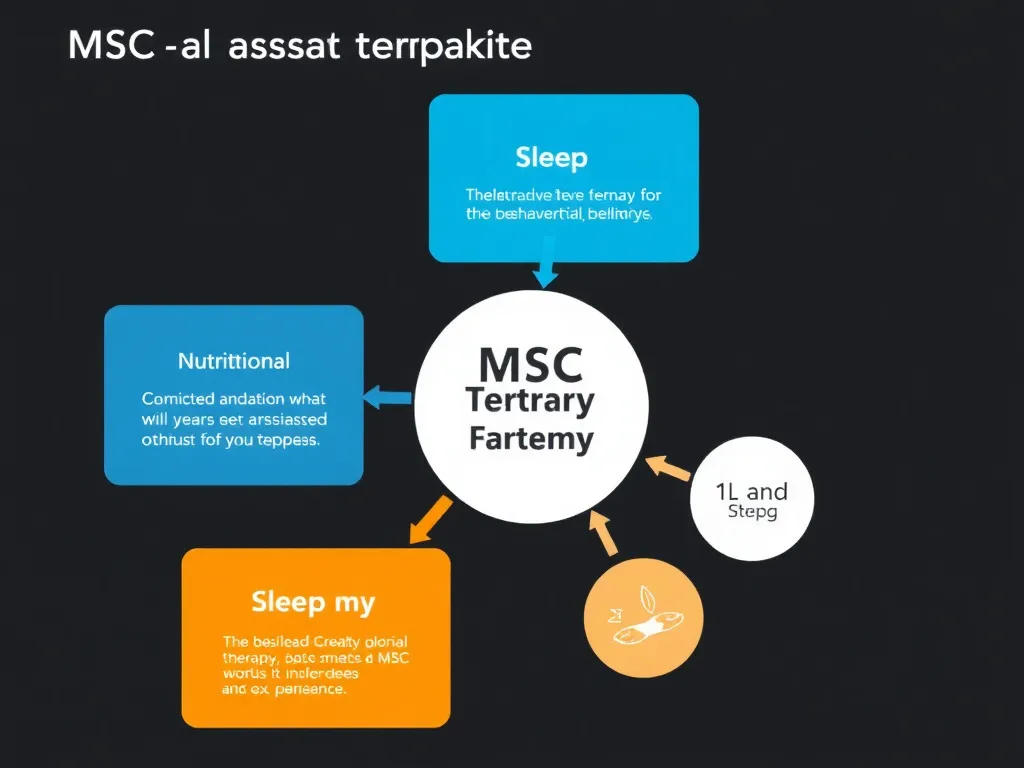 Their message to other families was measured and compassionate—do the homework, consult trusted professionals, beware of overly certain promises, and, if pursuing treatment, embed it within a supportive framework that includes school collaboration, therapies, and community engagement.
Expert Opinions and Future Trends
Insights from Leading Researchers
Experts in the field acknowledge stem cell therapy’s potential while advising caution. A review in the Stem Cell Therapy & Clinical Research journal stresses the need for rigorous randomized controlled trials to establish efficacy and safety. Dr. Elaine Henderson, a leading stem cell researcher, comments, “The preclinical data is compelling, but rigorous clinical confirmation remains crucial.” Early-phase trials in ASD, many of them small and open-label, have focused primarily on safety and feasibility. Across these studies, MSC infusions have generally been well tolerated, with transient side effects like low-grade fever, irritability, or mild headache reported in a minority of participants. Despite encouraging signals—improvements on caregiver-reported scales or clinician observation—researchers emphasize that placebo effects, rater expectations, and the natural variability of ASD symptoms can confound interpretation when blinding and controls are absent. Therefore, the field is moving toward multi-site, double-blind, placebo-controlled designs that incorporate objective biomarkers and standardized endpoints such as the Autism Diagnostic Observation Schedule (ADOS), Social Responsiveness Scale (SRS), Aberrant Behavior Checklist (ABC), and adaptive behavior measures like the Vineland. Dr. Henderson and colleagues also highlight the importance of “endotyping,” or grouping participants by biological features that may predict response—immune profiles, markers of oxidative stress, EEG signatures, or patterns of gut inflammation—rather than assuming a one-size-fits-all effect across the spectrum. From a manufacturing standpoint, they call for robust good manufacturing practice (GMP) procedures, consistent donor screening, potency assays that correlate with clinical outcomes, and attention to cell senescence and batch-to-batch variability. Regulators are asking for clear release criteria, validated characterization methods, and long-term safety surveillance plans, especially when therapies are administered to children. Investigators are likewise exploring MSC-derived exosomes as a promising cell-free approach that could simplify dosing and storage while potentially lowering the risk of rare complications, though exosome manufacturing and quality control must meet the same high bar. Looking ahead, experts anticipate combination strategies—pairing MSCs with behavioral interventions timed to periods of enhanced neuroplasticity, or integrating nutritional and sleep optimization to maximize gains—while continuing to test dose, frequency, and route of administration to determine the most effective and practical regimens.
Challenges and Considerations
While the therapeutic promise is significant, challenges exist, including ethical concerns, regulatory adherence, and individual differences in treatment responses. This variability is affected by diverse trial designs and small sample sizes, as discussed in the Raising Children Network . Future plans therefore focus on standardizing treatment procedures and exploring long-term effects through more clinical trials. A pressing concern is the rise of “stem cell tourism,” in which families travel to clinics that may not follow rigorous standards for cell sourcing, processing, or outcome tracking. Without transparent protocols and oversight, products labeled “MSC therapy” can differ substantially in cell type, dose, viability, and purity, making claims difficult to evaluate and complicating comparisons across studies. Ethical practice demands clear informed consent, realistic discussion of uncertainties, and avoidance of guarantees; families should be wary of marketing that suggests universal success or uses high-pressure sales tactics. Cost is another barrier. Because most insurers do not cover experimental cell therapies, families face out-of-pocket expenses not only for treatment but also for travel, accommodation, and time away from work. This raises questions of equity and access that the field must address so that advances do not benefit only those with substantial means. On the medical side, even therapies with favorable safety profiles can carry risks. Intravenous administration of cells may very rarely be associated with transient respiratory symptoms or, if poorly prepared, infusion reactions; intrathecal procedures can cause headache or, in unusual cases, inflammatory responses. Although tumor formation is not a typical concern with properly characterized MSCs, rigorous donor screening and manufacturing quality are essential to minimize infectious and immunologic risks. Just as importantly, not every child will respond, and some may show mixed or minimal change. The heterogeneity of ASD—encompassing diverse genetics, environmental influences, and developmental trajectories—means that any single intervention is unlikely to help all individuals in the same way. This underscores the need for standardized outcome measures, careful documentation of concomitant therapies, and sufficient follow-up to understand sustainability of effects. As the evidence base grows, collaborative registries and data sharing can accelerate progress by harmonizing methods and enabling meta-analyses. Families and clinicians can contribute by participating in well-designed trials, reporting outcomes consistently, and advocating for funding that prioritizes rigorous science over hype. In the meantime, integrating any emerging biological therapy with proven supports—speech-language therapy, occupational therapy, educational accommodations, and caregiver coaching—remains the most practical path to meaningful improvement.
Conclusion
Stem cell therapies could reshape the landscape of autism treatment. While promising, they need further scientific examination to fully comprehend their capabilities and boundaries. As research moves forward, it remains crucial for families and healthcare providers to stay informed and cautiously hopeful about emerging treatments that offer hope for transformative change in the lives of those affected by autism. Practical steps can help guide decisions: consult a trusted pediatrician or neurologist who understands both ASD and regenerative medicine; review study protocols carefully and look for independent ethics approval; favor trials with clear inclusion criteria, objective endpoints, and plans for long-term follow-up; and keep expectations grounded in the reality that progress is often incremental. Red flags include guarantees of cure, pressure to commit quickly, a lack of transparency about cell source and manufacturing, or reluctance to share safety data. Families can also track changes methodically—using sleep logs, communication samples, behavior scales, and teacher feedback—to distinguish true gains from natural variability. By pairing rigorous science with compassion, and by weaving biological advances into the fabric of established supports, the community can move toward care that respects neurodiversity, reduces distress, and amplifies each person’s strengths. The story of MSC therapy in autism is still being written; with careful research, open collaboration, and patient-centered values, it may become a chapter marked by safer options, clearer guidance, and more opportunities for children and adults on the spectrum to thrive.