

Traveling abroad for medical care does not end when the procedure is completed or when you leave the hospital. For international patients, a safe recovery also depends on what happens after discharge: understanding medications, protecting the surgical site, knowing when it is safe to travel, arranging follow-up appointments, transferring medical records, and making sure the medical team in Turkey can communicate with healthcare professionals at home.
Medical disclaimer: This article is for general educational purposes and does not replace the discharge instructions or personalized advice provided by your treating physician. Recovery timelines, medication plans, wound care, travel restrictions, and warning signs vary according to the procedure and the patient’s medical condition.
Post-Treatment Care at a Glance
A well-organized aftercare plan should answer five questions before an international patient leaves the treating facility: What medications should I take? What symptoms should I expect? Which symptoms require urgent medical attention? When should I have my next follow-up? And who should I contact after I return home?
International patients should also leave with a clear medical record, a plan for local follow-up when needed, and procedure-specific travel advice. The CDC Yellow Book guidance on medical tourism recommends planning follow-up care, obtaining copies of overseas medical records, and discussing how possible complications will be managed after returning home.
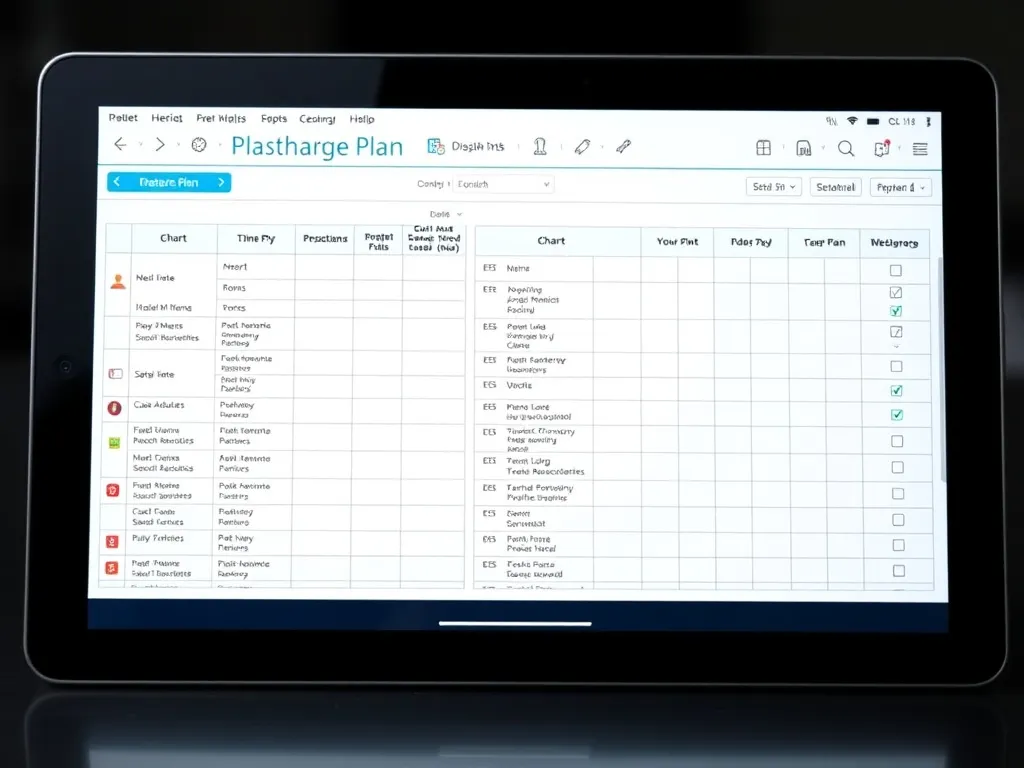
What Is Post-Treatment Care for International Patients?
Post-treatment care, also called aftercare or follow-up care, includes the medical and practical support a patient may need after a procedure, hospitalization, diagnostic intervention, or other course of treatment. It can begin before discharge and continue for days, weeks, or months depending on the type of care received.
For someone treated abroad, aftercare also involves a transition between healthcare systems. Your surgeon or specialist in Turkey may know the details of the procedure, while a doctor, nurse, physiotherapist, or pharmacist in your home country may later manage part of the recovery. Clear transfer of information helps these professionals work from the same treatment plan.
The World Health Organization describes transitions of care as points when patients move between healthcare professionals, locations, or care settings. Effective transitions require communication, coordination, and attention to both clinical and practical needs. Read the WHO guidance on transitions of care.
Patients who are still planning their treatment in Turkey should ask about post-treatment communication before choosing a hospital or treatment program, not after the procedure has already taken place.
Why Aftercare Matters After Medical Treatment Abroad
Every medical or surgical procedure has a recovery phase. For international patients, that phase may involve additional challenges such as a long journey home, time-zone differences, language barriers, unfamiliar medication brands, insurance rules, and physical distance from the original treating team.
A structured plan reduces uncertainty. It helps the patient understand which symptoms are expected, when to contact the treating team, what information a local physician may need, and how to avoid gaps in medication or follow-up testing. It also makes it easier to respond quickly if a new concern develops.
Aftercare should be individualized. A patient recovering from cosmetic surgery may have different restrictions from a patient recovering from joint replacement, bariatric surgery, cancer treatment, a cardiac procedure, or organ transplantation. General online advice should never override procedure-specific instructions from the treating team.
Before Leaving the Hospital in Turkey: Your Discharge Checklist
The best time to organize follow-up is before discharge. Do not assume that every piece of information will automatically follow you home. Ask the treating facility which records are available electronically, which documents can be translated, and who can be contacted if your local doctor has questions.
| What to Request | Why It Matters |
|---|---|
| Discharge summary | Explains the diagnosis, procedure, hospital course, and immediate follow-up plan. |
| Medication list | Should include generic names, doses, timing, duration, and any important precautions. |
| Operative or procedure report | Helps another clinician understand exactly what was performed. |
| Laboratory, pathology, and imaging reports | Allows local clinicians to compare future results with the treatment-period findings. |
| Imaging files when relevant | DICOM or other original imaging files may be useful for specialist review. |
| Wound-care or rehabilitation instructions | Provides a written schedule for dressings, activity, physiotherapy, or device use. |
| Travel instructions | Clarifies when travel may be considered and which precautions apply to your procedure. |
| Follow-up schedule | Identifies when you should speak with the treating team and when local assessment is needed. |
| Emergency contact information | Gives you a clear contact route if symptoms change after discharge. |
Ask for your records in a language that your home healthcare team can understand whenever possible. The CDC advises medical travelers to obtain copies of their medical records from the overseas facility and share them with subsequent healthcare professionals.
If your treatment was arranged as part of a package, verify whether follow-up consultations, translation, transfers, medications, rehabilitation, or additional tests are included. Our guide to medical packages in Turkey explains why patients should clarify inclusions and exclusions before treatment begins.
How to Arrange Follow-Up Care After Returning Home
Identify a Local Healthcare Professional
Some patients need only remote follow-up with the original treating team. Others need wound checks, blood tests, rehabilitation, medication monitoring, or specialist assessment in their home country. Before traveling, ask your Turkish medical team whether local follow-up is required and what type of clinician should provide it.
When you meet the local clinician, provide the discharge summary, current medication list, relevant imaging and laboratory results, and the contact information of the treating team. Tell the local provider when and where you received treatment, what procedure was performed, and whether any symptoms have changed since discharge.
Schedule Telehealth Follow-Up When Appropriate
Video or telephone follow-up can be useful for reviewing symptoms, discussing test results, checking progress, and deciding whether an in-person assessment is needed. Before the appointment, prepare a short timeline of your recovery, your current medication list, new test results, and any questions you want to discuss.
Telehealth does not replace emergency or hands-on medical assessment. If a symptom requires physical examination, diagnostic testing, wound treatment, or emergency evaluation, seek appropriate local care rather than waiting for a remote appointment.
Keep Both Care Teams Working From the Same Information
Conflicting instructions are more likely when one clinician does not have access to the information used by another. Keep a single updated medication list and record any treatment changes. If a local doctor recommends an important change, ask whether the original treating specialist should be informed.
WHO guidance on medication safety highlights transitions of care as a period when medication discrepancies can occur. WHO medication safety guidance emphasizes structured processes and reliable information sharing during these transitions.
Traveling Home Safely After Treatment in Turkey
The safe timing of a flight depends on the operation or treatment, your medical condition, the length of the journey, and the treating physician’s assessment. Do not book a fixed return flight based only on a general recovery estimate found online.
Surgery and long periods of immobility can both affect blood-clot risk. The CDC notes that travel during the postoperative period can add risk, particularly when a traveler remains seated for long periods. Some procedures also require a waiting period before air travel because of pressure changes or procedure-specific concerns.
Before leaving Turkey, ask your doctor when you may travel, whether you need a fit-to-fly document, whether you require mobility assistance at the airport, and which procedure-specific precautions you should follow during the journey. Recommendations about walking, hydration, compression garments, or anticoagulant medication must be individualized by the treating clinician.
Medication Safety After Treatment Abroad
Medication names and packaging can differ between countries. Before discharge, ask the medical team to provide the generic name as well as the brand name for every prescribed medicine. The written plan should state the dose, timing, purpose, expected duration, and any instructions about food or other medicines.
Do not stop, double, replace, or extend a prescription without professional advice. If the exact brand is not available in your home country, a pharmacist or physician can use the generic drug name and strength to identify an appropriate equivalent when clinically suitable.
Keep the discharge medication list available during travel and show it to any doctor who evaluates you after returning home. Patients taking anticoagulants, insulin, immunosuppressive drugs, antibiotics, or other medicines requiring close monitoring should follow the specific monitoring plan given by their treating team.
Wound Care and Daily Recovery
Follow the exact instructions provided by your surgical team for dressings, bathing, compression garments, drains, and activity restrictions. Different operations use different closure techniques and wound-care protocols, so there is no single dressing schedule that applies to every patient.
Keep the incision or treatment area clean according to the instructions you received, avoid applying unapproved creams or products, and contact your medical team if the wound changes in a way that was not expected in your recovery plan.
Recovery also involves sleep, nutrition, hydration, gradual activity, and—when prescribed—rehabilitation. The NHS guidance on recovery after surgery advises patients to follow their clinician’s guidance on activity and to start moving again when medically appropriate. The timing and amount of activity should always reflect the procedure and individual condition.
Warning Signs: When to Seek Medical Help
Your own discharge instructions are the most important guide because expected symptoms differ by procedure. Mild pain, bruising, swelling, tiredness, or reduced appetite may occur after some treatments, but the direction of recovery should be discussed with your medical team.
Seek urgent or emergency medical assessment if you develop severe or rapidly worsening symptoms, especially difficulty breathing, chest pain, fainting, uncontrolled bleeding, new severe weakness or confusion, or another symptom your discharge plan identifies as an emergency.
| Possible Concern | Suggested Action |
|---|---|
| Severe shortness of breath, chest pain, fainting, uncontrolled bleeding, sudden neurological symptoms | Seek emergency medical care immediately. |
| Increasing wound redness, new drainage, worsening swelling, persistent vomiting, or pain that is becoming worse rather than better | Contact the treating team or a local healthcare professional promptly for assessment. |
| New calf pain or one-sided leg swelling | Seek medical assessment because these can be warning signs of a blood clot. |
| Mild, stable symptoms already described as expected in your discharge plan | Continue the prescribed plan and report them at the scheduled follow-up unless they worsen. |
Do not delay local emergency care because your original surgeon is in another country. The CDC advises medical travelers not to postpone evaluation when they suspect a complication during travel or after returning home.
Rehabilitation and Physical Recovery
Rehabilitation needs vary significantly. Orthopedic and neurological patients may require structured physiotherapy, while patients after abdominal, bariatric, cardiac, or cosmetic procedures may receive different activity restrictions. Follow the program provided for your specific operation.
If physiotherapy will continue in your home country, request a written rehabilitation plan before leaving Turkey. It should explain movement restrictions, weight-bearing status when relevant, treatment goals, assistive devices, and when progression can be considered. A local physiotherapist should know the procedure performed and any restrictions before starting a new exercise program.
Follow-Up Tests and Medical Monitoring
Depending on your treatment, your doctor may request laboratory tests, imaging, wound assessment, pathology review, or specialist follow-up. Ask whether these tests must be performed in Turkey or can be completed in your home country and sent securely to the treating team.
Keep previous results so clinicians can compare changes over time rather than interpreting each test in isolation. Do not arrange repeated tests simply for reassurance unless recommended by your healthcare professional.
Patients who are also planning preventive screening can review our guide to a comprehensive medical check-up in Turkey. A general check-up is not a substitute for procedure-specific postoperative follow-up.
Language, Medical Records, and Digital Communication
International aftercare depends on accurate communication. Ask for professional medical interpretation when language differences could affect understanding of medications, consent, warning signs, or follow-up instructions.
Store records in a secure digital folder with clear dates and file names. Useful documents may include the discharge summary, medication list, operative report, pathology report, imaging, laboratory results, rehabilitation plan, and insurance documents. Keep a second secure copy in case your phone or computer is lost.
When sending wound photographs or medical documents, use the communication method recommended by the healthcare facility. Avoid sharing sensitive health information through public forums or social media.
Insurance and Financial Planning for Follow-Up Care
Before treatment, ask your insurer whether follow-up services in your home country are covered after elective treatment abroad. Coverage may differ for routine appointments, physiotherapy, emergency complications, medications, medical evacuation, or additional procedures.
Keep itemized invoices and copies of medical reports if your insurer requires documentation for reimbursement. Patients should also understand who is financially responsible if an unplanned examination, hospital admission, or additional treatment becomes necessary after returning home.
Choosing Hospitals With International Patient Support
When comparing hospitals in Turkey, do not evaluate only the procedure itself. Ask how the hospital handles discharge, translation, transfer of records, remote follow-up, and communication after the patient returns home.
For example, our Memorial Ataşehir Hospital profile explains how international patient cases may be reviewed and coordinated around appointments, reports, and the treatment plan.
You can also review Acibadem Atakent Hospital, which includes information about its dedicated Health Point service for international patients.
How Tabeebak Healthcare Supports Continuity of Care
Tabeebak Healthcare is a medical coordination platform that helps international patients communicate with hospitals and doctors in Turkey. Coordination may include reviewing available medical information, organizing appointments, medical translation, treatment logistics, and follow-up communication according to the patient’s case and the services provided by the treating institution.
Learn more about the role and services of Tabeebak Healthcare. Tabeebak does not replace the treating physician or emergency medical services, and medical decisions should be made by qualified healthcare professionals responsible for the patient’s care.

Post-Treatment Timeline for International Patients
Recovery cannot be reduced to one universal timeline, but patients can use a simple planning framework. Before discharge, confirm the medical plan and travel restrictions. During the first days at the hotel or at home, follow medication and wound-care instructions closely and keep emergency contact details available. At scheduled follow-ups, report changes honestly and provide any requested test results. Over the following weeks or months, follow procedure-specific guidance on activity, rehabilitation, nutrition, and return to work.
If your recovery does not follow the expected pattern described by your medical team, contact a healthcare professional rather than waiting for the next routine appointment.
Final Takeaway
Good medical tourism aftercare begins before the patient leaves the hospital. For international patients treated in Turkey, the most important steps are to leave with clear medical records, understand medications and warning signs, confirm travel restrictions, arrange appropriate follow-up, and know how the treating team and local healthcare professionals will communicate.
The goal is not to make recovery complicated. It is to make responsibilities clear. When patients know what to monitor, who to contact, and when to seek medical attention, the transition from treatment abroad to recovery at home becomes more organized and safer.
Editorial and Medical Review Policy
Tabeebak Healthcare medical content should be reviewed by an appropriately qualified physician before publication
whenever the article includes clinical guidance, warning signs, recovery information, medication-related information,
or other health content that may influence patient decisions. Reviewer credentials and the review date should remain
visible to readers and should be updated whenever substantial medical changes are made to the article.
Medical Sources and References
- Centers for Disease Control and Prevention (CDC), Yellow Book 2026: Medical Tourism.
- World Health Organization: Transitions of Care.
- World Health Organization: Medication Safety in Transitions of Care.
- NHS: Getting Back to Normal After Surgery.