
Turkey has become a top choice for gender affirmation surgeries, combining expert medical care, affordable treatment, and welcoming environments for international patients. This guide details the procedures available in Turkey, provides helpful advice for selecting a clinic and surgeon, and discusses travel, lodging, and post-surgery care. Beyond the operating room, patients often praise the country’s well-organized medical tourism ecosystem: multilingual patient coordinators, streamlined airport-to-clinic transfers, and recovery-friendly accommodations are widely available in major cities. Turkey’s vibrant culture, diverse cuisine, and historical attractions can also make the pre- and post-operative phases feel less clinical and more supportive, provided activities are planned around your recovery needs. Whether you are seeking a single procedure or a staged plan covering several surgeries, Turkey’s care pathways are designed to accommodate different timelines and comfort levels, allowing you to move forward at your own pace.
Understanding Gender Affirmation Surgery
Gender affirmation surgery, often called gender confirmation surgery, includes various procedures aimed at helping transgender and non-binary individuals align their physical appearance with their gender identity. This deeply personal journey can significantly enhance life satisfaction and mental health. Many clinics in Turkey follow internationally recognized best practices and emphasize an individualized approach: surgeons consider anatomy, health history, hormone therapy status, and aesthetic goals before recommending a tailored plan. Some patients pursue surgery after a period of social transition and hormone therapy, while others may not use hormones or may choose a different order of steps; both paths are valid, and the care team’s role is to help you clarify priorities and understand benefits, risks, and expected outcomes. Pre-operative assessments typically include a medical evaluation and discussions centered on consent, expectations, and recovery timelines, ensuring you feel informed and prepared.
- Top Surgery: Chest masculinization or feminization, based on the individual’s aims. For masculinization, techniques may include double-incision with free nipple grafts, periareolar or keyhole approaches; your surgeon will assess factors like skin elasticity, chest size, and desired nipple size and placement to choose the safest, most aesthetically pleasing method. Feminization may involve breast augmentation with implants or fat grafting, with careful attention to chest width, skin envelope, and natural-looking projection. Surgeons will discuss incision sites, implant types, sensation changes, and scar patterns in detail, and many provide 3D imaging or photo simulations to aid decision-making. Recovery protocols often include compression garments, limitations on lifting and arm movement, and guidance on scar care to support smooth healing.
- Bottom Surgery: Genital reconstruction surgeries such as phalloplasty, metoidioplasty, and vaginoplasty. Phalloplasty can be performed with various tissue donor sites, commonly using the forearm or thigh, and may be staged to include urethral lengthening, glansplasty, and later implantation of erectile and testicular prostheses. Metoidioplasty uses hormonally enlarged genital tissue to create a phallus with a more modest size profile, often paired with scrotoplasty; some techniques allow for standing urination. Vaginoplasty options include full-depth procedures such as penile inversion or intestinal/peritoneal methods, and zero-depth vaginoplasty for those prioritizing external appearance without a vaginal canal. Surgeons will explain considerations like hair removal before surgery, the role of dilators after vaginoplasty, urinary function, sensation, scar placement, and the potential need for revisions. Care teams also discuss sexual health, fertility preservation options prior to surgery, and long-term urologic or gynecologic follow-up.
- Facial Feminization/Masculinization: Alters facial features to better represent gender identity. Facial feminization can involve forehead contouring, brow reduction, rhinoplasty, cheek augmentation, lip lift, jaw and chin contouring, tracheal shave, and hairline advancement. Masculinization may focus on augmenting the brow ridge, chin, and jawline, and adjusting the nose to achieve stronger, more angular features. A thorough analysis considers bone structure, soft tissue thickness, dental occlusion, and hairline patterns; surgeons frequently stage procedures to reduce operative time and streamline recovery. Because facial harmony is key, many clinics provide detailed planning sessions to align technical choices with your aesthetic goals and to outline expected swelling, numbness, and return-to-social timelines.
Why Choose Turkey for Gender Affirmation Procedures?
Turkey is renowned for skilled surgeons, many with overseas training and vast experience. Medical centers are equipped with cutting-edge technology and comply with EU and international health standards. Patients benefit from modern methods and attentive post-surgery care. In addition, Turkish clinics often operate dedicated international patient departments that coordinate interpreter services, transportation, and appointment scheduling, helping you navigate each step without stress. The large volume of surgical cases performed in major hubs contributes to refined techniques and streamlined protocols. Many facilities maintain affiliations with academic institutions or international societies, which supports ongoing professional development and peer-reviewed practice. Cultural hospitality and a focus on privacy further enhance the experience, allowing you to recover with dignity and comfort.
Top Clinics and Surgeons in Turkey
Selecting the right clinic and surgeon is crucial. Turkey offers numerous options; important factors to consider include: Your decision-making process should start with a thorough consultation that explores your medical history, hormone regimen, prior surgeries, and personal goals. A high-quality clinic will provide time for your questions, review potential techniques and alternatives, and walk you through anesthesia options and risk mitigation strategies. Pay attention to communication style—clear, respectful, and transparent explanations are markers of a strong surgical partnership. If you plan multiple procedures, ask how the team sequences operations and whether they coordinate with other specialists such as urologists, gynecologists, ENT, or maxillofacial surgeons.
- Surgeon Credentials: Look for board-certified surgeons with significant experience in gender affirmation procedures. Memberships in reputable national or international societies, participation in conferences, and a track record of published outcomes indicate a commitment to best practices. Ask about case volumes for your specific procedure, revision rates, and continuing education. The surgeon should comfortably discuss realistic results, sensation changes, and long-term care needs.
- Facility Standards: Ensure the clinic meets international accreditation and safety standards. Inquire about intensive care availability, infection control measures, blood bank access, and emergency protocols. Operating rooms should be equipped for complex reconstructive work with appropriate microsurgical capabilities when relevant. A transparent explanation of sterilization practices, implant sourcing, and medication safety is a positive sign.
- Patient Testimonials: Check reviews and testimonials to gauge the quality of care and results. Seek detailed accounts that cover not just aesthetic outcomes but also bedside manner, pain control, communication, and follow-up responsiveness. Balanced feedback that mentions both positives and areas for improvement is often more credible than uniformly glowing stories. Consider asking the clinic to connect you with past patients willing to share their experiences directly.
Many clinics offer virtual consultations to discuss surgical options, allowing you to make an informed choice before traveling. Clinics in Istanbul, Ankara, and Izmir are often recognized for strong facilities and patient care standards. According to nedatransgendersurgery.com , the ability of surgeons to customize procedures to individual needs makes Turkey a preferred option for many. Before your virtual visit, prepare photographs or medical records the surgeon requests, and list questions about timelines, activity restrictions, and support services. Some clinics use imaging tools to help visualize potential changes; while helpful, these are approximations rather than guarantees. Clarity on realistic outcomes and the possibility of staged improvements helps set expectations and reduce anxiety.
Cost Considerations
The cost of gender affirmation surgery in Turkey is generally lower than in Western countries like the US, without compromising quality. On average, patients might save 50% to 70% compared to prices in the US or Europe. Transparent pricing typically includes a detailed breakdown covering surgeon fees, anesthesia, hospital stays, and follow-up care. When comparing quotes, confirm what is included: pre-operative labs and imaging, compression garments or dilators, hospital room level, post-operative medications, and the number of follow-up visits. Ask about potential additional charges for revisions, extended hospital stays, or unexpected treatments. Payment policies vary; many clinics accept wire transfers and major credit cards, and some offer installment plans. Consider currency exchange and transfer fees when budgeting, and keep a contingency fund for extra nights in a hotel, caregiver assistance, or upgraded flights that better support recovery. If you hold private insurance, check whether any portion of care can be reimbursed; even when the procedure itself is not covered, aspects like pre-operative testing might be partially eligible depending on your policy. Request all agreements and cost summaries in writing before committing.
Travel and Accommodation Logistics
Turkey’s location makes it easily reachable from Europe, the Middle East, and Asia. Major cities are well connected by international airports, simplifying travel for medical visitors. Many clinics provide packages that include airport transfers, comfortable hotel accommodations, and local transportation. Review visa requirements for your nationality; numerous travelers can obtain an e-Visa online in advance, and clinics can advise on recommended arrival windows before surgery. Direct and short-connection flights are available from many capitals, and Istanbul has two major airports, offering flexibility in scheduling. For ground transport, metered taxis, ride-hailing apps, and private shuttles are common; confirm in advance which services your clinic includes. If you need mobility support post-surgery, ask about wheelchair-accessible vehicles and hotel rooms with accessible bathrooms and elevators close to the lobby.
Plan around seasonal weather for comfort during recovery; spring and autumn offer mild temperatures. Given the ongoing COVID-19 pandemic, check travel advisories and vaccination requirements well in advance. It’s also wise to build buffer days into your itinerary for pre-operative assessments and the early post-operative phase, avoiding rushed departures. Bringing a trusted companion can ease daily tasks like meal prep, medication reminders, and errands; if traveling alone, ask the clinic about short-term caregiver options. Many hotels near clinics accommodate medical travelers with amenities like in-room dining, extra pillows, and fridges for cold packs. Consider dietary needs in advance—Turkey’s menus offer abundant soups, grilled proteins, and soft foods that can be gentle during recovery. Finally, arrange a local SIM card or international phone plan for reliable communication with your care team.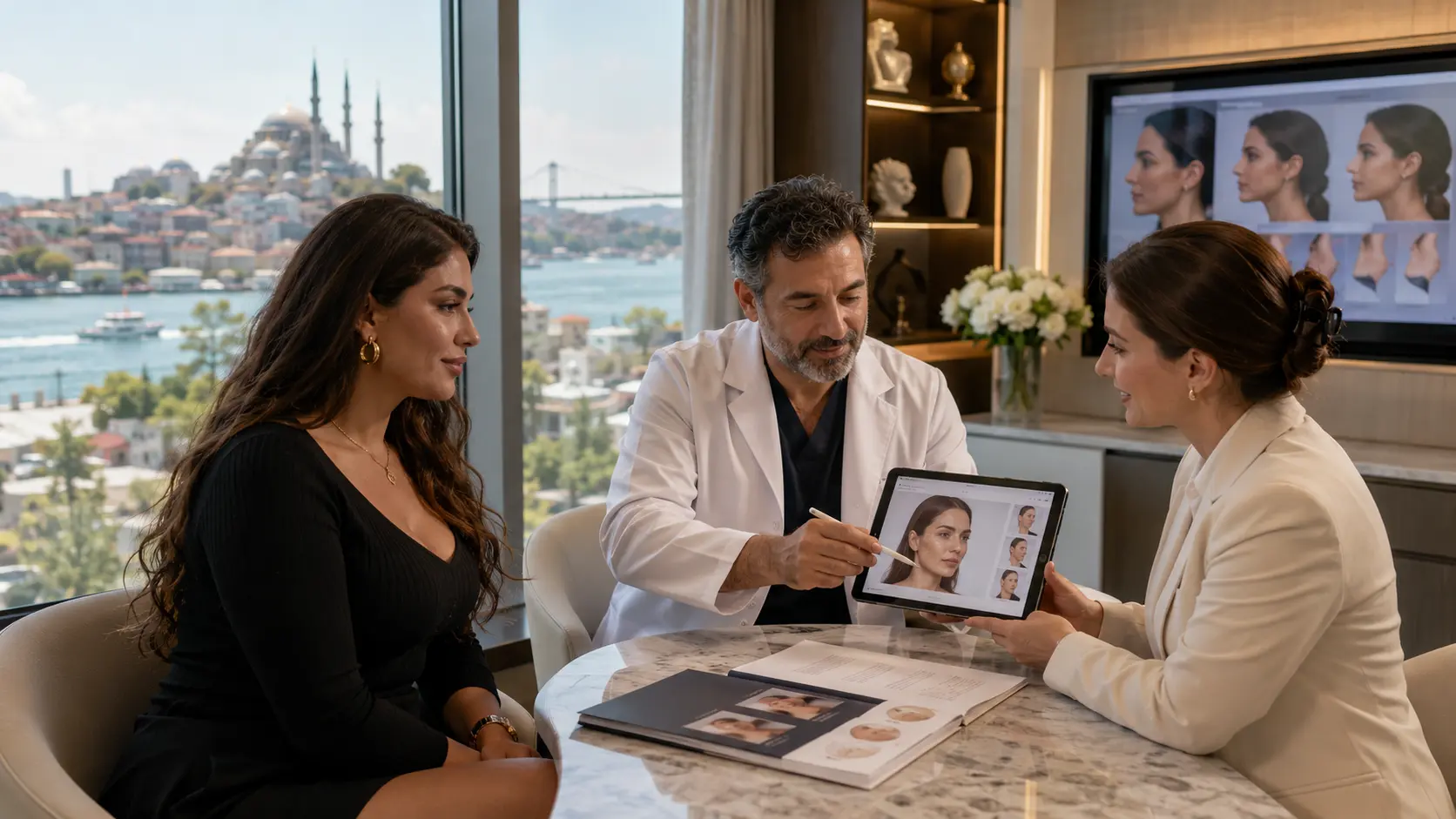
Post-Surgery Care and Recovery
Effective post-operative care is essential for positive outcomes. Clinics in Turkey usually provide comprehensive support, including wound care, pain management, and physical therapy. A typical recovery timeline may look like: Many patients spend the first night or two in the hospital for monitoring, followed by a hotel-based recovery supported by daily or scheduled clinic visits. Depending on the procedure, you may have surgical drains, a urinary catheter, or dressings that require specific care routines; your team will demonstrate each step and provide written instructions. Early mobilization—gentle walking, ankle pumps, and deep breathing exercises—helps reduce the risk of blood clots and promotes circulation. If you undergo vaginoplasty, you will receive a dilator set and detailed guidance on frequency, lubrication, and hygiene. For phalloplasty or metoidioplasty, instructions may cover catheter management, positioning to avoid tension on incisions, and timing for voiding trials. Clear pain control plans typically combine scheduled medications with as-needed options to keep you comfortable and mobile.
- Days 1–7: Rest and limit activity to allow incisions to begin healing. Expect swelling, bruising, and tightness; these are normal and should gradually improve. Keep incisions clean and dry per instructions, monitor drain outputs if present, and attend your first follow-up for dressing changes and assessment. Short, frequent walks aid circulation, but avoid lifting, stretching, or straining. Sleep with supportive pillows to reduce pressure on surgical areas, and maintain hydration and protein-rich nutrition to support tissue repair.
- Weeks 2–3: Resume light activity as swelling and tightness decrease. Many patients can perform desk work or remote duties if pain is controlled and movement is gentle. Sutures or staples may be removed during this window depending on the procedure. Continue wearing compression garments as instructed, and begin supervised range-of-motion or pelvic floor exercises if prescribed. If you have a catheter, your team will advise on removal timing and urinary retraining steps.
- Weeks 4–6: Return to normal routines with advice on scar care. Silicone gels or sheets, gentle massage (when approved), and sun protection can improve scar appearance. Light cardio may resume gradually, but heavy lifting, high-impact sports, and swimming should wait until your surgeon confirms readiness. If you’re dilating after vaginoplasty, the schedule may adjust based on depth and comfort; consistency remains key to maintaining results. Social activities can typically increase as swelling subsides and energy levels rise.
- Long-Term: Final results and full recovery often develop over several months. Numbness, tingling, or hypersensitivity near incisions can persist as nerves heal. Sensation may evolve over time and varies by procedure and individual biology. Your team may discuss long-term scar maturation, laser hair removal touch-ups, or minor revisions to refine contours. Maintain ongoing follow-up with appropriate specialists (e.g., urology or gynecology) to monitor function and address any concerns early.
Following clinic-recommended routines supports healing and long-term results. Clinics often provide compression garments and detailed wound care instructions. Counseling and psychological support are also available to support emotional recovery and adjustment. Additional measures such as avoiding nicotine (which impairs healing), protecting scars from sun exposure, and maintaining stable hormone regimens under medical supervision can further optimize outcomes. Adequate sleep, hydration, and nutrient-dense meals aid recovery, and stool softeners or fiber supplementation may be recommended while taking certain pain medications. If you are flying home, confirm with your surgeon when it is safe to travel and discuss strategies like wearing compression stockings, moving during the flight, and staying well hydrated. Remote follow-up by video is commonly offered once you return home.
Patient Testimonials and Experiences
Hearing from past patients can offer valuable insights into the process. As noted by surgero.co , many individuals report significant improvements in self-esteem and social comfort after surgery. When reading testimonials, look for narratives that address the full journey—communication before travel, clarity of instructions, airport pickups, and bedside manners—rather than focusing only on the final appearance. Balanced, reflective accounts can help you anticipate what the first week feels like, how pain was managed, and what support services were especially helpful.
“The entire process was seamless, from pre-surgery consultation to post-operative care. The staff were incredibly supportive and professional, making the entire experience memorable and life-changing,” shared one patient who underwent top surgery in Istanbul. They added that their coordinator checked in daily, helped arrange soft meals and medication refills, and ensured follow-up appointments fit their energy levels. “I felt listened to during planning, and my surgeon explained each choice clearly. The recovery was challenging at times, but I always knew what to expect next, and that reduced a lot of anxiety.”
Frequently Asked Questions
Is gender affirmation surgery safe in Turkey? Yes. When performed by experienced professionals in accredited facilities, these procedures are safe. Clinics follow strict safety protocols and provide comprehensive pre- and post-operative support. During consultations, ask about anesthesia teams, infection control practices, and emergency readiness (including ICU access if needed). Reputable centers conduct pre-operative evaluations to assess overall health, optimize any chronic conditions, and tailor risk-reduction strategies such as blood clot prevention and antibiotic timing. Your surgeon should explain potential complications specific to your procedure, their likelihood, and how the clinic responds if they occur. Transparent, data-informed discussions are indicators of a safety-first approach.
How do I select the right surgeon? Review surgeons’ qualifications and ask about experience with your specific procedure. Request before-and-after photos and check patient reviews to gain unbiased insights. Good candidates for your care will welcome detailed questions about technique selection, expected sensation, scarring, and functional outcomes. Ask how many similar cases they perform each year, their revision or reoperation rates, and how they handle complex anatomy or prior surgeries. Inquire about the broader team—nurses, anesthesiologists, and allied specialists—since cohesive teamwork supports smoother recoveries. Finally, evaluate communication: do you feel heard, respected, and informed? Comfort and trust are essential for a positive experience.
What happens if complications arise? While uncommon, it’s important to understand how a clinic handles complications. Most facilities offer thorough follow-up care to address any issues during recovery. Clarify timelines for free or reduced-cost revisions, after-hours contact methods, and criteria for returning to the operating room. Ask whether the clinic coordinates with local providers in your home country for ongoing care and how remote follow-up is structured (video calls, secure messaging, photos). Consider obtaining travel insurance that covers medical changes to your itinerary. Knowing the escalation plan in advance provides reassurance and helps you respond quickly should concerns arise.
Conclusion
Turkey stands out as a top destination for gender affirmation procedures, offering affordability, expert care, and compassionate support. As you plan, research your options carefully and choose a clinic that matches your goals and expectations. Prioritize candid conversations about risks and results, confirm accreditation and experience, and ensure you understand the step-by-step plan—from pre-operative preparation and travel timing to post-operative care and long-term follow-up. With thoughtful preparation and the right team, you can approach surgery with clarity and confidence.
Start planning your transformative journey to align your physical characteristics with your gender identity in Turkey, where expert care meets exceptional value. Outline your goals, gather medical records, schedule virtual consultations, and build a realistic budget and timeline. With a supportive clinic and a well-structured plan, you can focus on healing and moving forward with renewed comfort in your body and daily life.