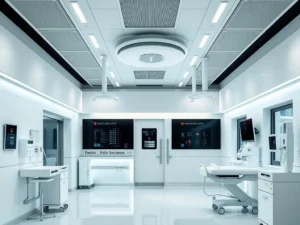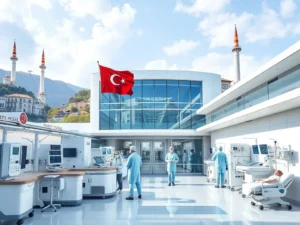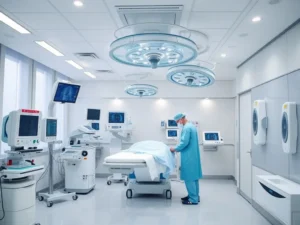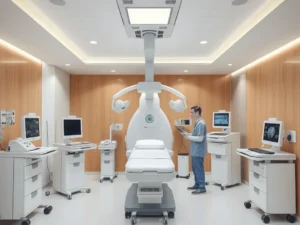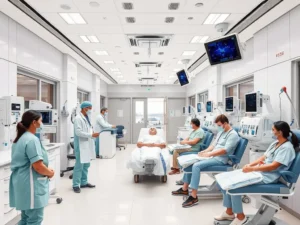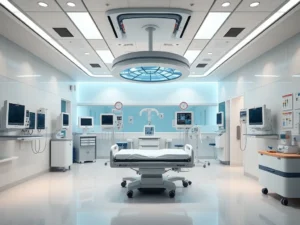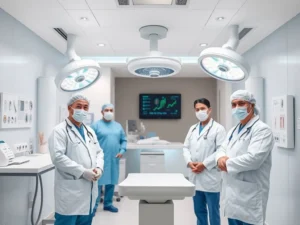
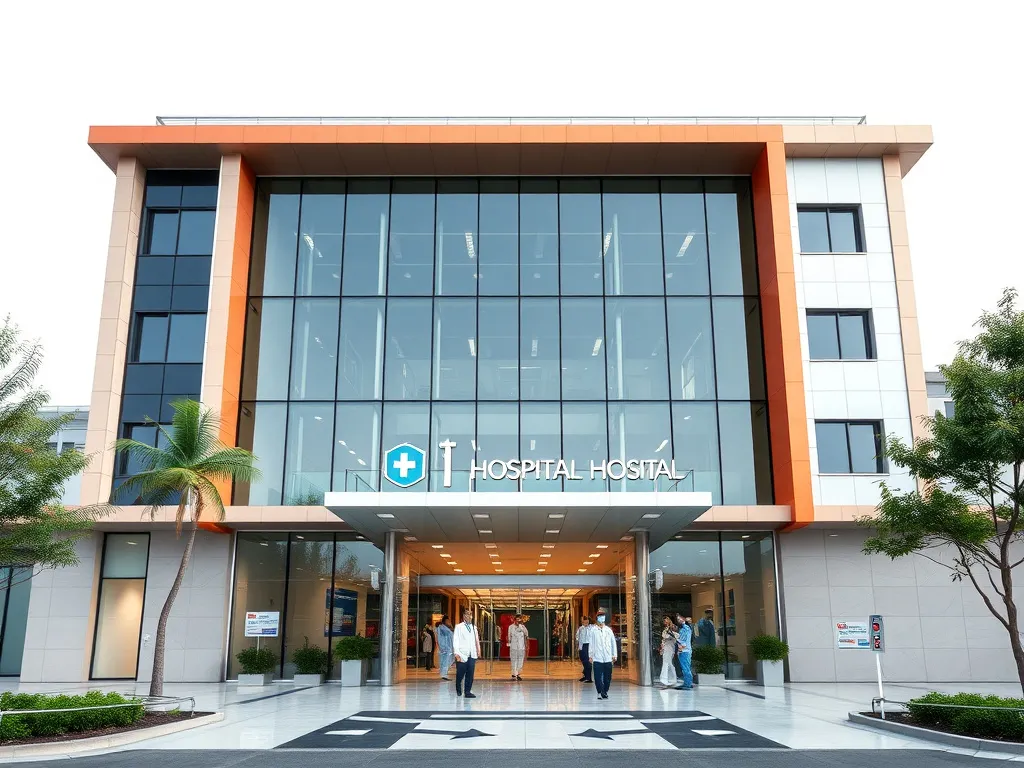
In recent years, Turkey has become a top destination for medical tourism, known for state-of-the-art procedures and esteemed healthcare facilities. From innovative robotic surgeries to world-record operations, its medical progress attracts patients globally for intricate, demanding conditions. This rise rests on sustained public and private investment, a pipeline of physicians trained in Europe and North America, and regulation aligned with international standards. Dozens of hospitals now hold global accreditations, with specialized centers of excellence in urology, neurosurgery, orthopedics, cardiology, and transplant medicine. Turkey’s location—within a short flight of major cities across Europe, the Middle East, and Central Asia—makes advanced care accessible, while transparent pricing, shorter waits, and coordinated concierge services simplify the journey. These advantages foster rapid adoption of next‑generation technology and rigorous clinical research, enabling teams to manage rare or complex cases. Turkey has moved beyond being a value option to a destination recognized for pioneering care and consistently excellent outcomes.
Revolutionary Robotic Surgeries: Leading in Precision and Safety
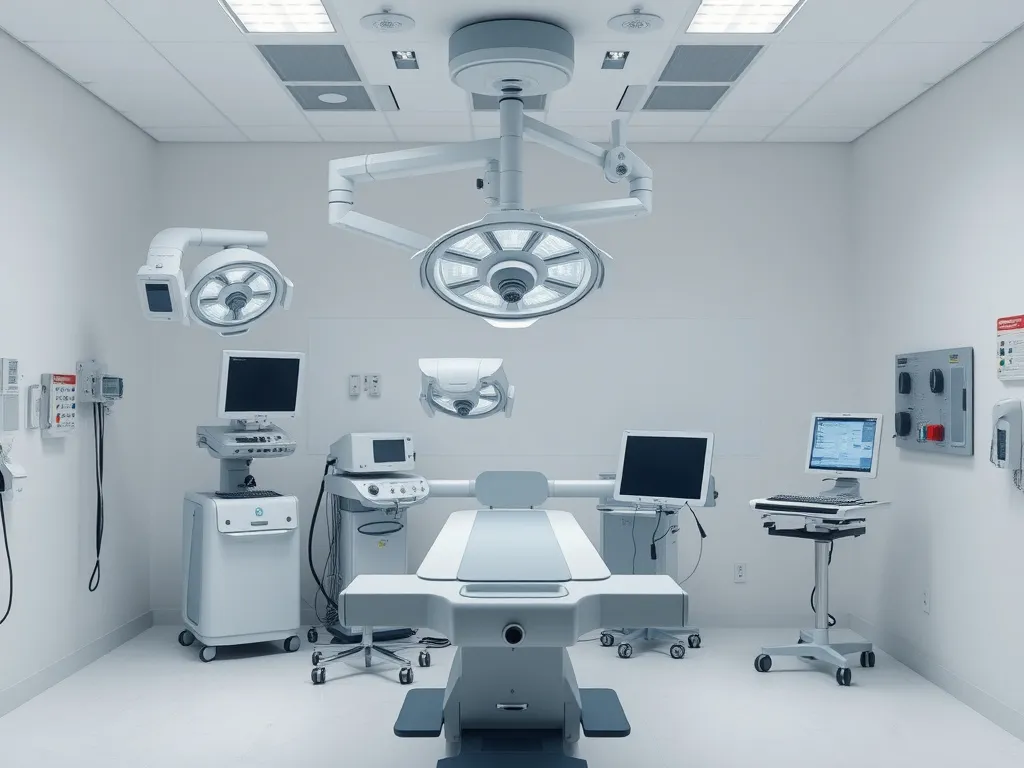
Robotic surgery represents a major leap in precision and safety. Liv Hospital recently conducted the world’s first robotic kidney stone surgery using a locally developed “Flexible Ureteroscopy Robot” int.livhospital.com , enabling fine, tremor-filtered movements and high-definition visualization in tight anatomical spaces. The system translates a surgeon’s hand motions into micro-movements of articulated instruments, improving access to stones deep within renal calyces and reducing tissue trauma and residual fragments. Standardized robotic workflows shorten operative times as teams gain experience, boosting safety and consistency. Local development is notable: rapid iteration, robust maintenance, and scalable costs broaden access. While urology is a flagship field, similar principles are applied in gynecology, thoracic surgery, and bariatrics, where minimally invasive approaches reduce pain, complications, and recovery time.
Benefits of Robotic Surgery
- Real-Time Monitoring: The system observes kidney pressure in real time and alerts clinicians to rising levels, improving safety. By enabling swift adjustments to irrigation, suction, or instrument position, surgeons maintain a clear view without overdistending the collecting system. Integrated metrics support quality improvement and case review, while synchronized data and video enhance teaching and protocol refinement over time.
- Enhanced Control: Provides 360-degree maneuverability for precise laser targeting and navigation through complex anatomy. Surgeons can approach stones from optimal angles, minimize instrument exchanges, and reduce inadvertent injury. Ergonomic console control lessens fatigue, and high-definition imaging with laser guidance helps limit residual fragments, often translating into less pain and faster discharge.
- Efficiency: Operations typically take less time, decreasing anesthesia exposure and accelerating recovery. Streamlined setup and reproducible steps improve operating room throughput and cost-effectiveness as fewer complications and readmissions offset technology investments. Many patients benefit from standardized pathways that enable same-day or short-stay discharge.
Complex Conjoined Twin Separation: A New World Record
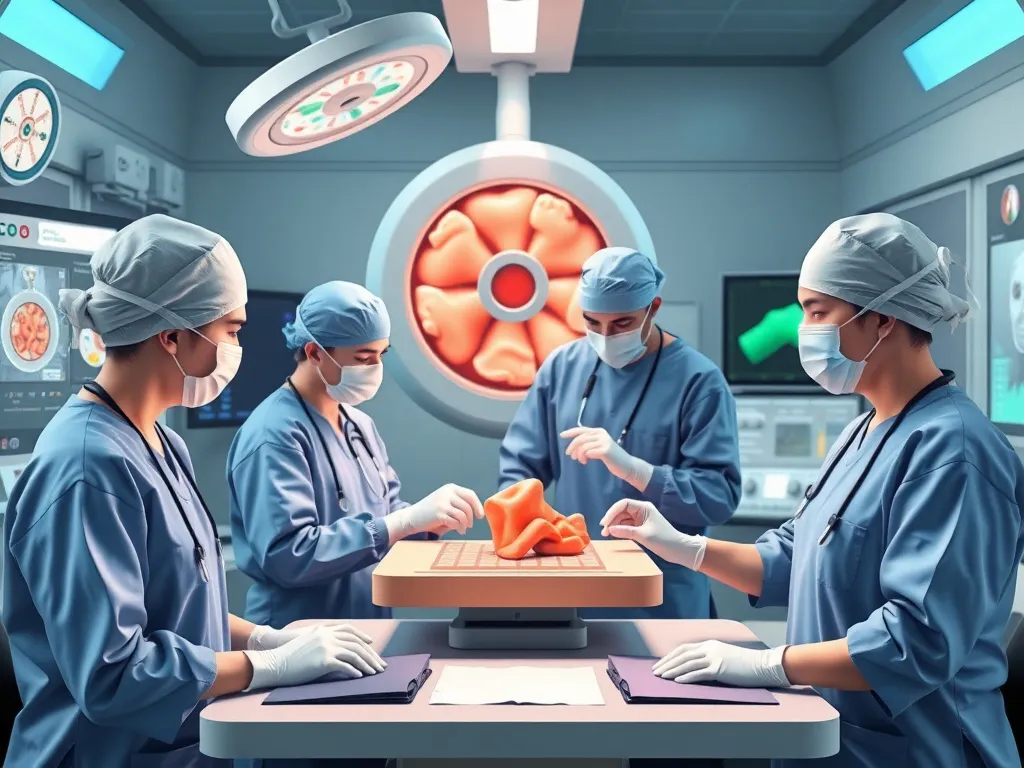
In a groundbreaking case, Turkish surgeons separated conjoined twins in a record-setting nine-hour procedure, highlighting the country’s leadership in complex pediatric surgery AlArabiya . Beyond speed, success stemmed from meticulous preoperative planning: advanced 3D modeling and virtual simulations mapped shared organs and blood vessels, while multidisciplinary teams rehearsed the entire sequence. Real-time imaging and refined hemostatic strategies guided safe dissection along predetermined planes, and reconstructive steps—down to sutures and flap designs—were preplanned to preserve function and growth. Ethical oversight and sustained family communication ensured informed consent and culturally sensitive support. Postoperatively, tightly choreographed care—ventilation, pain control, infection prevention, and early rehabilitation—supported recovery and development. The case exemplifies how coordination, technology, and compassion can align to deliver life-changing outcomes.
Technological Innovations Used
- 3D Modeling: Offered detailed anatomical maps that revealed shared vasculature and organ interfaces. Digital reconstructions and 3D-printed replicas let teams test incision trajectories, anticipate bleeding, and plan vessel ligation. These tools foster clear cross-disciplinary communication and help families understand complex anatomy and risks.
- Virtual Simulations: Enabled data‑driven planning, sequencing clamp-and-release maneuvers, and forecasting perfusion changes. Teams identified high-risk “no-go” zones and rehearsed crisis responses, turning simulation into a risk‑mitigation framework that smooths intraoperative flow and stabilizes recovery.
- Decellularized Placenta Membranes: Provided a biocompatible scaffold that supports re-epithelialization, reduces inflammation, and limits scarring—key for growing children. Used alongside meticulous wound care and infection control, these materials can strengthen closures and reduce the need for revisions, illustrating Turkey’s integration of regenerative medicine into clinical practice.
The success of this operation saved lives and set new standards in pediatric surgery. By documenting each step and debriefing across disciplines, the team shared lessons on perfusion management, communication cues, and reconstruction strategies. The case now anchors international collaborations and research on pediatric tissue regeneration, anesthesia, and developmental outcomes—offering a roadmap and hope for families worldwide.
The Role of Advanced Neurosurgery at ACIBADEM Hospital
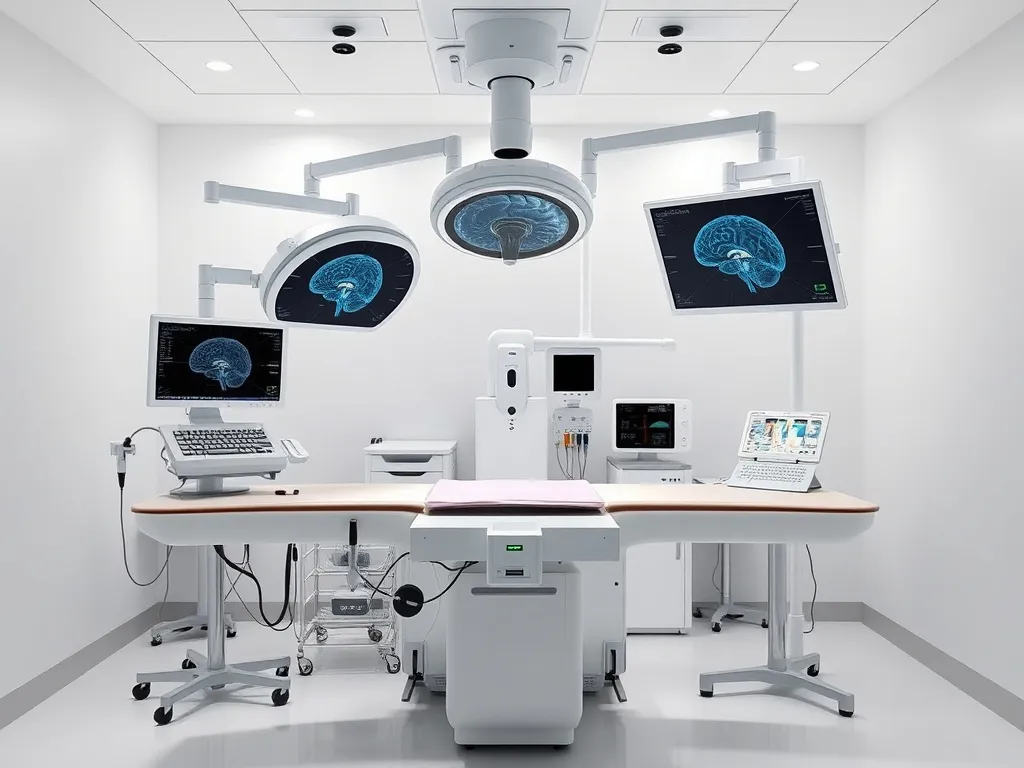
ACIBADEM Hospital is a leader in neurosurgical excellence, offering some of the most advanced minimally invasive techniques worldwide acibademinternational.com . Precision is paramount, and teams combine neuronavigation, intraoperative neurophysiological monitoring, endoscopes, and high-definition microscopes to treat pituitary adenomas, skull base tumors, vascular malformations, and degenerative spine disease. Minimally invasive corridors—such as transnasal endoscopy for skull base surgery or tubular retractors for spinal decompression—limit tissue disruption and pain. Enhanced recovery protocols emphasize early mobilization, delirium prevention, and analgesia that preserves cognition. While robotic systems are widely used across other specialties, neurosurgery achieves analogous stability and visualization through navigation and positioning aids, delivering fewer complications, shorter hospital stays, and faster return to normal life.
Techniques and Benefits
The da Vinci Surgical System supports exceptional precision and recovery in fields like urology, gynecology, and thoracic surgery, while neurosurgery benefits from a complementary ecosystem—navigation, endoscopy, and intraoperative imaging—that pursues the same goals. Together, these technologies turn formerly formidable operations into carefully choreographed, patient-centered experiences.
- Precision: Utilizes robotic‑like stability and image guidance for micro‑accurate movements in constrained spaces. This supports nerve-sparing, accurate vessel control, and clean oncologic margins, preserving function and reducing recurrence. Data from high-volume programs refine technique and expand indications responsibly.
- Reduced Recovery Time: Smaller exposures generally mean less pain, lower wound complication risk, and earlier ambulation. In neurosurgery, this can reduce cerebrospinal fluid leaks and infection, enabling timely imaging, therapy, and return to daily activities.
- Safety: Real-time imaging and neurophysiological monitoring confirm target localization and protect critical pathways. Checklists, team briefings, and simulation training integrate technology into reliable, human‑centered workflows that lower complication rates.
International Patient Success Stories
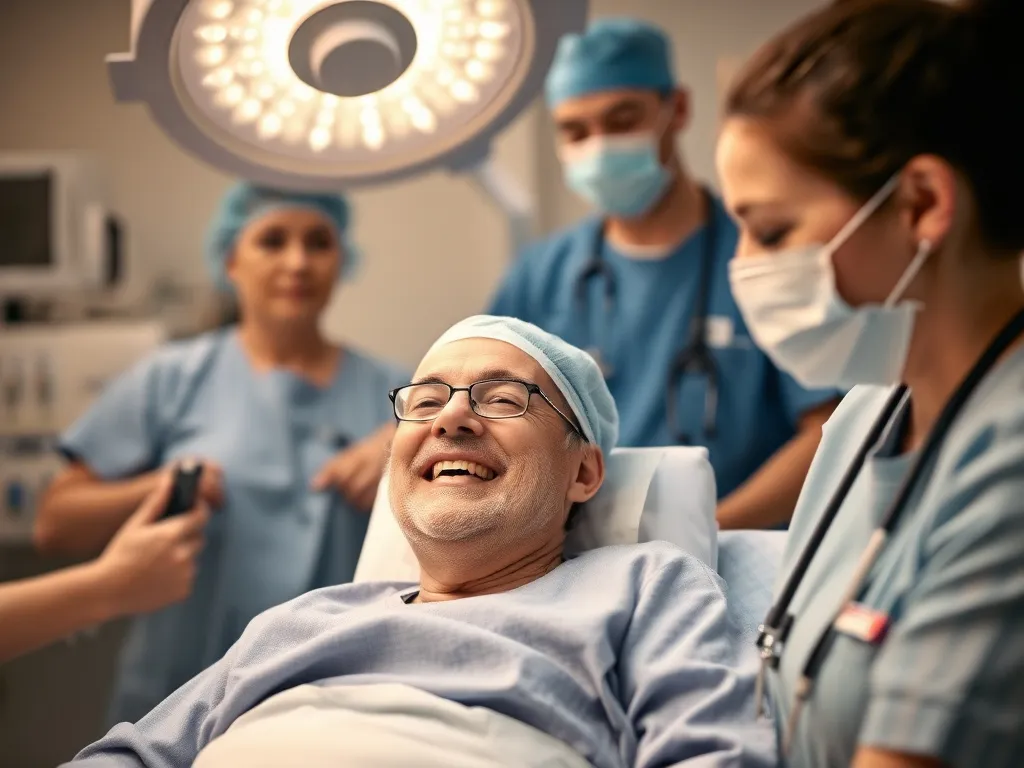
Stories of international patients underscore Turkey’s medical expertise. For example, Tamara Emeria, an Italian patient left 95% paralyzed, regained the ability to walk after a pioneering spinal surgery at Istanbul’s Erdem Hospital TechBullion . Many patients start with remote consultations and secure image sharing for multidisciplinary review, followed by clear plans detailing timelines, costs, and expected outcomes. Upon arrival, coordinated testing and translator support streamline care, with family‑friendly services that recognize the role of social support in recovery. After discharge, video visits and shared records keep patients connected to both Turkish teams and local physicians. Testimonials repeatedly cite three differentiators: clear, confidence‑building explanations and second opinions; attentive, culturally aware bedside care; and tangible functional gains that validate traveling for treatment.
Comparing Medical Tourism Destinations
While India, Thailand, and Mexico are notable destinations, Turkey’s combination of quality, affordability, and innovation gives it a competitive edge. Facilities feature the latest technology, and many surgeons are Western‑trained, supporting high standards of care. Transparent, bundled pricing commonly covers hospital, surgeon, anesthesia, imaging, and postoperative services, often at a fraction of Western costs for comparable procedures. National emphasis on accreditation and infection control aligns with international benchmarks. Straightforward travel logistics and concierge support further simplify access, while cultural attractions can aid recuperation—making Turkey especially compelling for those seeking advanced care in a supportive environment.
Key Considerations for Medical Tourists
- Accreditations: Confirm reputable international hospital and program-level accreditations. Request outcomes relevant to your condition—complications, readmissions, length of stay, and revision rates—and ask how results compare with global benchmarks. Verify surgeon credentials, fellowship training, and case volumes; high-volume teams with standardized pathways typically deliver more consistent outcomes.
- Language Support: Ensure robust interpreter services for consultations, ward rounds, and therapy sessions, plus translated discharge summaries and imaging reports. Ideally, language services integrate with electronic records to reduce errors. Cultural competence—dietary needs, privacy preferences, and family roles—enhances safe, personalized care and should extend to tele-interpretation for follow-up.
- Post-Operative Care: Seek a clear aftercare plan covering wound care, medications, activity progression, and red-flag symptoms. Ask about structured rehabilitation, coordination of imaging and labs with local clinicians, and availability of telehealth check-ins. Clarify insurance and financial responsibilities for complications and time your return travel around key milestones.
Conclusion
Turkey’s rise as a global leader in medical tourism reflects its innovative procedures and modern facilities. From robotic surgery to complex pediatric interventions, the country often matches or surpasses Western peers in innovation and outcomes while maintaining accessibility and value. Looking ahead, deeper use of artificial intelligence, wider adoption of regenerative medicine and personalized implants, and expanded academic collaborations promise further gains. Most importantly, progress remains patient‑centered—prioritizing safety, dignity, and measurable improvements in quality of life. For international patients and referring physicians, Turkey is not just a destination, but a trusted partner in achieving the best possible outcomes.