At Tabibak, we provide a comprehensive guide to help you understand the role of orthopedic and traumatology doctors in Turkey, when you should consult them, what conditions they treat, and the most important diagnostic tests and treatment methods available to restore mobility, reduce pain, and improve quality of life.
What Is Orthopedics and Traumatology?
Orthopedics and Traumatology, medically known as orthopedic surgery and trauma care, is a medical specialty concerned with the diagnosis and treatment of diseases and injuries affecting the musculoskeletal system. This includes bones, joints, muscles, ligaments, tendons, peripheral nerves, and cartilage.
Orthopedics focuses on chronic or developmental conditions such as bone deformities, joint osteoarthritis, spine pain, osteoporosis, and growth-related problems in children. Traumatology, on the other hand, deals with acute injuries caused by accidents, falls, sports injuries, and work-related trauma, such as fractures, dislocations, ligament tears, and soft tissue injuries.
What Conditions Does an Orthopedic Doctor Treat?
An orthopedic and traumatology doctor treats a wide range of conditions that affect mobility and the ability to perform daily activities. These conditions may range from mild pain that requires conservative treatment to injuries or deformities that may require surgical intervention.
| Field | Main Conditions Treated |
|---|---|
| Fractures and trauma | Arm and leg fractures, hip fractures, dislocations, accident injuries, and soft tissue injuries |
| Joints | Knee osteoarthritis, hip osteoarthritis, arthritis, cartilage damage, and joint stiffness |
| Sports injuries | Meniscus tears, anterior cruciate ligament injuries, shoulder injuries, and tendon tears |
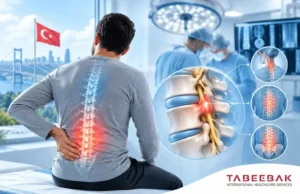
| Spine | Herniated disc, scoliosis, kyphosis, spinal stenosis, and vertebral fractures |
| Pediatric orthopedics | Developmental hip dislocation, clubfoot, limb deformities, and fractures in children |
| Hand and upper limb | Carpal tunnel syndrome, tendon injuries, hand and wrist fractures, and nerve injuries |
| Foot and ankle | Ankle sprains, ligament tears, foot deformities, heel pain, and foot and ankle fractures |
| Bone tumors | Bone tumors, muscle tumors, and benign or malignant soft tissue tumors |
Treatment of Fractures, Dislocations, and Traumatic Injuries
Fractures and dislocations are among the most common conditions treated in the Orthopedics and Traumatology Department. They may occur as a result of falls, traffic accidents, sports injuries, work-related injuries, or bone weakness due to osteoporosis, especially in older adults.
Types of Injuries Treated in the Trauma Department
- Fractures of the arm, forearm, hand, and wrist
- Fractures of the thigh, leg, foot, and ankle
- Hip fractures, especially in older adults
- Spinal and vertebral fractures
- Dislocations of the shoulder, elbow, hip, or knee
- Ligament and tendon tears
- Soft tissue injuries caused by accidents
Some fractures may be treated with splints, casts, or external fixation devices, while others may require surgical intervention using plates, screws, nails, or artificial joints, depending on the type and location of the fracture and the patient’s general condition.
Sports Injuries and Arthroscopic Surgery
Sports injuries are common among athletes and physically active individuals. They include injuries of the knee, shoulder, ankle, ligaments, cartilage, and tendons. Treatment aims to relieve pain, restore joint stability, and improve the patient’s ability to return to sports activities or daily life.
Knee Arthroscopy
Arthroscopic surgery is used in the Orthopedics and Traumatology Department to treat many knee problems through small incisions. In suitable cases, this often helps reduce pain and speed up recovery compared to open surgery.
- Repair or removal of the meniscus
- Reconstruction of the anterior or posterior cruciate ligament
- Treatment of collateral ligament injuries
- Removal of loose bodies inside the joint
- Treatment of certain cartilage injuries
- Cleaning of inflamed or damaged tissues inside the joint
Shoulder Arthroscopy
Shoulder arthroscopy is used to treat several shoulder problems, such as recurrent dislocation, rotator cuff tendon tears, bursitis, tendon calcifications, and some cases of shoulder impingement or stiffness.
- Repair of rotator cuff tendon tears
- Treatment of recurrent shoulder dislocation
- Treatment of shoulder impingement syndrome
- Removal of calcifications or loose bodies inside the joint
- Treatment of certain labral tears in the shoulder
Osteoarthritis and Joint Replacement Surgery
Osteoarthritis, or cartilage wear, is one of the most common orthopedic conditions, especially with aging, excess weight, or after previous injuries. It most often affects the knee and hip and may cause chronic pain, stiffness, difficulty walking, and reduced quality of life.
Main Types of Osteoarthritis
- Knee osteoarthritis
- Hip osteoarthritis
- Shoulder osteoarthritis
- Osteoarthritis of the hand and finger joints
- Cartilage wear after injuries or inflammation
Treatment usually begins with conservative methods such as weight reduction, physical therapy, medications, local injections, and lifestyle modifications. In advanced cases that do not respond to treatment, knee or hip replacement surgery or corrective procedures may be recommended depending on the condition.
Spine Surgery
Spine surgery focuses on diagnosing and treating diseases and injuries affecting the vertebrae, intervertebral discs, and surrounding nerves. These conditions may result from congenital deformities, injuries, aging, infections, tumors, or degenerative diseases.
Main Spine Conditions
- Herniated disc: occurs when a disc presses on the nerves, causing pain that may extend to the arm or leg.
- Spinal stenosis: causes pressure on the nerves and may lead to pain, numbness, or difficulty walking.
- Scoliosis: a sideways curvature of the spine that may appear especially during growth.
- Kyphosis: an abnormal increase in the curvature of the upper back, which may affect posture and movement.
- Vertebral fractures: may occur due to accidents or osteoporosis.
- Spinal tumors or infections: require specialized evaluation and a precise treatment plan.
Treatment methods vary between medication, physical therapy, injections, microscopic or endoscopic surgery, and spinal fixation, depending on the severity of the condition and the degree of nerve compression.
Pediatric Orthopedics
Pediatric orthopedics specializes in diagnosing, monitoring, and treating bone and joint problems in children and adolescents. Treating children differs from treating adults because a child’s bones are still growing, which requires careful evaluation and an age-appropriate treatment plan.
Main Pediatric Orthopedic Conditions
- Congenital or developmental hip dislocation
- Clubfoot and foot deformities
- Flat feet in children
- Limb deformities or leg length discrepancy
- Fractures in children
- Walking problems or limping
- Spinal deformities such as scoliosis
Hand, Foot, and Ankle Surgery
The Orthopedics and Traumatology Department also treats problems affecting the hand, wrist, foot, and ankle, which are essential areas for movement, work, and walking. These problems may result from injuries, nerve compression, inflammation, deformities, or chronic diseases.
Hand and Upper Limb Surgery
- Carpal tunnel syndrome
- Tendon injuries of the hand and fingers
- Hand and wrist fractures
- Peripheral nerve injuries
- Stiffness or osteoarthritis of the hand joints
- Elbow and shoulder injuries
Foot and Ankle Surgery
- Ankle sprains and ligament tears
- Foot and ankle fractures
- Heel pain and plantar fasciitis
- Toe deformities
- Cartilage injuries in the ankle
- Ankle osteoarthritis
Bone and Soft Tissue Tumors
Orthopedic oncology focuses on the diagnosis and treatment of tumors affecting the bones, muscles, and soft tissues. These tumors may be benign or malignant and require careful evaluation using clinical examination, medical imaging, and sometimes biopsy.
The treatment plan depends on the type of tumor, its location, size, and degree of spread. Treatment may include surgery, medication, radiation therapy, or collaboration with other specialties such as oncology and diagnostic radiology.
Diagnostic Tests in Orthopedics and Traumatology
Diagnosis usually begins by asking the patient about the nature of the pain or injury, when it occurred, its severity, and associated symptoms such as swelling, inability to move, numbness, or weakness. The doctor then performs a clinical examination to assess the affected joint, bone, or muscle.
Main Diagnostic Tests Used
- X-ray: commonly used to diagnose fractures, dislocations, osteoarthritis, and some bone deformities.
- Magnetic resonance imaging: helps assess ligaments, tendons, cartilage, nerves, and soft tissues.
- Computed tomography: useful for evaluating complex fractures or injuries of the spine and joints.
- Ultrasound: may be used to assess certain tendon and muscle injuries.
- Blood tests: may be requested when infections, rheumatic diseases, or bone disorders are suspected.
- Bone density test: used to evaluate osteoporosis and fracture risk.
- Biopsy: performed in some cases when bone or soft tissue tumors are suspected.
Treatment Methods in Orthopedics and Traumatology
The treatment Orthopedics and Traumatology in Turkey plan varies according to the type of condition, the patient’s age, activity level, severity of the injury, and test results. Treatment may be conservative without surgery or surgical in cases that require fixation, repair, or joint replacement.
Non-Surgical Treatment
- Rest and modification of daily activities
- Pain relievers and anti-inflammatory medications when needed
- Splints, casts, or medical braces
- Physical therapy and rehabilitation
- Joint injections in selected suitable cases
- Weight reduction and lifestyle improvement in joint diseases
Surgical Treatment
- Fracture fixation using plates, screws, or nails
- Knee, shoulder, or ankle arthroscopy
- Repair of torn ligaments and tendons
- Knee, hip, or shoulder joint replacement
- Spine surgery and spinal fixation when needed
- Corrective deformity surgery or bone lengthening procedures
- Surgery for bone and soft tissue tumors
After treatment, rehabilitation and physical therapy are important parts of recovery, as they help restore movement, strengthen muscles, reduce stiffness, and support a gradual return to daily activities.
When Should You Visit an Orthopedic Doctor?
It is recommended to visit an orthopedic doctor when pain or injury affects movement or does not improve with rest, as well as when symptoms suggest a fracture, dislocation, inflammation, or nerve compression.
- Severe pain after a fall or accident
- Visible swelling or deformity in a limb or joint
- Inability to move the joint or bear weight on the foot
- Chronic or recurrent joint pain
- Back or neck pain extending to the arm or leg
- Numbness or weakness in the limbs
- Recurrent sports injuries
- Difficulty walking or climbing stairs
- Knee or hip pain related to osteoarthritis
- Suspected fracture or dislocation
Medical Notice
This content is for medical awareness purposes only and does not replace consultation with a specialist doctor. In cases of severe injury, unbearable pain, visible deformity, loss of mobility, or sudden numbness and weakness in the limbs, medical care should be sought immediately.