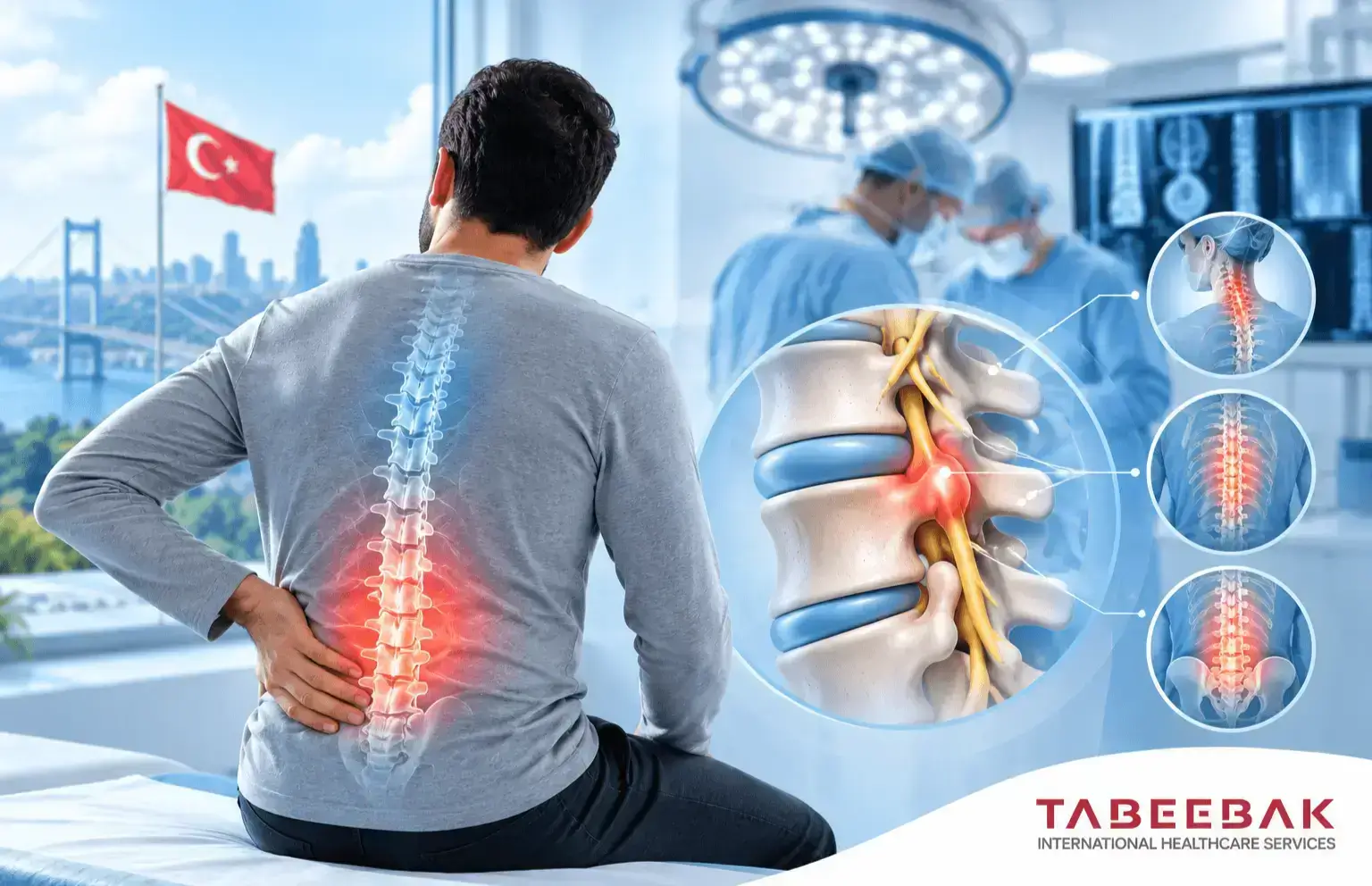
Spine surgery in Turkey encompasses a range of procedures used to treat conditions such as nerve and spinal cord compression, herniated discs, spinal stenosis, spinal instability, deformities, fractures, and certain tumors. Surgery may involve the cervical, thoracic, or lumbar spine, using open, microsurgical, or minimally invasive techniques depending on the diagnosis. Having back pain or a herniated disc does not necessarily mean surgery is required. Many conditions are initially treated with medication, physical therapy, or other nonsurgical approaches. Surgery is considered when there is a clearly identifiable structural problem, neurological symptoms, or an inadequate response to appropriate conservative treatment.
Spine Surgery at a Glance
| Category | Details |
|---|---|
| Specialty | Spine Surgery |
| Treating specialists | Neurosurgeons or orthopedic surgeons specializing in spine surgery |
| Regions treated | Cervical, thoracic, and lumbar spine |
| Conditions | Herniated discs, spinal stenosis, spondylolisthesis, scoliosis, tumors, fractures, and injuries |
| Techniques | Open, microsurgical, endoscopic, and minimally invasive surgery |
| Diagnosis | MRI, CT, X-rays, and neurological examination, depending on the condition |
| Anesthesia | Determined by the procedure and the patient’s condition |
| Rehabilitation | May be an essential part of recovery |
| International patients | Medical records and imaging can be reviewed before travel |
What Is Spine Surgery?
Spine surgery is not a single operation. It includes a range of procedures selected according to the underlying cause of the problem.
The goal may be to relieve pressure on a nerve or the spinal cord, remove part of a herniated disc, stabilize unstable vertebrae, correct a spinal deformity, or remove a tumor or another compressive lesion. Some cases require a limited procedure at a single spinal level, while others need more complex surgery involving several levels or spinal fixation.
Who Treats Spinal Conditions: a Neurosurgeon or an Orthopedic Surgeon?
Both neurosurgeons and orthopedic surgeons specializing in spine surgery perform a wide range of spinal procedures. A joint statement from American specialist organizations confirms that both specialties receive training in diagnosing spinal conditions and performing procedures involving spinal fixation and fusion.
| Neurosurgeon | Orthopedic Spine Surgeon |
|---|---|
| Spinal cord and nerve roots | Bones, alignment, and spinal biomechanics |
| Nerve and spinal cord tumors | Structural deformities |
| Nerve and spinal cord compression | Instability and spinal fixation |
| Herniated discs and spinal stenosis | Herniated discs and spinal stenosis |
| Certain neurovascular conditions | Scoliosis and skeletal deformities |
There is substantial overlap between the two specialties. Choosing a surgeon should therefore depend on your condition and the surgeon’s specific experience with the required procedure, rather than their specialty title alone.
Which Conditions May Require Spine Surgery?
Surgery is considered when there is a structural problem that can be treated surgically and the symptoms and examination findings are consistent with that problem.
Herniated Discs
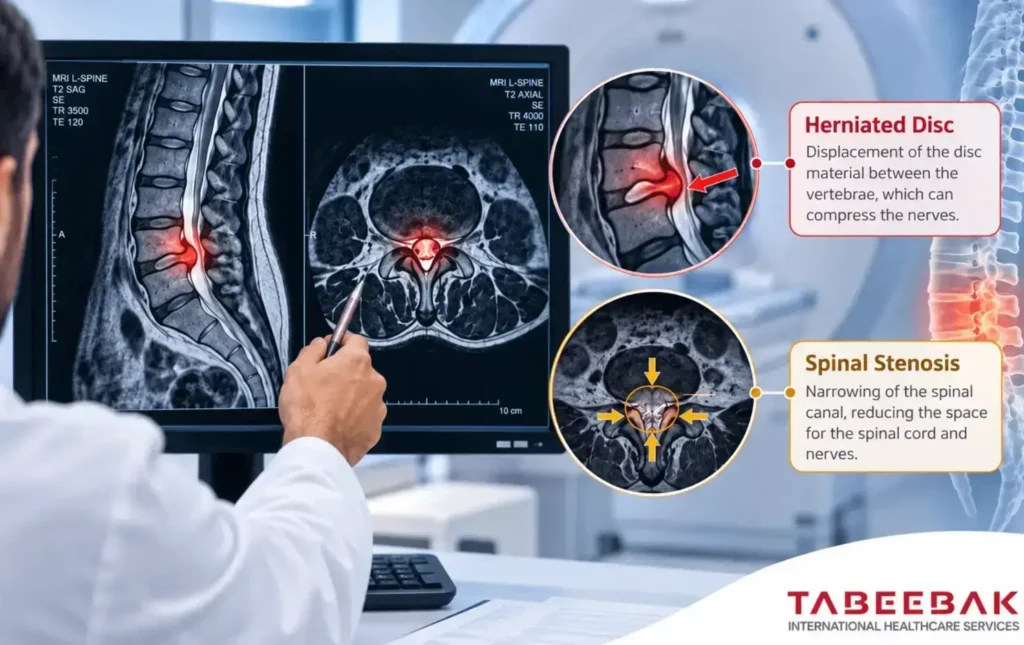
A herniated disc may compress a nerve root, causing pain that radiates into an arm or leg, numbness, or weakness. Most cases do not require surgery, but an operation may become an option when significant symptoms persist or neurological weakness develops.
Spinal Stenosis
Spinal stenosis occurs when the space within the spinal canal narrows, potentially compressing the nerves or spinal cord. It may cause pain, numbness, weakness, and difficulty walking. Decompression surgery may be considered when symptoms are severe and do not respond to conservative treatment.
Spondylolisthesis and Spinal Instability
Spondylolisthesis occurs when one vertebra slips relative to an adjacent vertebra. Some cases do not require surgery. However, instability accompanied by pain, nerve compression, or deformity may require decompression or spinal fixation, depending on the condition.
Scoliosis and Spinal Deformities
Not every case of scoliosis requires surgery. Surgery may be discussed when the curvature or deformity is severe, progresses over time, affects balance and function, or causes symptoms that cannot be managed through other treatments.
Spinal Fractures and Injuries
Some fractures require only monitoring or a brace. Unstable fractures, or those associated with nerve compression or spinal cord injury, may require surgery to stabilize the spine and relieve pressure when necessary.
Spinal and Spinal Cord Tumors
Tumors may develop within the vertebrae, around the spinal cord, or inside it. Treatment depends on the tumor’s type, location, and degree of neural compression. Surgery may involve removing the tumor, reducing its size, or stabilizing the spine after part of a vertebra has been removed.
Nerve and Spinal Cord Compression
Compression may result from a herniated disc, spinal stenosis, a tumor, or bony changes. Intervention becomes particularly important when there is weakness, difficulty walking, or other signs of impaired nerve function.
Persistent Pain After Previous Surgery
Persistent pain after a previous operation does not automatically mean that another surgery is needed. The cause of the current symptoms must first be identified, whether it is residual nerve compression, failure of fusion, a problem with the fixation hardware, or a nonsurgical cause.
Does Everyone with a Herniated Disc Need Surgery?
No. Most herniated discs do not require surgery, and symptoms may improve over time with conservative treatment. Surgery is more likely to be discussed when severe pain persists or when significant muscle weakness, difficulty walking, or other neurological symptoms fail to improve with appropriate treatment.
The decision to operate should not be based solely on the presence of a herniated disc on an MRI scan. Many people have imaging abnormalities that are not responsible for their symptoms.
When Is Urgent Assessment Needed?
Certain neurological symptoms require prompt assessment and should not be postponed while waiting for a medical travel appointment.
Seek urgent medical attention if you develop:
- New or rapidly worsening weakness in the legs or arms.
- Loss of bladder or bowel control, or an inability to urinate.
- Numbness in the perineal area or around the genitals.
- A rapid decline in your ability to walk.
- A significant neck or back injury accompanied by weakness or loss of sensation.
- Back pain with fever and new neurological symptoms.
These symptoms may indicate severe nerve compression, spinal cord injury, or cauda equina syndrome, all of which require immediate assessment.
How Are Spinal Conditions Diagnosed Before Surgery?
Choosing an operation begins with the diagnosis, not the name of a surgical technique.
Neurological and Motor Examination
The doctor assesses muscle strength, sensation, reflexes, walking, balance, and areas of pain or numbness to identify which nerve or region may be affected.
Magnetic Resonance Imaging (MRI)
MRI shows the intervertebral discs, spinal cord, nerve roots, and surrounding tissues. It is therefore widely used to assess herniated discs, spinal stenosis, and tumors.
Computed Tomography (CT)
CT scans help assess bones, fractures, the shape of the spinal canal, and certain details of spinal fixation or bone fusion.
X-rays and Dynamic Imaging
Standard X-rays can show spinal alignment and curvature. Dynamic X-rays may be used in selected cases to assess instability.
Electromyography (EMG)
The doctor may request EMG or nerve conduction studies to determine whether symptoms are caused by nerve root compression or another nerve disorder.
Additional Tests When Needed
Tumors, infections, bone disorders, or previous operations may require blood tests, additional imaging, or other investigations, depending on the suspected diagnosis.
An operation cannot be selected on the basis of an MRI scan alone. Imaging findings must be consistent with the symptoms and neurological examination.
Types of Spine Surgery
The type of operation depends on the problem being treated. Not every spinal procedure involves fixation or fusion.
Discectomy / Microdiscectomy
The portion of the disc compressing the nerve is removed. The procedure may be performed using a microscope or minimally invasive techniques, depending on the case.
Decompression
This is a general term for procedures that create more space around a nerve or the spinal cord when compression is caused by stenosis, disc material, or bony changes.
Laminectomy
Part or all of the lamina, the bony arch at the back of a vertebra, is removed to widen the spinal canal and reduce pressure. It may be performed alone or alongside other procedures, such as discectomy or fusion.
Spinal Fusion
Fusion aims to join two or more vertebrae so that they move as a single unit when additional stability is needed. Bone grafts and implants, such as screws and rods, may be used as part of the surgical plan.
Spinal Fixation
Spinal fixation uses surgical implants to support the spine in conditions such as instability, fractures, deformities, and certain reconstructive procedures.
Artificial Disc Replacement
In selected cases, a damaged disc can be removed and replaced with an artificial disc instead of performing a fusion. Suitability depends on the affected spinal level, the patient’s anatomy, and other factors.
Scoliosis and Deformity Surgery
These procedures aim to improve alignment and balance and correct abnormal curvature when surgery is necessary. They may involve fixation across several spinal levels.
Spinal Tumor Surgery
The procedure varies according to the tumor’s location in relation to the vertebrae, spinal cord, and nerve roots. It may combine tumor removal, decompression, and reconstruction to restore stability.
Vertebroplasty and Kyphoplasty
These procedures are used in selected cases of vertebral compression fractures to support the affected vertebra and reduce pain. They are not suitable for every spinal fracture.
Endoscopic and Minimally Invasive Spine Surgery
Minimally invasive spine surgery uses smaller surgical corridors and specialized instruments to reach the target area while minimizing damage to surrounding muscles and tissues.
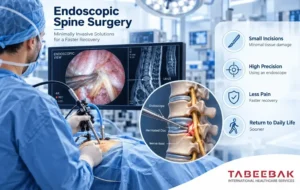
Endoscopic spine surgery uses an endoscope during certain procedures to access a disc or nerve through a small opening.
Minimally invasive approaches may be used in selected cases involving:
- Certain disc procedures.
- Decompression.
- Certain fixation and fusion procedures.
- Some fractures.
- Certain tumors or deformities treated at specialist centers.
According to Cleveland Clinic, these techniques may offer smaller incisions, less tissue damage, and shorter recovery in suitable cases. However, they are not appropriate for every condition or every patient.
Open surgery is not an inferior technique. In some cases, wider access is safer or necessary to achieve the goals of the operation.
Open Surgery or Minimally Invasive Surgery?
| Factor | Open Surgery | Minimally Invasive Surgery |
|---|---|---|
| Access to the spine | Provides a wider surgical field | Uses smaller surgical corridors |
| Use | Conditions requiring extensive access or reconstruction | Selected conditions that can be safely treated through smaller approaches |
| Effect on muscles | Usually involves greater muscle exposure | Aims to minimize tissue damage |
| Fusion and fixation | Can be performed | Can be performed in selected cases |
| Decision | Based on the diagnosis and complexity | Based on the diagnosis and feasibility of safe access |
The best technique is not always the one with the smallest incision. It is the technique that safely achieves the surgical goal for the individual patient.
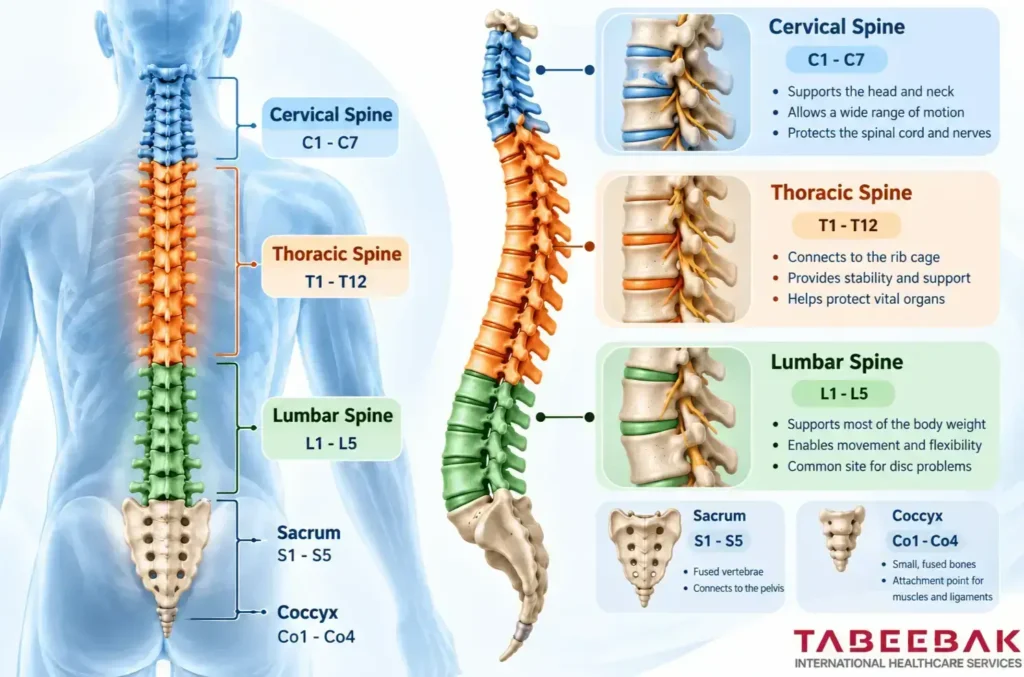
Cervical, Thoracic, and Lumbar Spine Surgery
Cervical Spine — Neck
Surgery may treat cervical disc herniation, cervical spinal stenosis, spinal cord compression, or certain tumors and fractures. This region requires particular care because it contains the spinal cord and lies close to important structures in the neck.
Thoracic Spine
Conditions requiring surgery in the thoracic spine are less common than those affecting the lumbar or cervical spine. They may include tumors, fractures, herniated discs, or stenosis affecting the spinal cord.
Lumbar Spine — Lower Back
A large proportion of spinal operations involve the lumbar region, treating herniated discs, spinal stenosis, spondylolisthesis, and certain forms of instability or deformity.
Is Spinal Fixation or Fusion Necessary?
Not every herniated disc or decompression procedure requires fixation or fusion.
Fixation may be considered when there is a problem affecting spinal stability, such as:
- Clear instability between vertebrae.
- Spondylolisthesis.
- A deformity requiring correction.
- An unstable fracture.
- Extensive bone removal that could compromise stability.
- Certain revision procedures following previous surgery.
The AANS notes that a limited proportion of patients with spinal stenosis require fusion when associated instability is present.
Who Is a Candidate for Spine Surgery?
Surgery is considered when there is a problem that can be corrected surgically and the expected benefits outweigh the potential risks.
Factors supporting the decision include:
- A clear diagnosis.
- Consistency between symptoms, examination findings, and imaging.
- Nerve compression, instability, deformity, or another surgically treatable problem.
- Failure to improve with conservative treatment when such treatment is appropriate.
- A specific goal that surgery can achieve.
- General health that permits anesthesia and surgery.
- Realistic expectations about what the operation can improve.
Candidacy is not determined by age or weight alone. The decision is individualized and considers the patient’s overall condition.
When Might Surgery Not Be the First Option?
Spine surgery may not be the first choice when:
- Pain is mechanical, with no clear problem that can be corrected surgically.
- Symptoms improve with medication or physical therapy.
- Imaging abnormalities do not match the symptoms.
- Medical risks remain unacceptable until other conditions are brought under control.
- There is no clear goal that surgery can achieve.
- The patient expects surgery to eliminate every type of back pain, regardless of its cause.
When appropriate, conservative treatment is not simply a way to delay surgery. It is the correct treatment for many conditions.
Risks of Spine Surgery
Potential complications vary according to the type and location of surgery, the number of spinal levels involved, and the patient’s health.
They may include:
- Infection.
- Bleeding.
- Nerve injury.
- Spinal cord injury in rare cases.
- Cerebrospinal fluid leakage.
- Blood clots.
- Anesthesia-related complications.
- Failure of the bones to fuse after certain fusion procedures.
- Less improvement in symptoms than expected.
- Persistent pain or numbness.
- Problems with implants or fixation hardware.
- The need for additional surgery.
Cleveland Clinic also notes that minimally invasive surgery carries risks. A smaller incision does not eliminate the possibility of bleeding, infection, nerve injury, or failure of fusion.
What Happens After Spine Surgery?
There is no single recovery plan for all spinal procedures, but recovery generally progresses through several stages.
| Stage | What Usually Happens |
|---|---|
| Waking after surgery | Neurological function, pain, and vital signs are monitored |
| Initial movement | Begins according to the team’s instructions and the type of operation |
| Walking | Gradually encouraged once the doctor gives approval |
| Hospital discharge | Depends on clinical stability and the type of surgery |
| Physical therapy | Starts when appropriate |
| Return to activity | Gradual, depending on the procedure and healing |
| Follow-up | Clinical examination and imaging when needed |
Some limited procedures may involve a shorter recovery, while fixation, deformity correction, or tumor surgery may require longer follow-up and rehabilitation.
Rehabilitation and Physical Therapy After Surgery
Physical therapy after spine surgery helps restore movement, strength, and the ability to perform everyday activities when recommended by the treating team.
A rehabilitation plan may include:
- Learning safe movement techniques.
- Gradually increasing walking.
- Improving core muscle strength.
- Improving flexibility and mobility.
- Returning to work gradually.
- Adjusting activity to the type of surgery performed.
No single program is suitable for everyone. Rehabilitation after a partial discectomy differs from rehabilitation after multilevel fusion or scoliosis correction.
How Long Should You Stay in Turkey After Spine Surgery?
The length of your stay in Turkey depends on the specific procedure, rather than the general term “spine surgery.”
The surgeon considers:
- The type of procedure.
- The region involved: cervical, thoracic, or lumbar.
- The number of spinal levels treated.
- Whether fixation or fusion was performed.
- Neurological function after surgery.
- The patient’s ability to walk.
- The condition of the wound.
- The need for follow-up imaging.
- The physical therapy plan.
- The patient’s fitness to travel.
It is therefore advisable not to finalize your return date until the follow-up plan is clear and your surgeon has approved travel.
Cost of Spine Surgery in Turkey
There is no single price for spine surgery in Turkey. Costs vary considerably between a limited disc procedure, multilevel fixation, tumor surgery, and deformity correction.
| Factor | How It Affects the Cost |
|---|---|
| Diagnosis | Determines the intervention required |
| Spinal region | Cervical, thoracic, or lumbar |
| Type of operation | Disc surgery, decompression, fixation, tumor removal, or deformity correction |
| Number of levels | Determines the extent of the procedure |
| Implants | Screws, rods, artificial discs, or cages when needed |
| Surgeon | Specialization and experience |
| Hospital | Operating facilities, technology, and services |
| Anesthesia | Depends on the duration and complexity of surgery |
| Hospital stay | Varies according to recovery |
| Rehabilitation | May be included in the treatment plan |
For a more accurate initial assessment, send your MRI images, radiology report, and any previous surgical reports to Tabeebak Healthcare so your case can be referred to an appropriate spine surgeon.
Spine Surgeons in Turkey
When choosing a doctor, focus on their practical experience with your specific condition, rather than the title “neurosurgeon” alone.
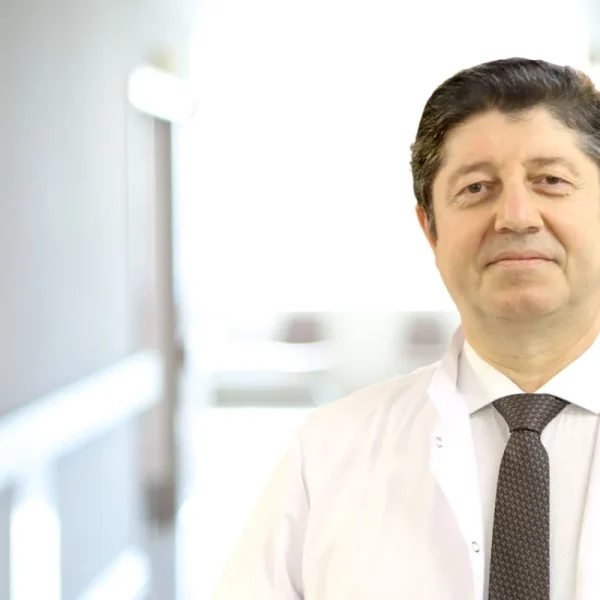
Prof. Dr. Mehmet Reşit Önen
Current hospital: Medical Park Maltepe
Specialty: Neurosurgery
Spine-related areas of expertise: Cervical, thoracic, and lumbar spine surgery; cervical and lumbar disc herniation; spondylolisthesis; scoliosis surgery; spinal cord tumors; and endoscopic lumbar discectomy.
Prof. Dr. Serdar Kahraman
Current hospital: Liv Hospital Ulus
Specialty: Neurosurgery / Spine Surgery
Spine-related areas of expertise: Complex spine surgery, neurosurgery and neuro-oncology, trauma, and advanced surgical techniques.
Prof. Dr. Halil Can
Current hospital: Liv Hospital Topkapı
Specialty: Neurosurgery
Spine-related areas of expertise: Cervical, thoracic, and lumbar disc surgery; lateral disc herniation; spinal fractures; and selected endoscopic approaches.
Prof. Dr. Ali Erdem Yıldırım
Current hospital: Liv Hospital Ankara
Specialty: Neurosurgery
Spine-related areas of expertise: Lumbar and cervical disc herniation, spinal stenosis, spondylolisthesis, and spinal cord tumors.
Prof. Dr. Mete Karatay
Current hospital: Liv Hospital Vadistanbul
Specialty: Neurosurgery / Spine Surgery / Pediatric Neurosurgery
Spine-related areas of expertise: Cervical and lumbar disc herniation, spondylolisthesis, spinal stenosis, spinal fracture fixation, vertebroplasty/kyphoplasty, and kyphosis surgery.
Prof. Dr. Gökhan Akdemir
Current hospital: İstinye University Medical Park Gaziosmanpaşa
Specialty: Neurosurgery
Relevant experience: Extensive experience in neurosurgery, with training and work in microsurgery and skull base surgery. He is currently listed as a member of the hospital’s neurosurgery team.
Doctors’ hospital affiliations and schedules may change. Confirm the doctor and hospital when requesting an appointment.
Hospitals Offering Spine Surgery in Turkey
Hospitals providing advanced neurosurgical and spinal services in Turkey include:
- Medical Park Maltepe — Istanbul
Prof. Dr. Mehmet Reşit Önen practices here. His expertise includes spine surgery, disc surgery, scoliosis, and spondylolisthesis. - Liv Hospital Ulus — Istanbul
Prof. Dr. Serdar Kahraman practices here. His official profile lists complex spine surgery among his areas of interest. - Liv Hospital Topkapı — Istanbul
Prof. Dr. Halil Can practices here. His areas of expertise include disc and fracture surgery involving the cervical, thoracic, and lumbar spine. - Liv Hospital Vadistanbul — Istanbul
Prof. Dr. Mete Karatay practices neurosurgery and spine surgery here, with documented experience in disc conditions, spinal stenosis, fixation, and fractures. - Liv Hospital Ankara — Ankara
Prof. Dr. Ali Erdem Yıldırım practices here. His current areas of interest include spine surgery, disc conditions, spinal stenosis, and spondylolisthesis. - İstinye University Medical Park Gaziosmanpaşa — Istanbul
Prof. Dr. Gökhan Akdemir practices neurosurgery here.
How Do You Choose a Spine Surgeon?
A neurosurgical or orthopedic qualification alone is not enough. What matters most is how closely the surgeon’s experience matches your condition.
Ask about:
- Their experience with your specific diagnosis.
- The number of spinal levels they typically treat.
- Their experience with both open and minimally invasive surgery.
- Their experience with revision surgery if you have had a previous operation.
- When they use fixation and when they avoid it.
- How they manage complications.
- The hospital where the operation will take place.
- The anesthesia and care team.
- The postoperative mobility and physical therapy program.
- Follow-up after you return home.
Avoid choosing a surgeon solely because they use robotic or endoscopic technology. Technology is a tool, not a substitute for experience and an accurate diagnosis.
Which Records Are Needed for an Assessment Before Travel?
For a useful preliminary opinion, send:
- A recent MRI scan, including the original images whenever possible.
- The MRI report.
- A CT scan, if one has been performed.
- X-rays, particularly standing or dynamic views if available.
- Your current doctor’s report.
- Reports from any previous spinal operations.
- A description of the pain and how long it has been present.
- Where the pain radiates.
- Details of any weakness, numbness, or foot drop.
- Any problems with walking or balance.
- Your current medications.
- Any chronic medical conditions.
- Your age and weight.
- Reports of previous physical therapy or injections, if available.
In many cases, the medical images themselves are more useful to the surgeon than the written report alone.
How Does Treatment with Tabeebak Healthcare Begin?
The first step is a review of the diagnosis, rather than booking an operation.
The patient sends their MRI images and available reports to Tabeebak Healthcare. The case is then referred to a doctor whose expertise is relevant to the condition. After reviewing the images, the doctor can determine whether there is enough information to offer a preliminary opinion or whether additional imaging or tests are needed.
If surgery is being considered, the expected procedure, hospital, approximate length of stay, cost, and steps required before travel are explained.
A pre-travel opinion does not replace an in-person examination. The treatment plan may change after the examination or a review of additional imaging.
Medical Credibility and Review
This content was prepared to provide practical medical information about spine surgery in Turkey. It focuses on distinguishing conditions that can be managed without surgery from those requiring surgical assessment, while explaining the types of procedures, surgical techniques, diagnostic process, and stages of recovery.
Content reviewed by: Prof. Dr. Mehmet Reşit Önen
Specialty: Neurosurgery – Spine Surgery
Hospital: Medical Park Maltepe
Relevant areas of expertise: Spine surgery, cervical and lumbar disc surgery, spondylolisthesis, scoliosis, spinal cord tumors, and endoscopic lumbar discectomy.Last updated: October 2026.
Medical Sources and References
This content was prepared using specialist medical sources, including:
- American Association of Neurological Surgeons (AANS) — Information on herniated discs, spinal stenosis, back pain, cauda equina syndrome, and spinal cord injuries.
- American Academy of Orthopaedic Surgeons / AANS — Training of neurosurgeons and orthopedic spine surgeons.
- Mayo Clinic — Diagnosis and treatment of herniated discs and spinal stenosis.
- Cleveland Clinic — Minimally invasive surgery, discectomy, laminectomy, spinal fusion, and rehabilitation.
- Official Medical Park and Liv Hospital sources — Used to verify doctors’ current hospital affiliations and areas of expertise.
This page is intended for health education. It does not provide an individual diagnosis or replace an assessment by a spine surgeon.